Wandering Angel: Looking back on La Ciénega de San Vicente
Francis McCray Gallery, Western New Mexico University, Silver City, 2025
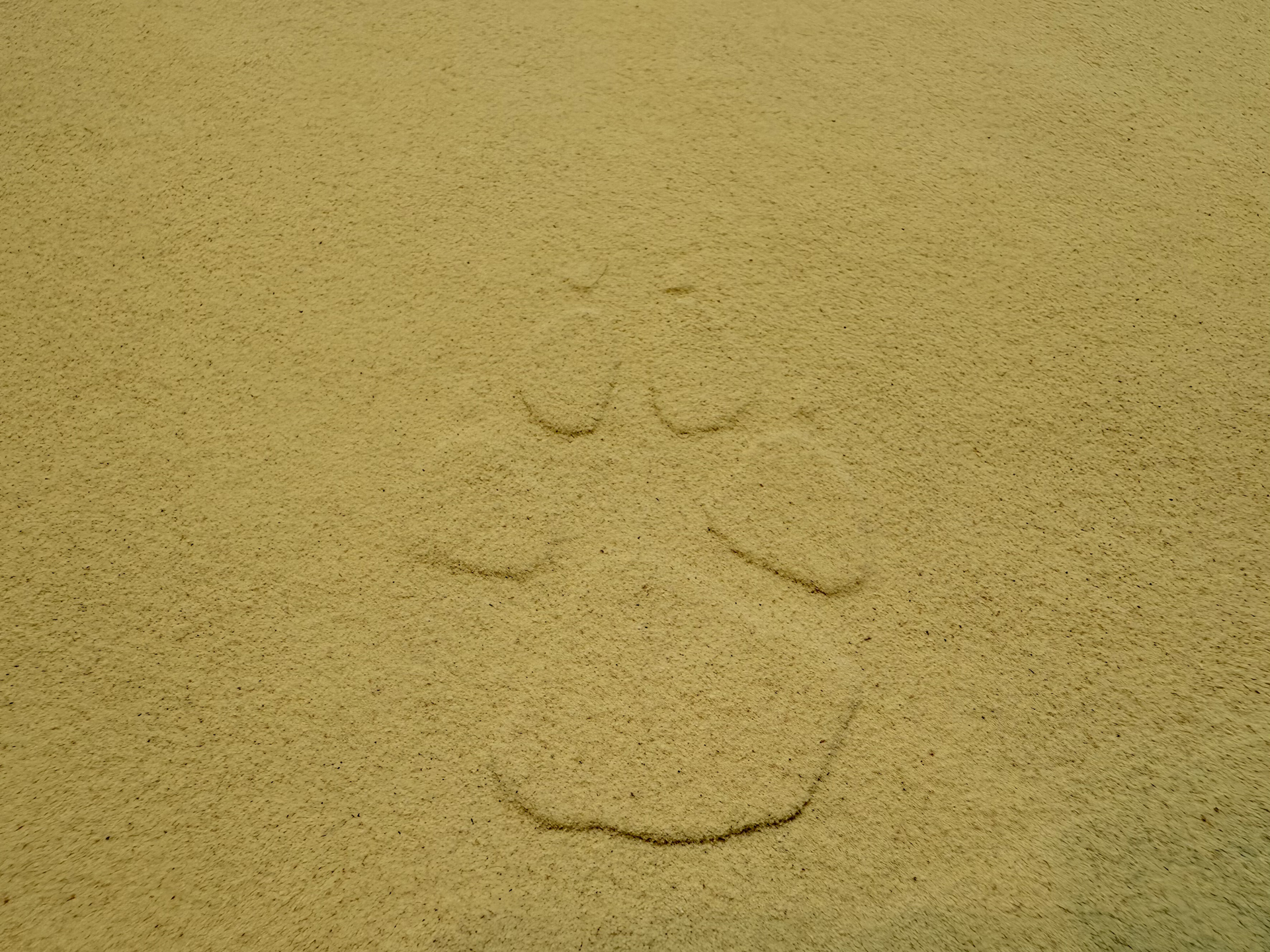
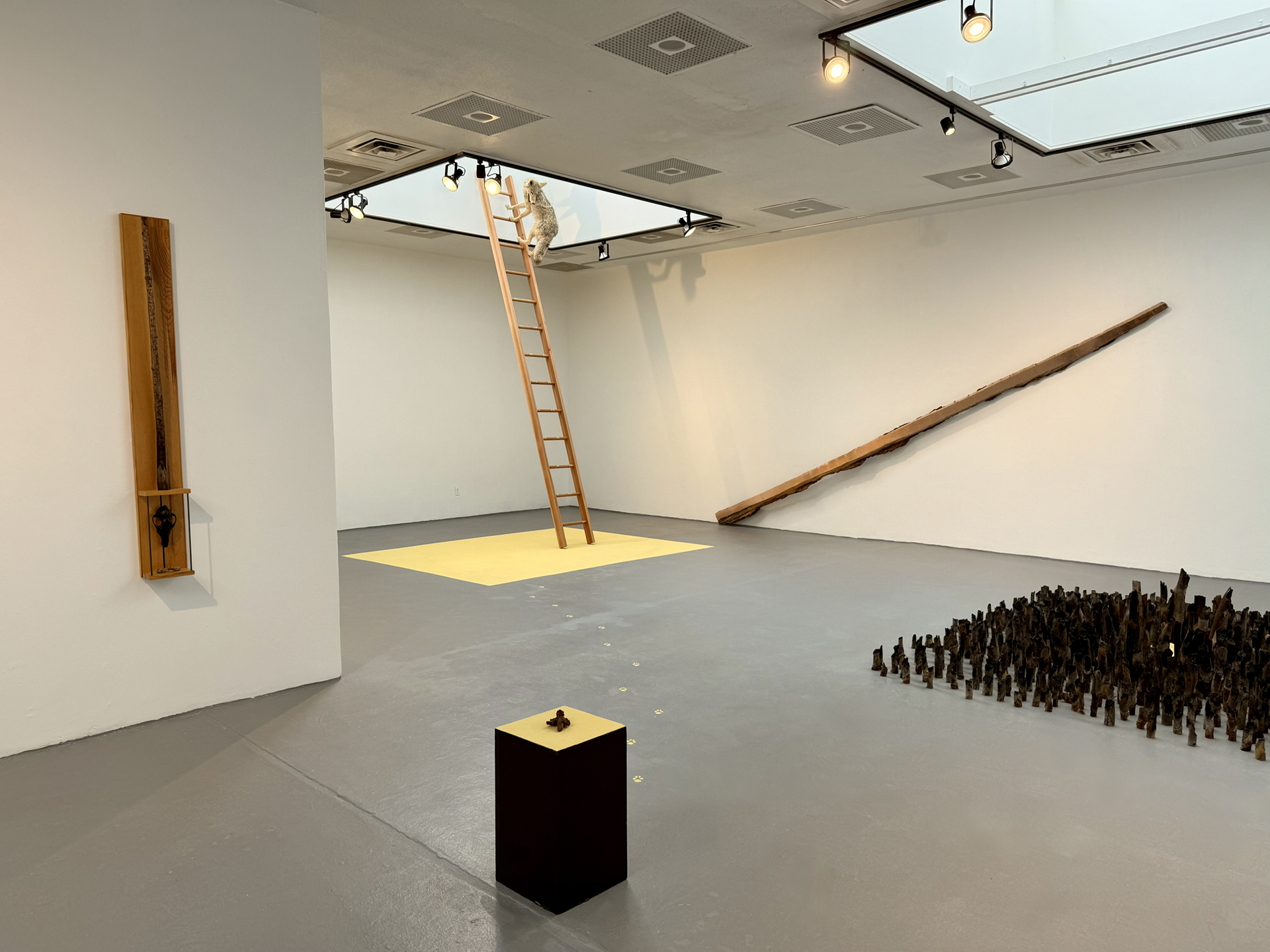
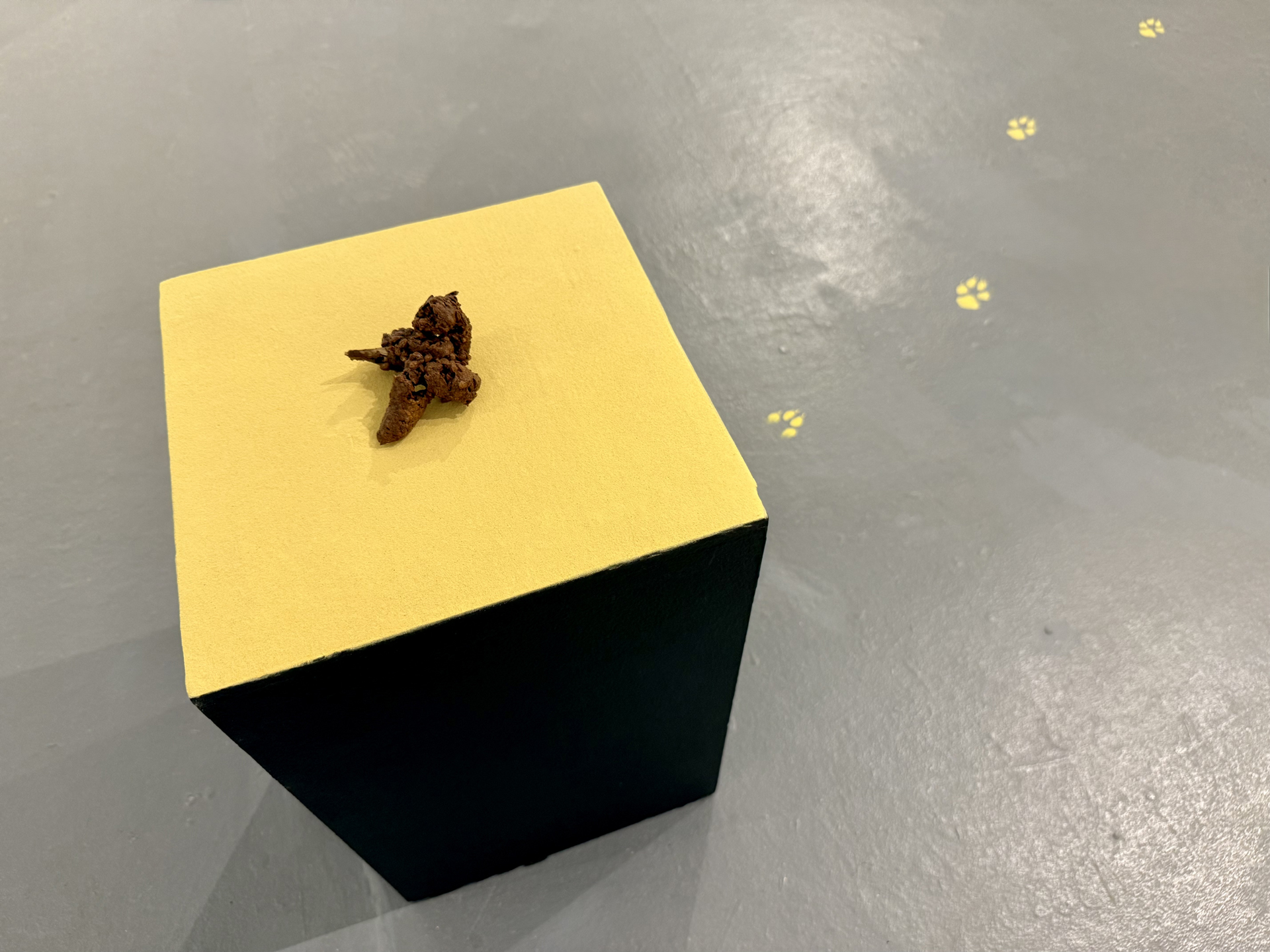
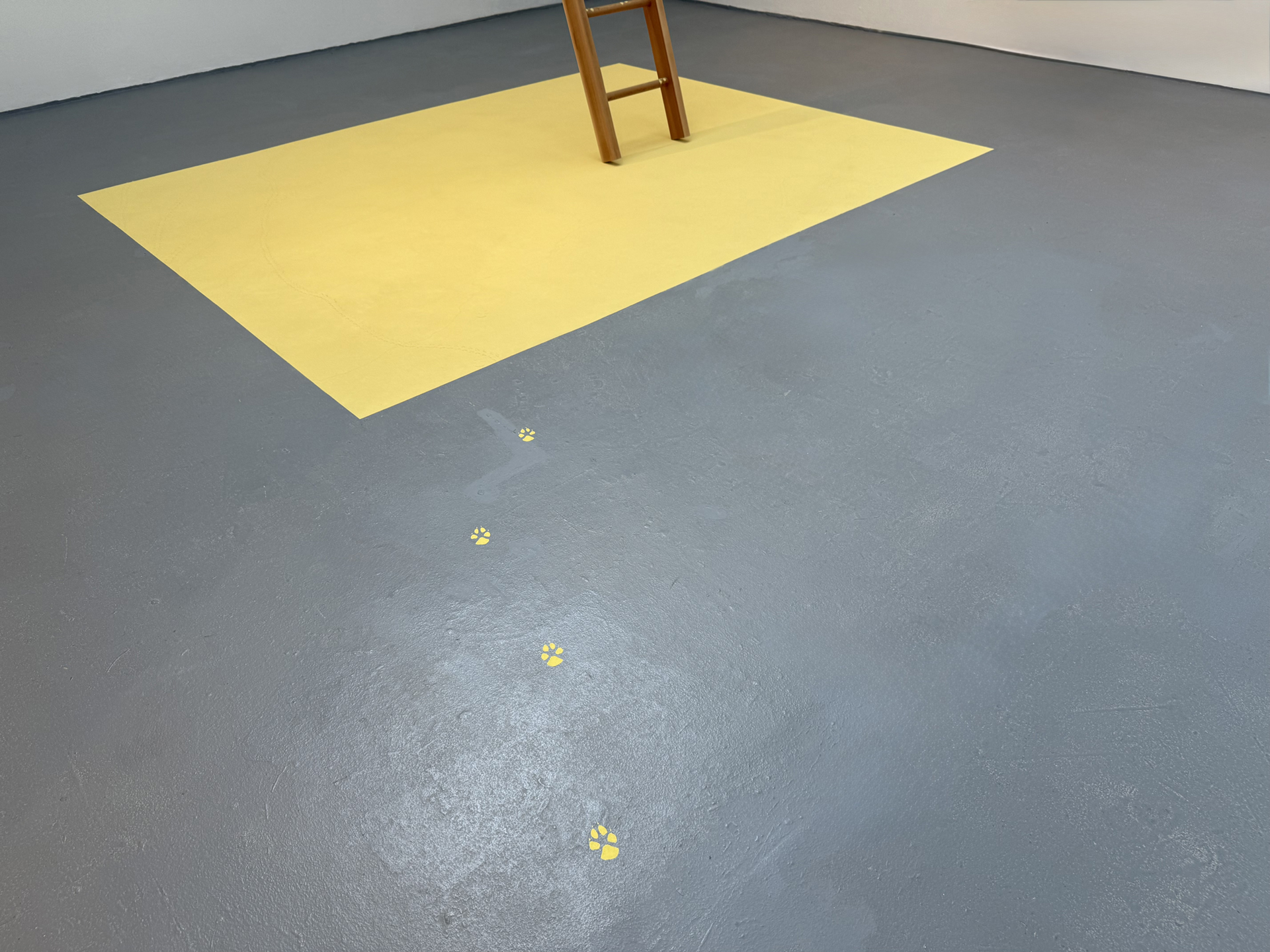
Materials: Wooden ladder, prepared coyote specimen and scat, pine pollen, paint, pedestal
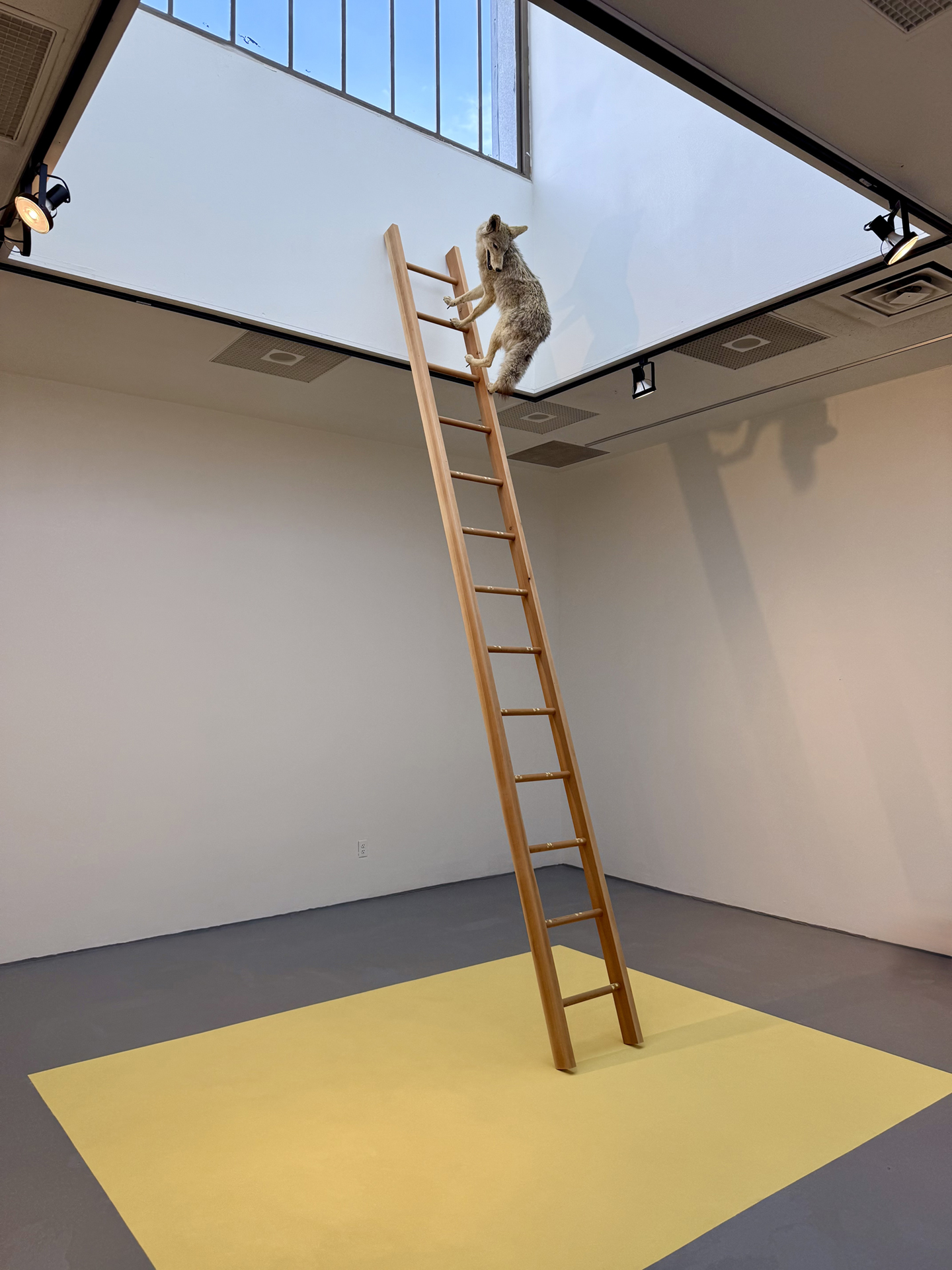
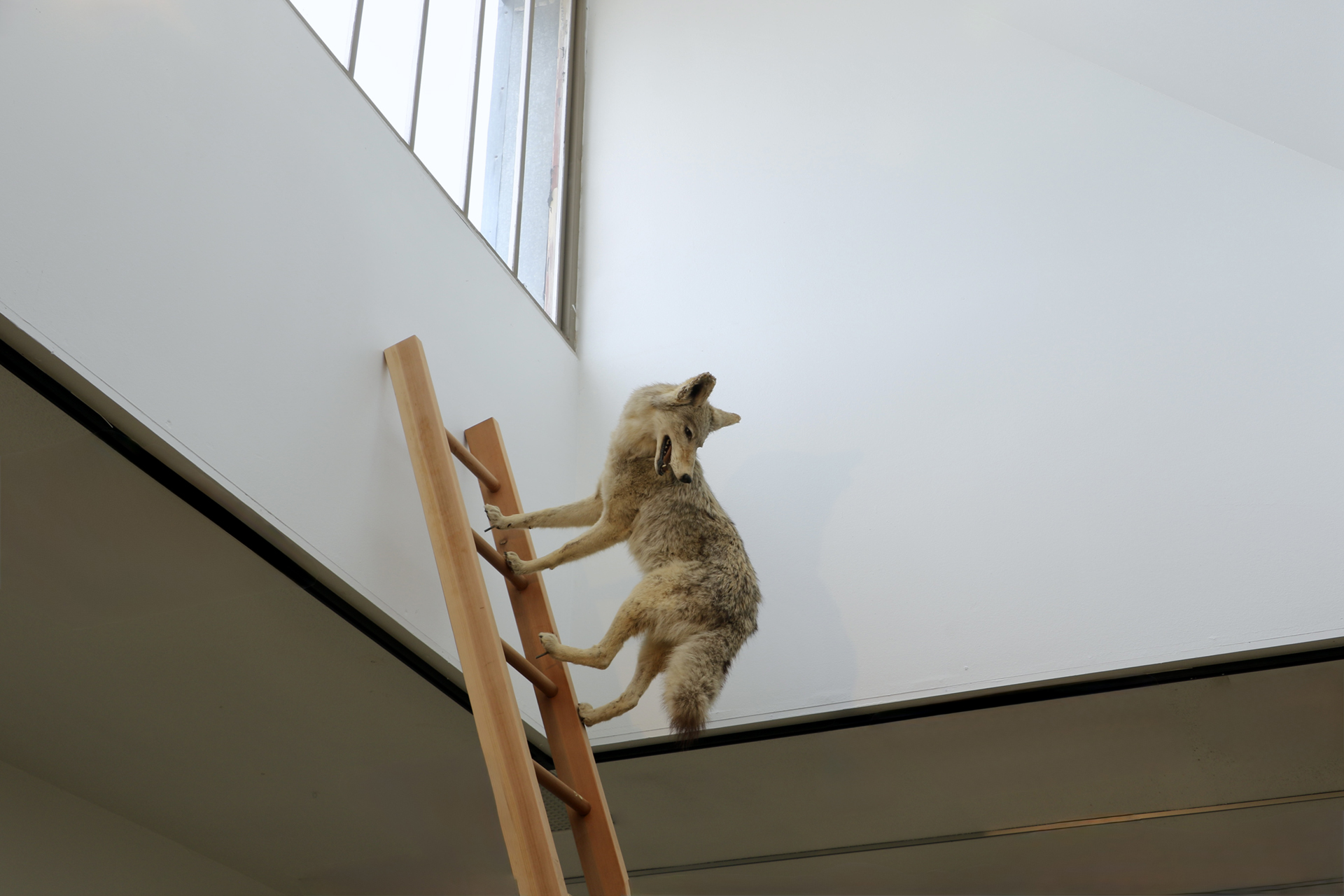
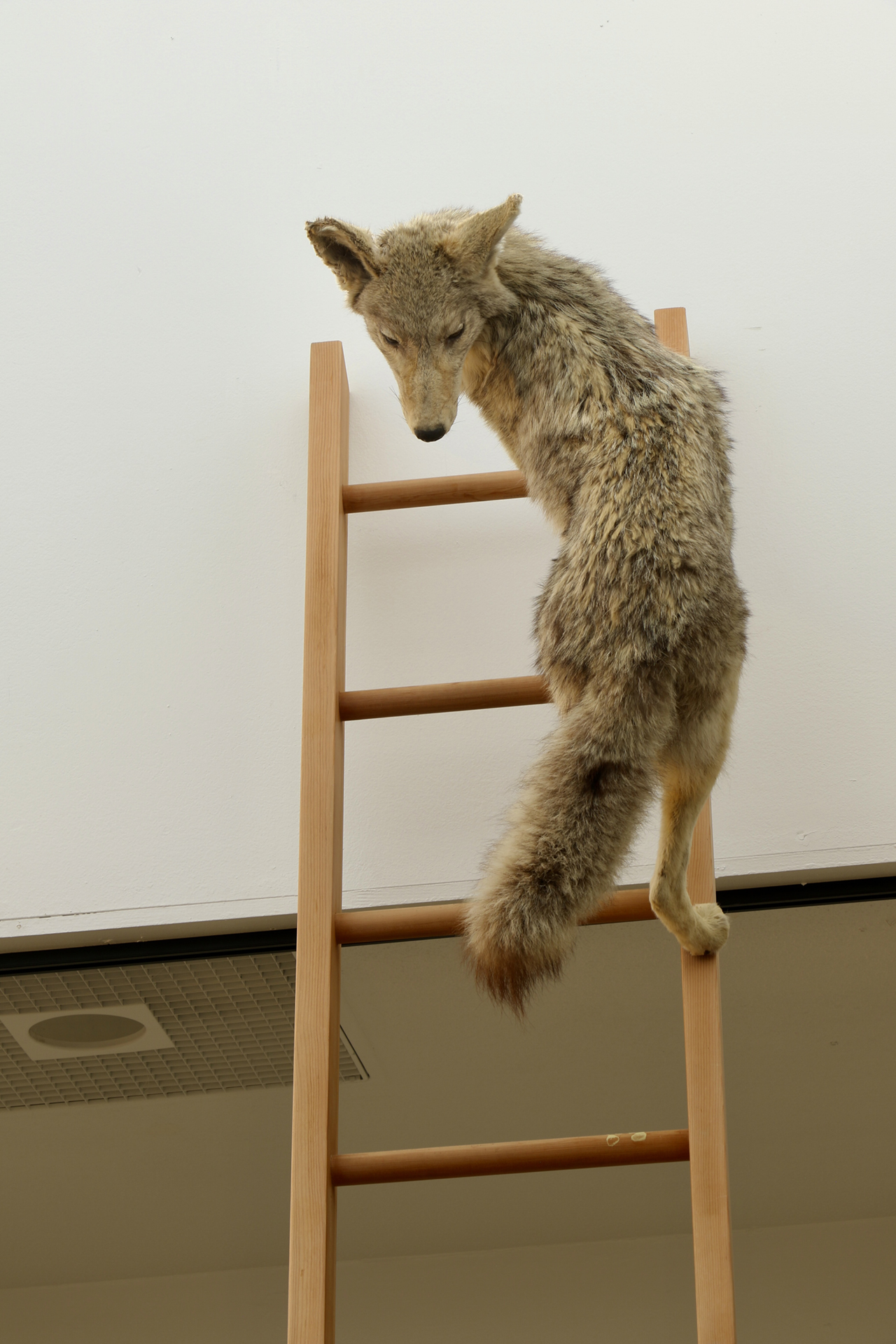
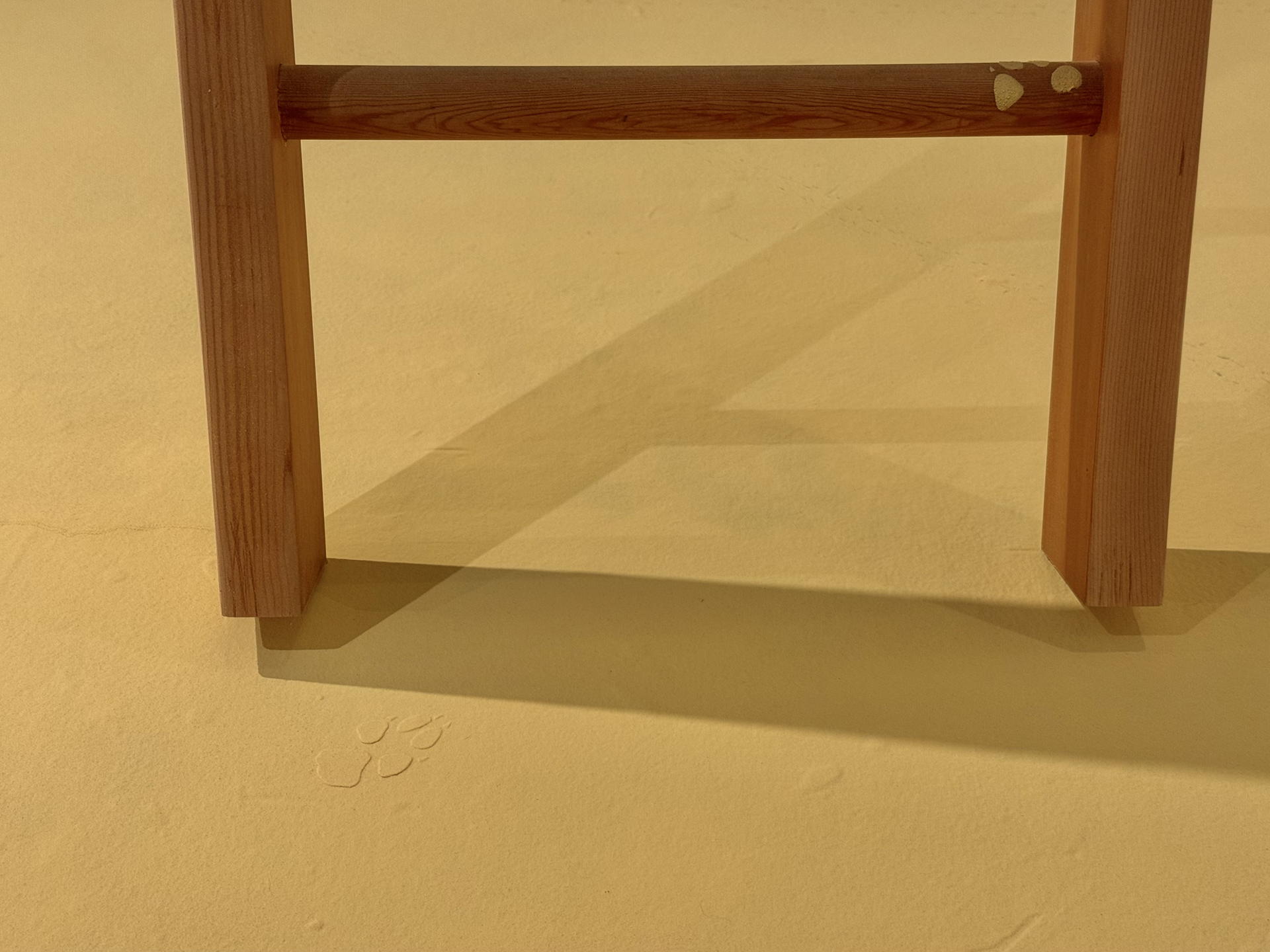
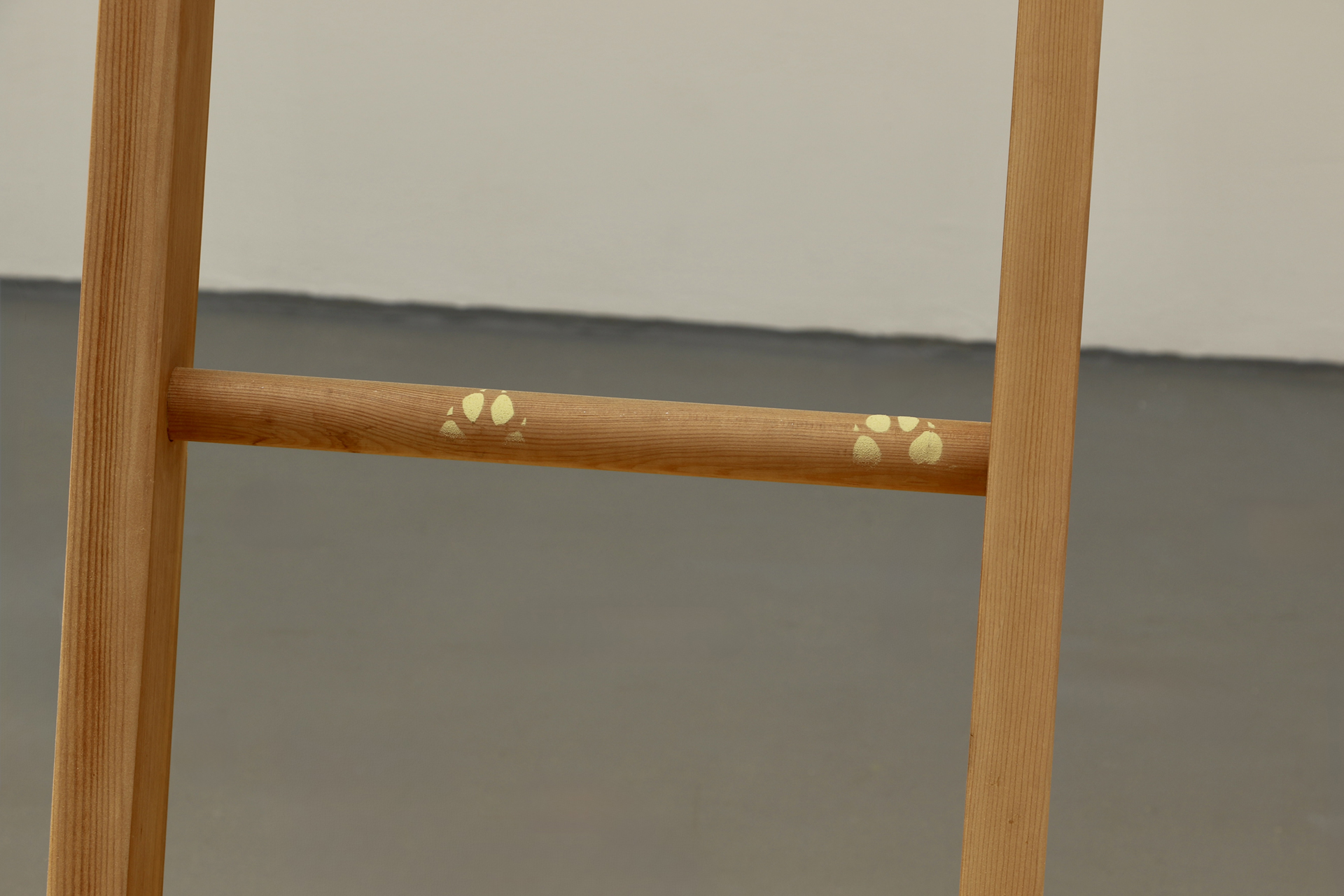
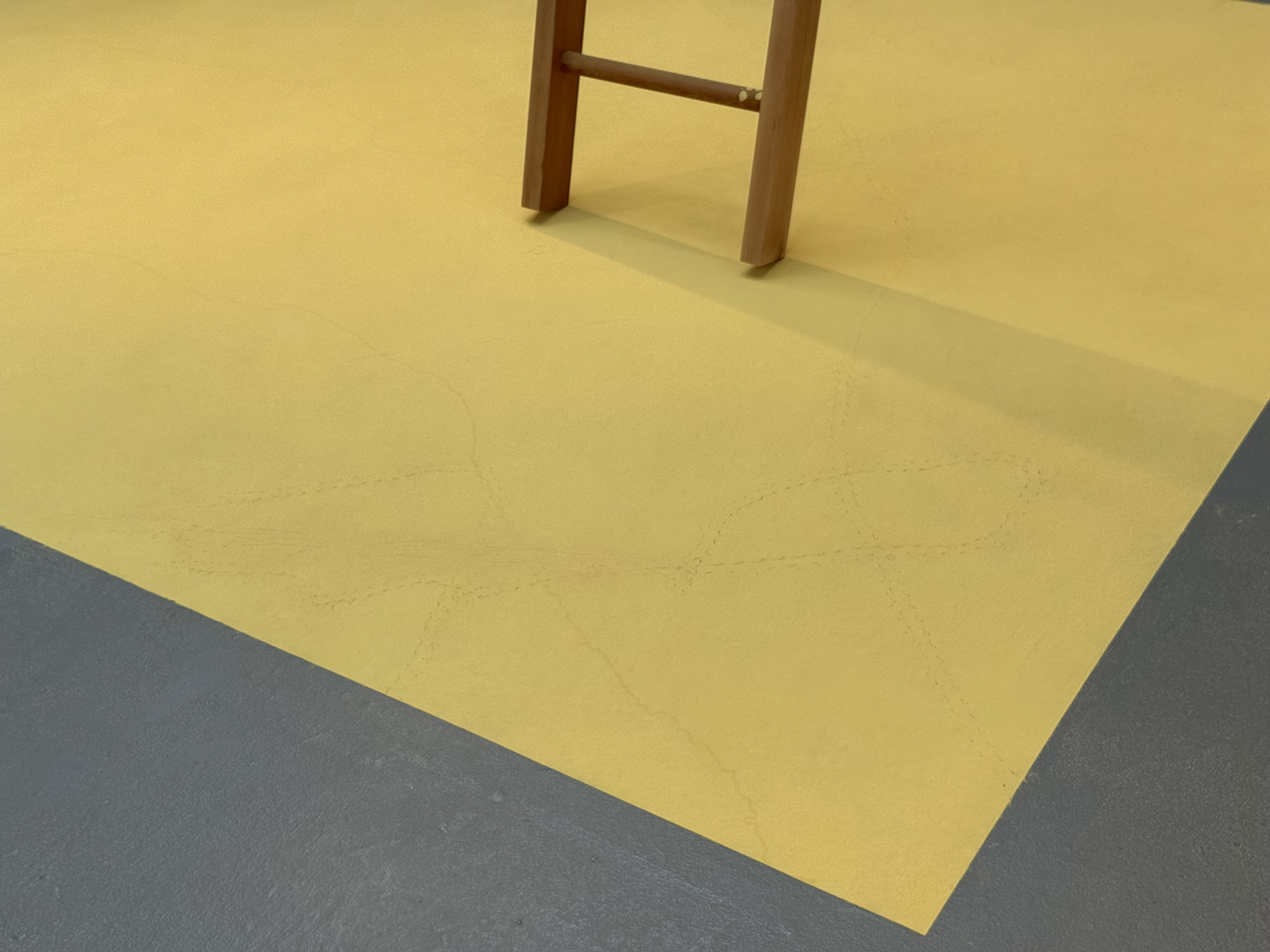
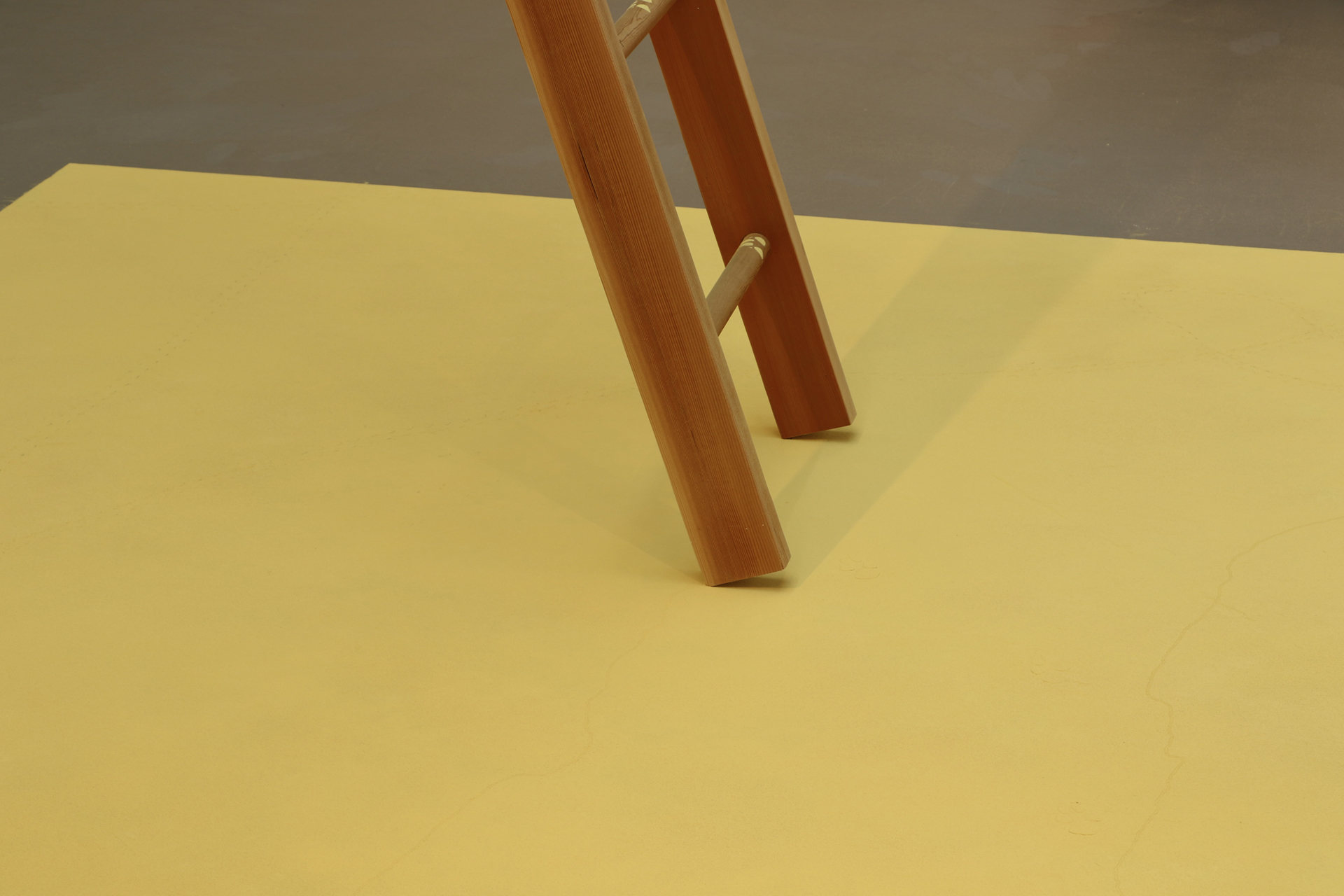
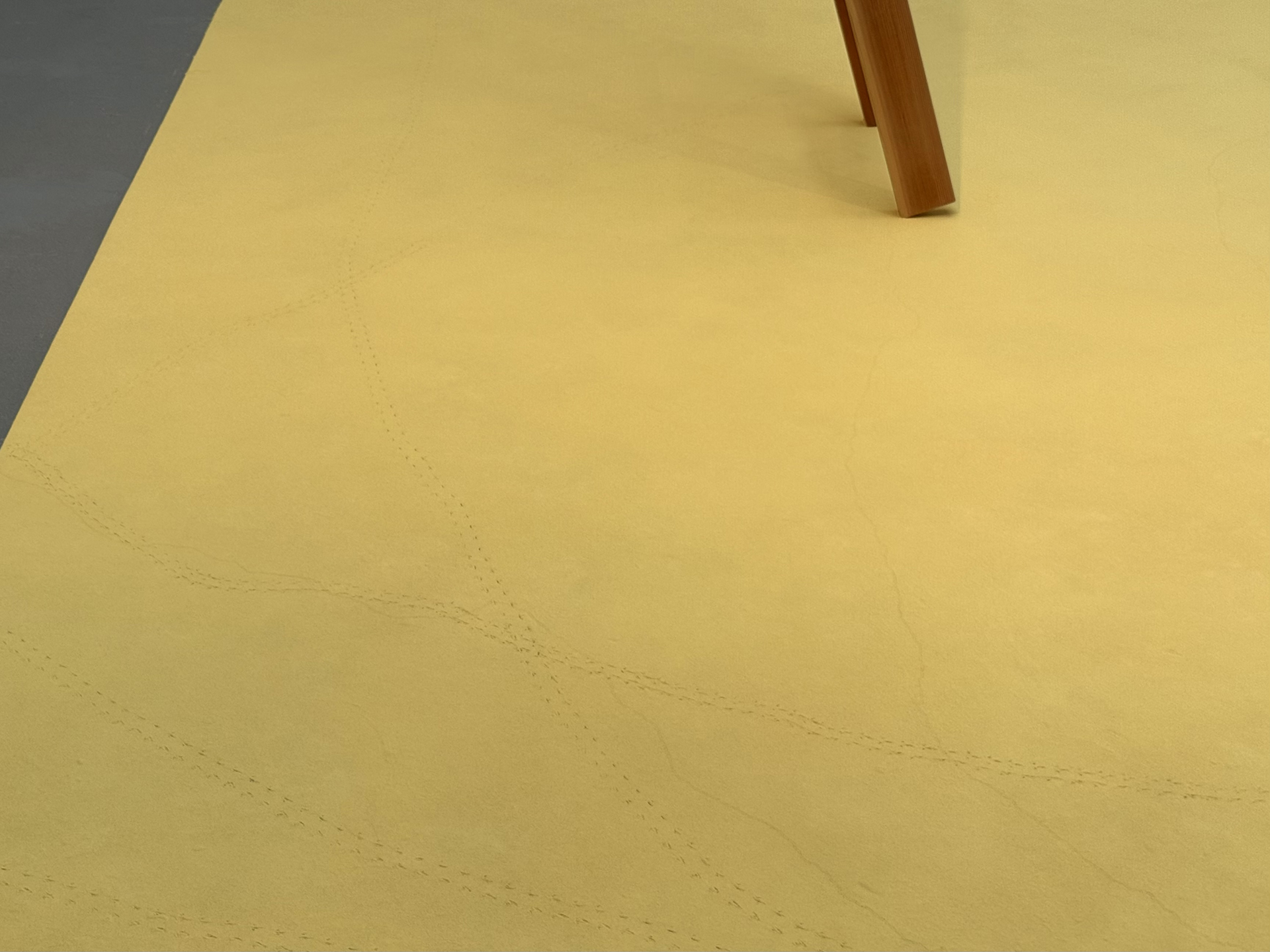
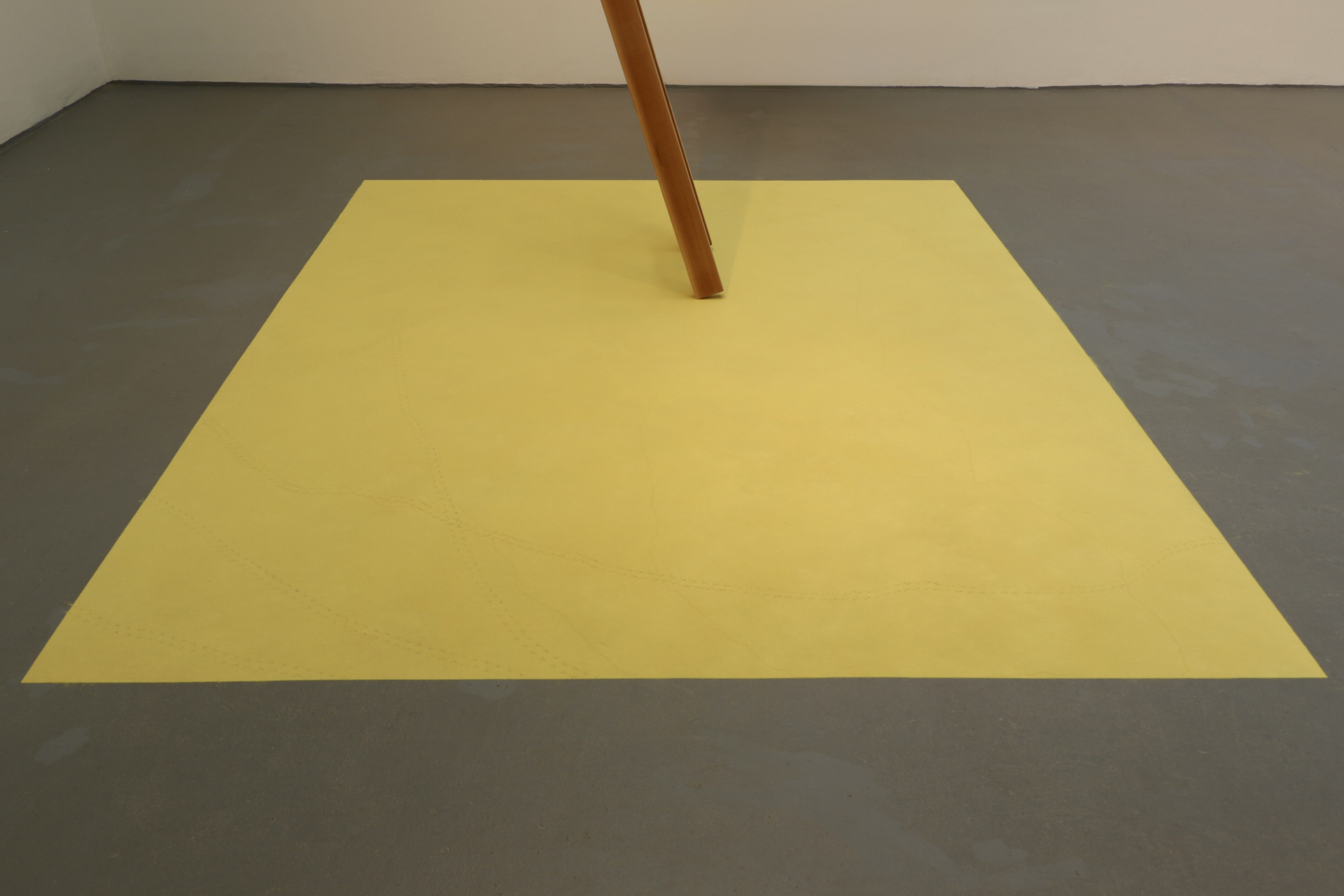
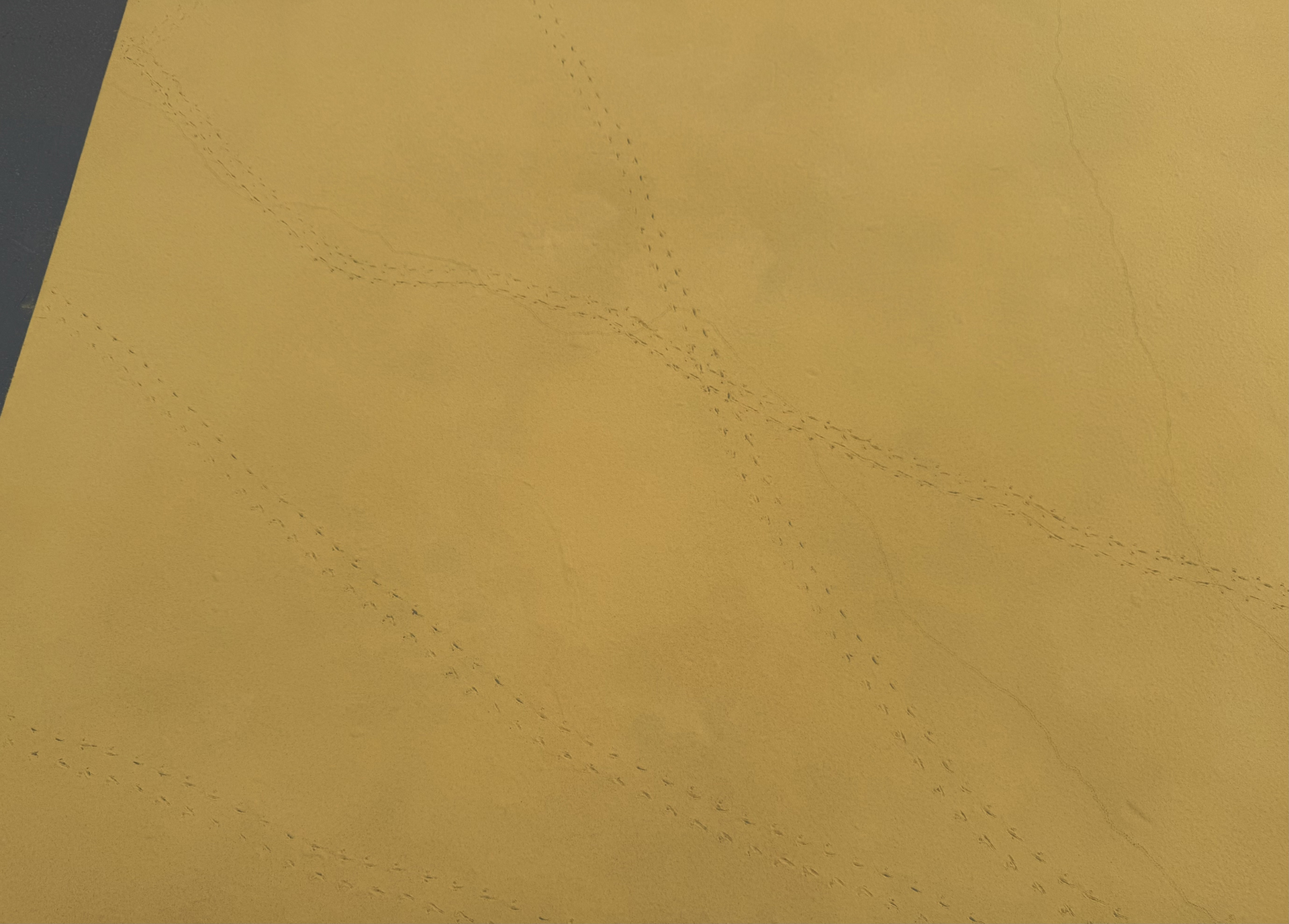
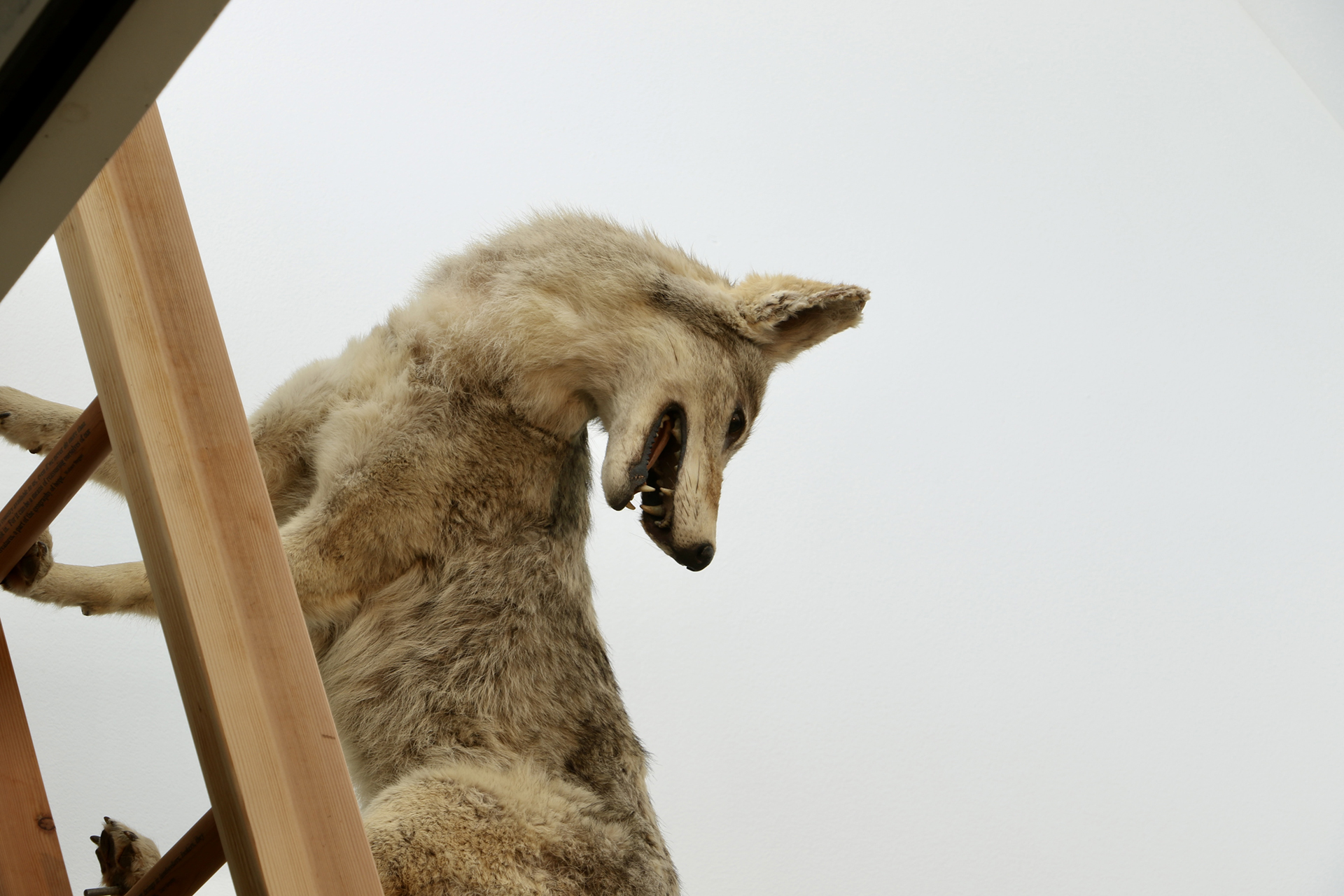
Driving east out of Flagstaff, my hometown, to Silver City, I follow U.S. Route 180. The Route becomes Interstate 40, and I take the exit at Holbrook and then head southeast to Springerville. It was here that Aldo Leopold began his career with the U.S. Forest Service on the Apache National Forest. His life, his writings and the evolution of his ecological ethic have always intrigued me. In particular, I have always wondered what Leopold’s most memorable legacy – e.g., to “think like a mountain” – means to me.
For over thirty years, my work as an artist has been to “collaborate with a place” as I prepare for exhibitions and installations all over the United States. But for this show I became more interested in the landscapes outside my car window as I traversed U.S. Route 180 through the landscapes where Leopold once lived and worked. Driving south out of Springerville, I head into the Apache-Sitgreaves National Forest, where the largest fire in Arizona history, the Wallow (2011), occurred, and pass by Escudilla Mountain, which was severely impacted by that fire. In 1936, on this hump of a mountain, the last grizzly in Arizona was killed. I pass through Alpine, where the Mexican wolf reintroduction project is centered. As I drive, I remember the story and photographs my son recorded in May about their recovery for Arizona Public Radio, and I think about the wolves Leopold killed and his experience of watching that “fierce green fire” die inside a wolf’s eyes after having shot it with his beloved Winchester .30-30.
Route 180 then winds its way into New Mexico, twisting and turning southward through the Gila National Forest of ponderosa-piñon-juniper. The Gila Wilderness Area stands as a bulwark to the east. The panoramic Aldo Leopold Vista gives travelers a respite of this rugged wilderness area. In 1921, Leopold proposed that 500,000 acres be designated as a wilderness area – that is, to be “preserved in its natural state” with no roads. It was a bold, unique, and unparalleled proposition. On June 3, 1924, the Forest Service administration accepted Leopold’s proposal, and it became the first federally recognized Wilderness in the country and would serve as a template for the 1964 Wilderness Act forty years later.
Thinking Like a Mountain is my rumination on the life of Aldo Leopold as it intersects with my art, which has focused on land health, land ethics and justice for over thirty years. My work aptly reflects two of Leopold’s most important themes: “the relation of people to each other, and the relation of people to land.” I believe that to think like a mountain is a creative process akin to collaborating with a place. Driving through the landscape of the Mogollon Highlands along U.S. Route 180 helped me focus and develop the four place-based installations in this exhibition. The drive, or the route, became my studio, and the landscape out my car window, where Leopold once lived and worked, the place.