Figure Drawings
A selection of figure drawings I have done over the years. Most of them are executed on BFK Rives Heavyweight paper with a variety of mediums and are approximately 30 x 44”.
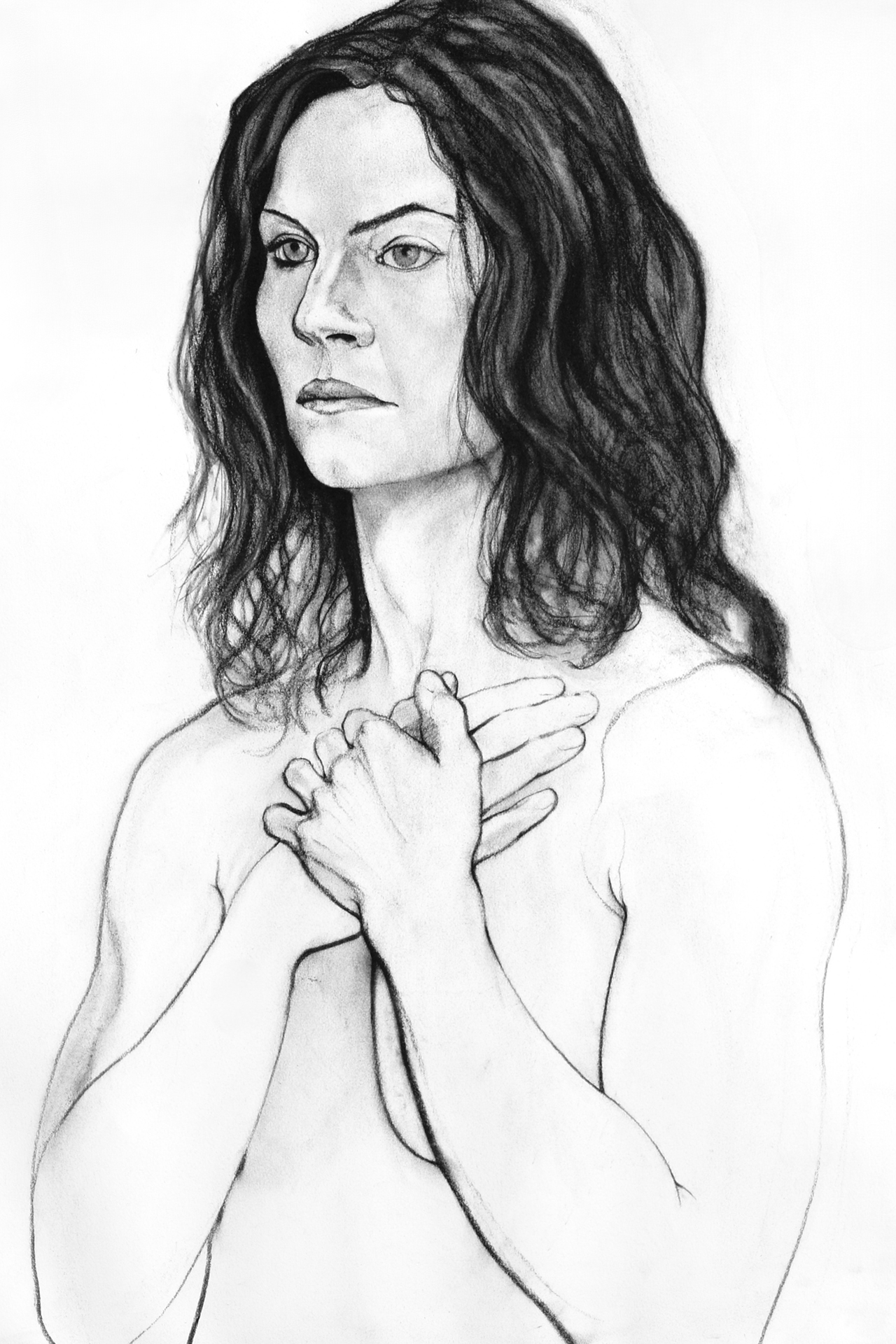
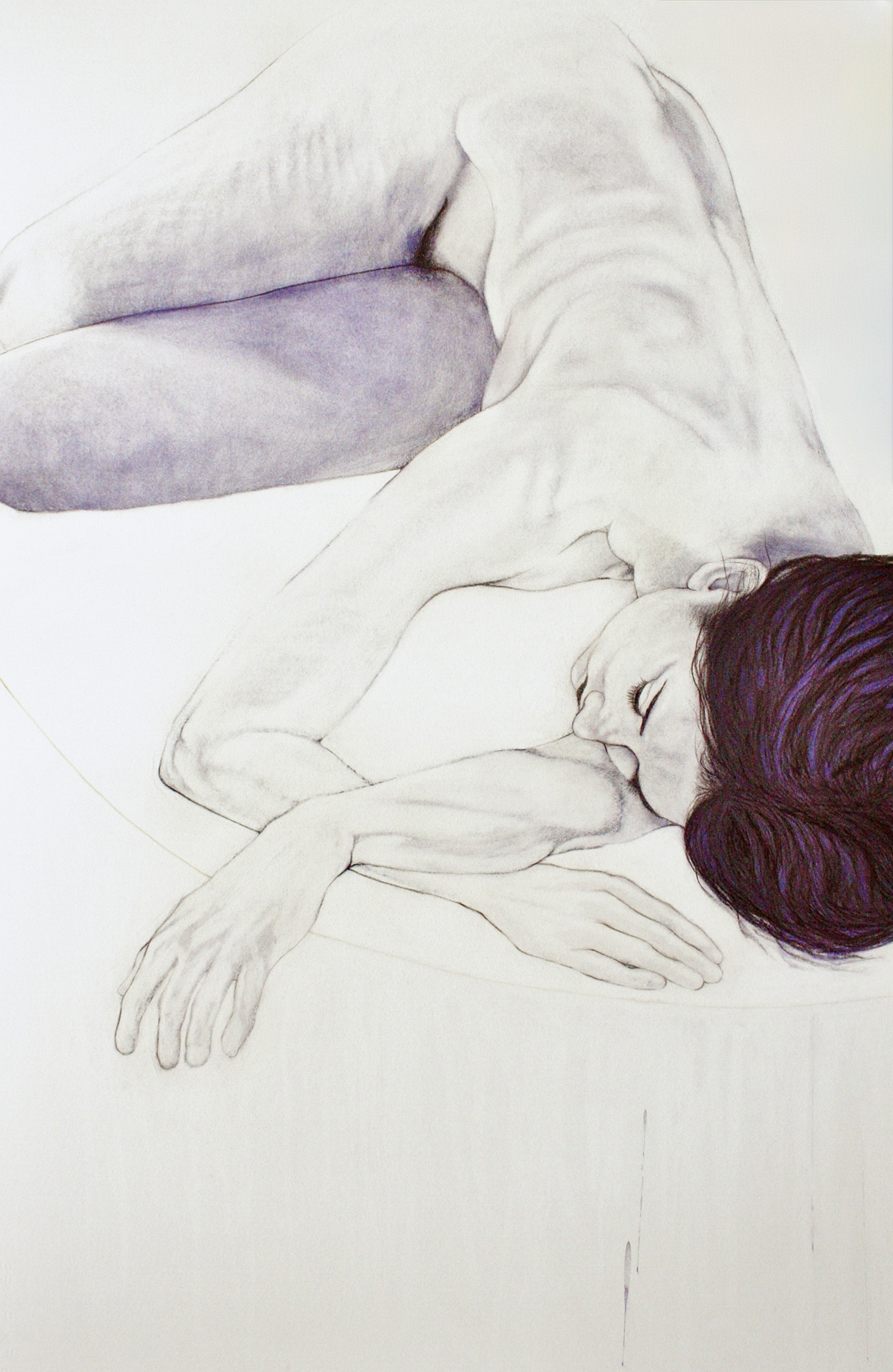
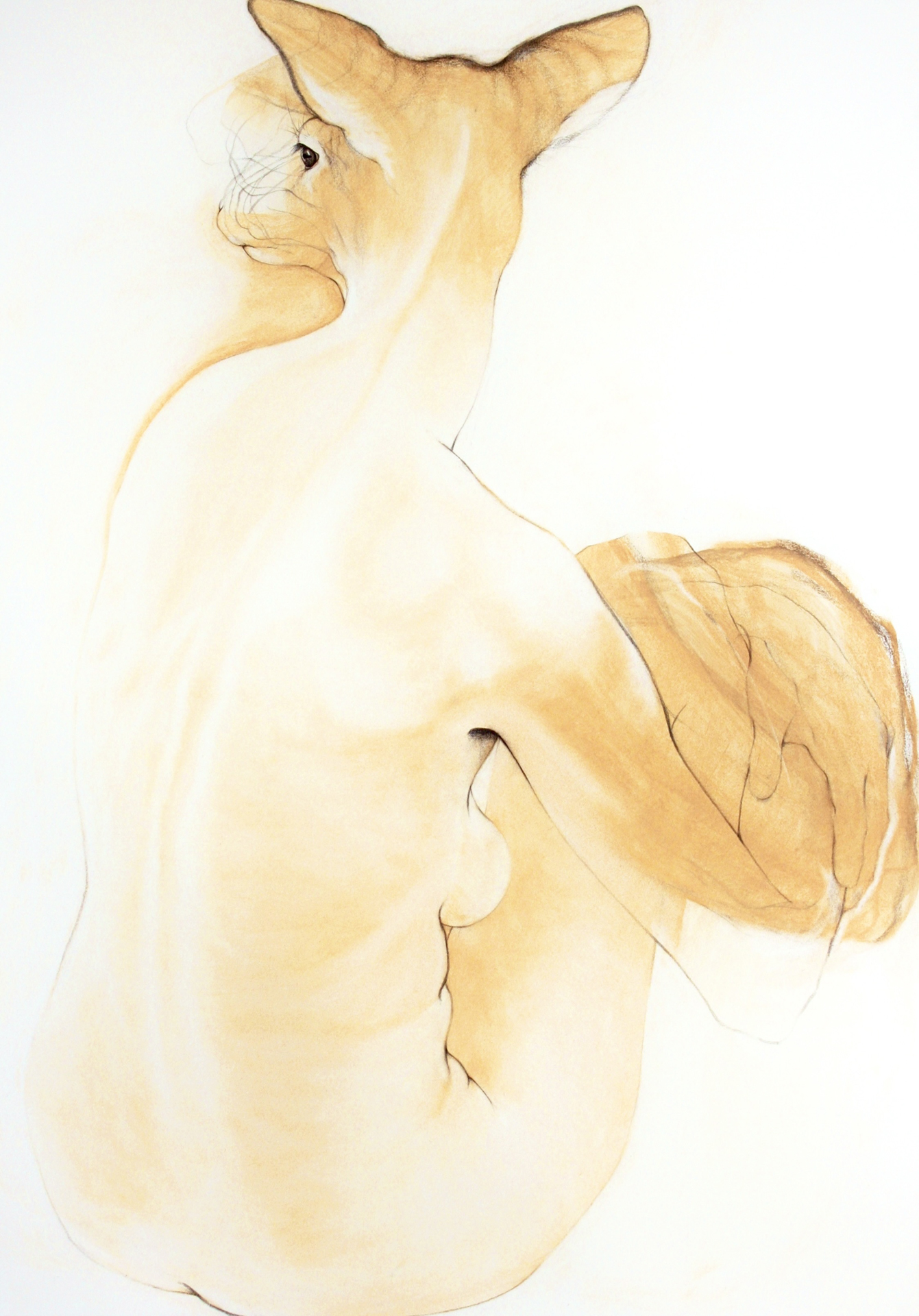
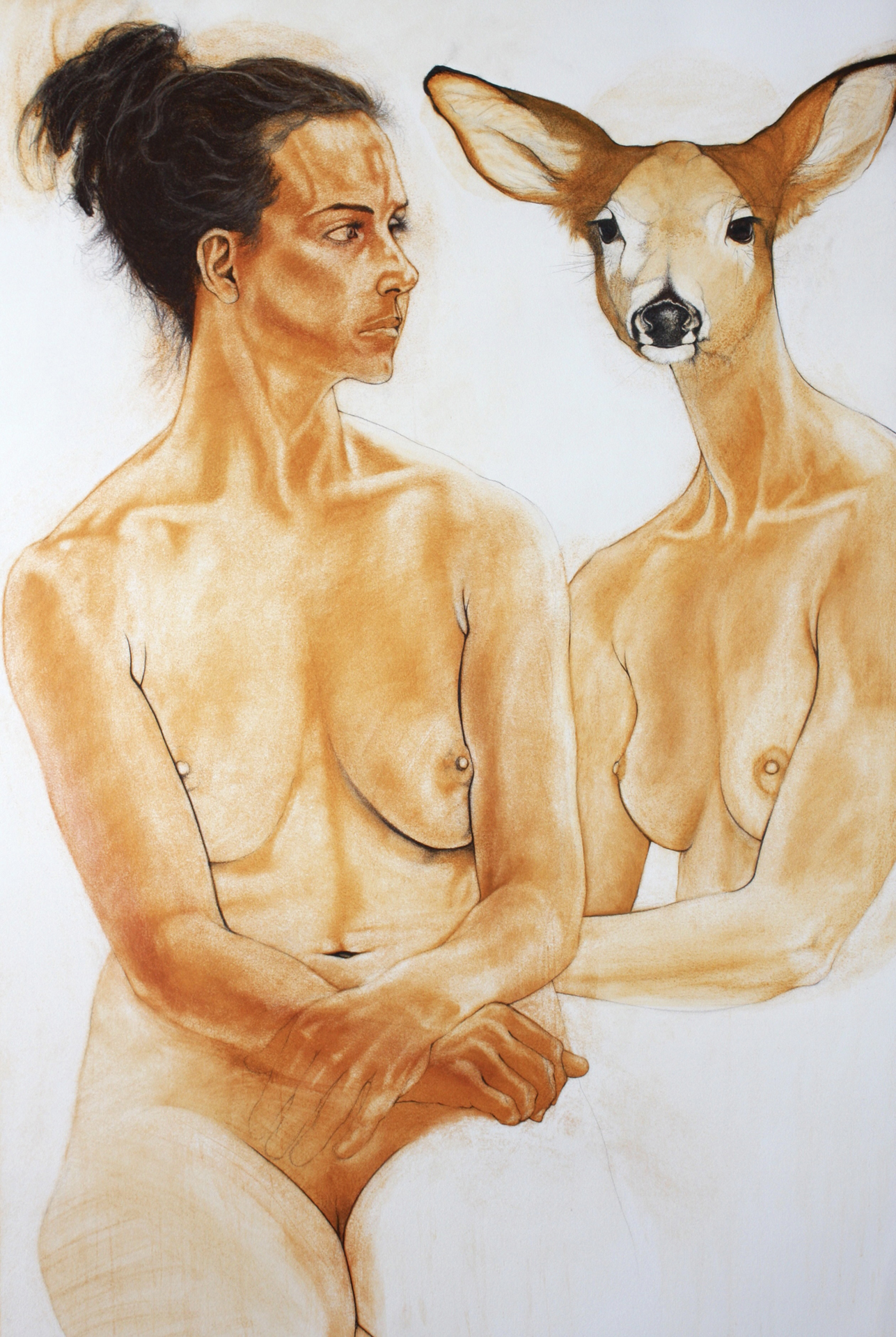
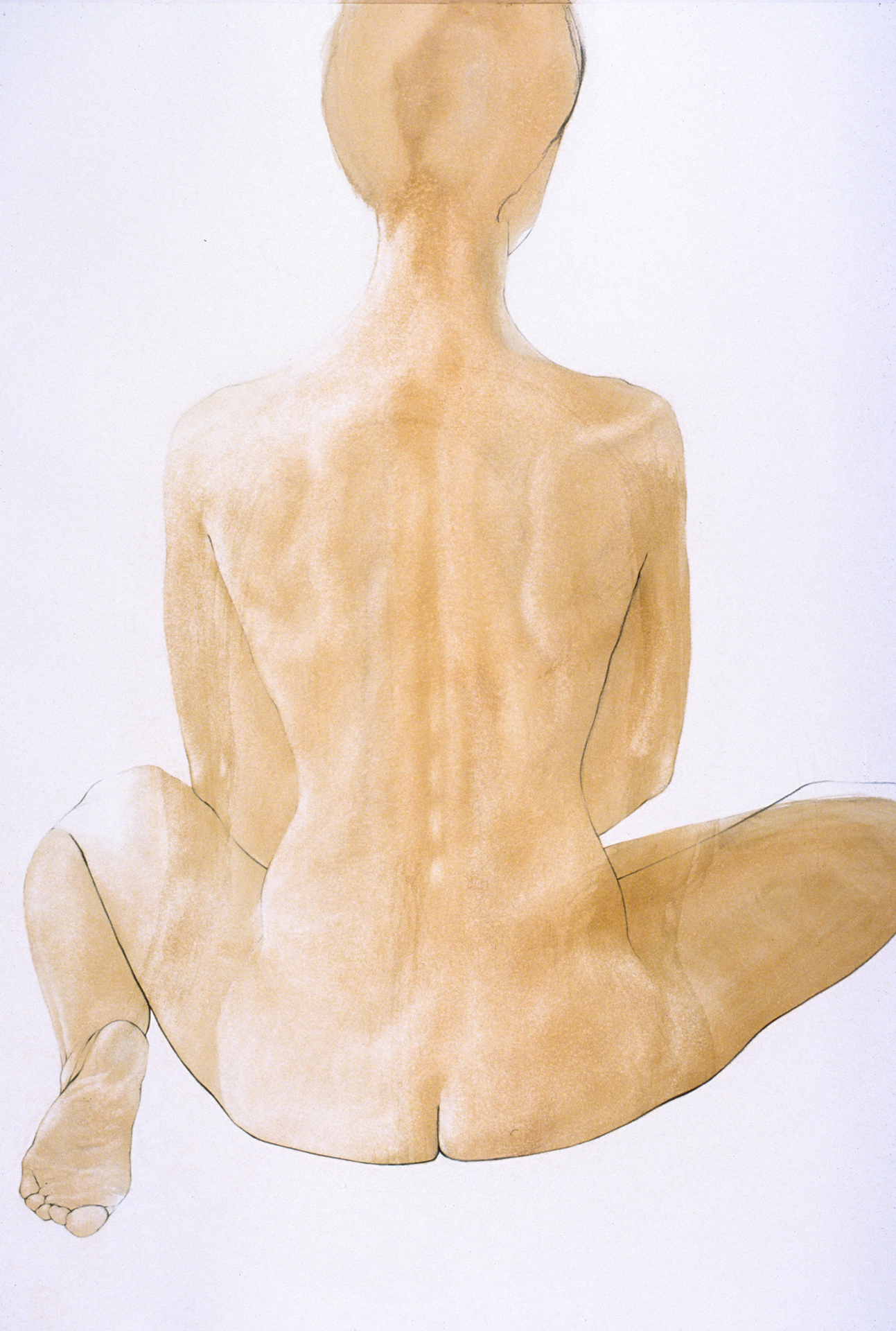
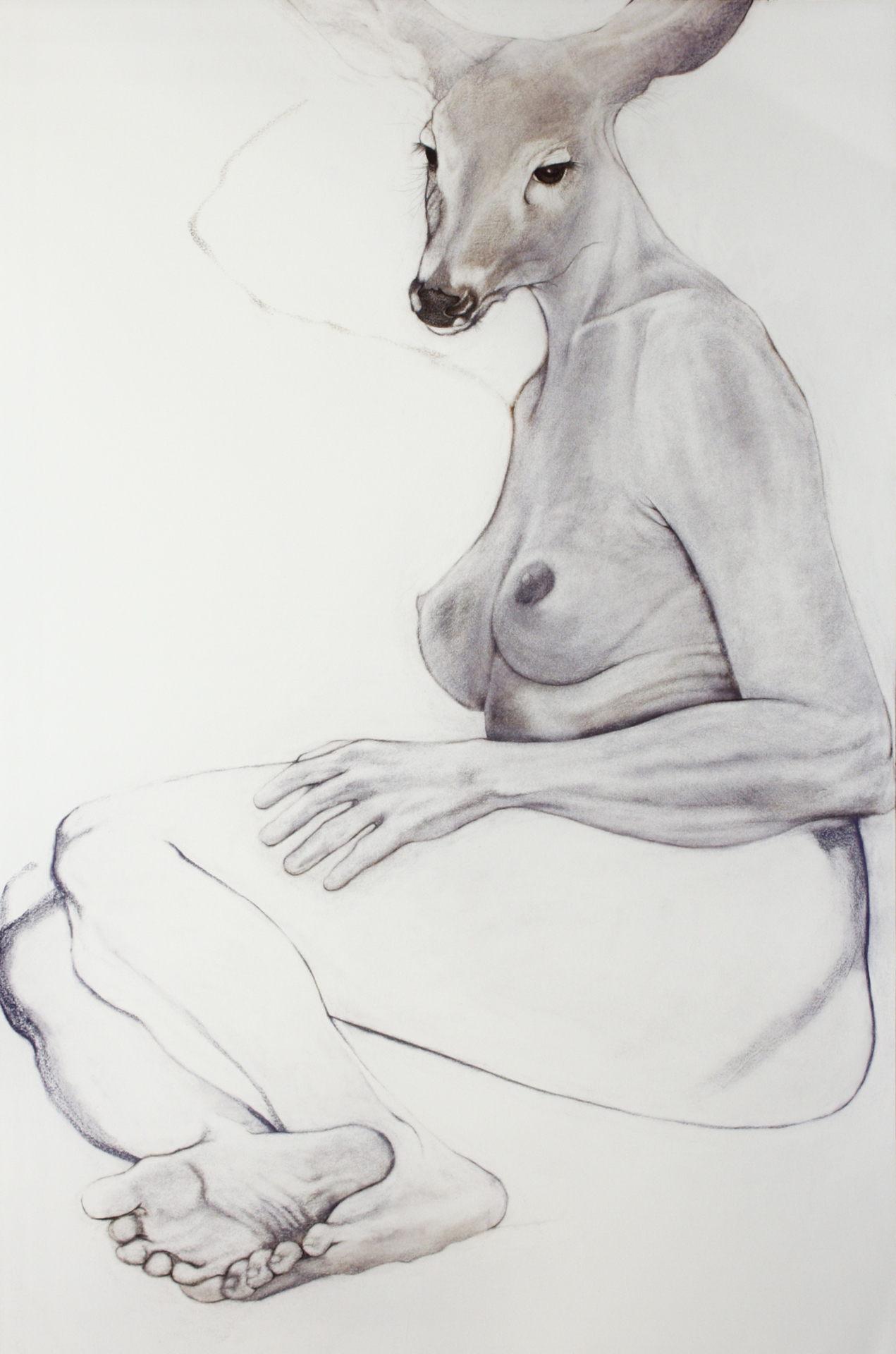
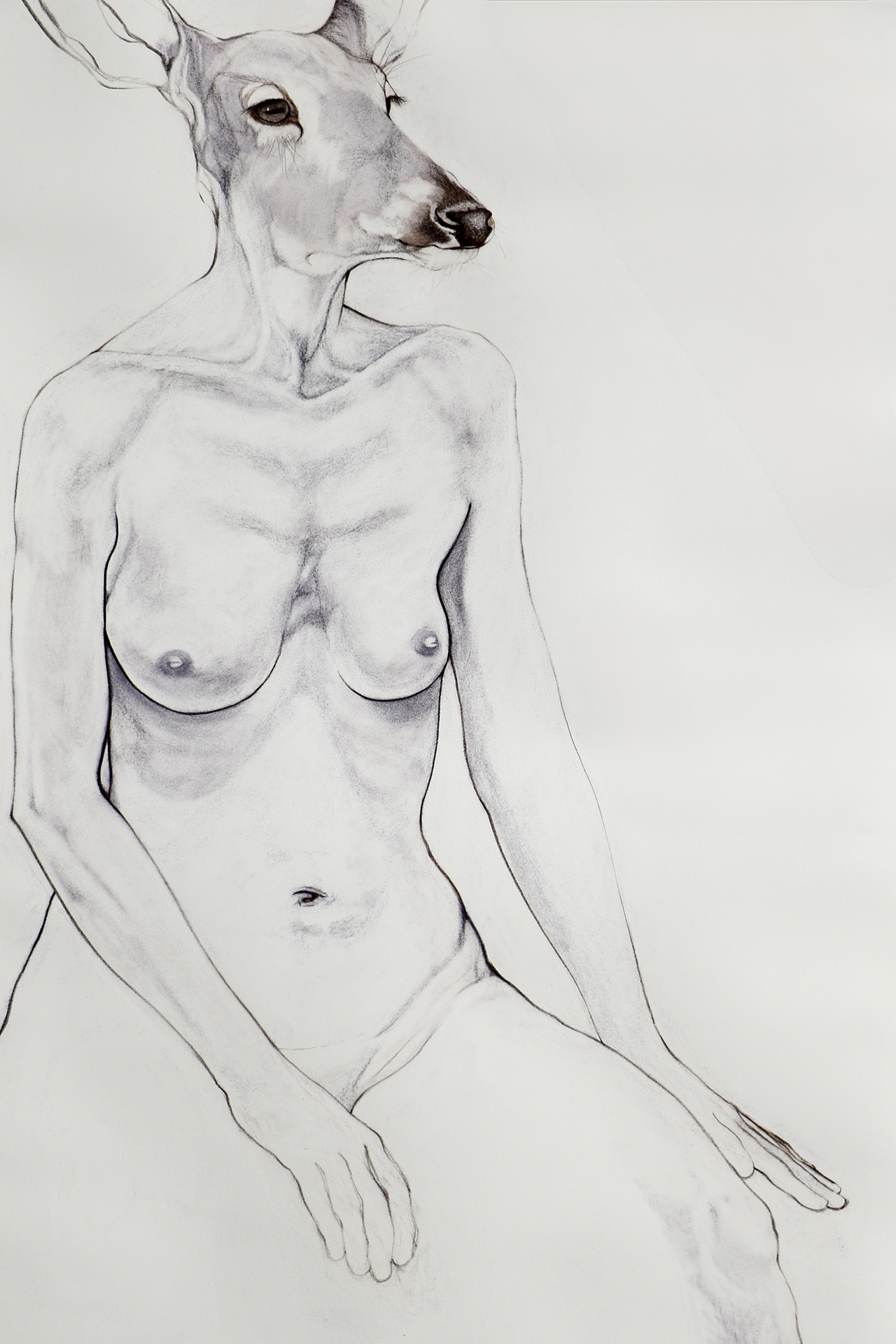
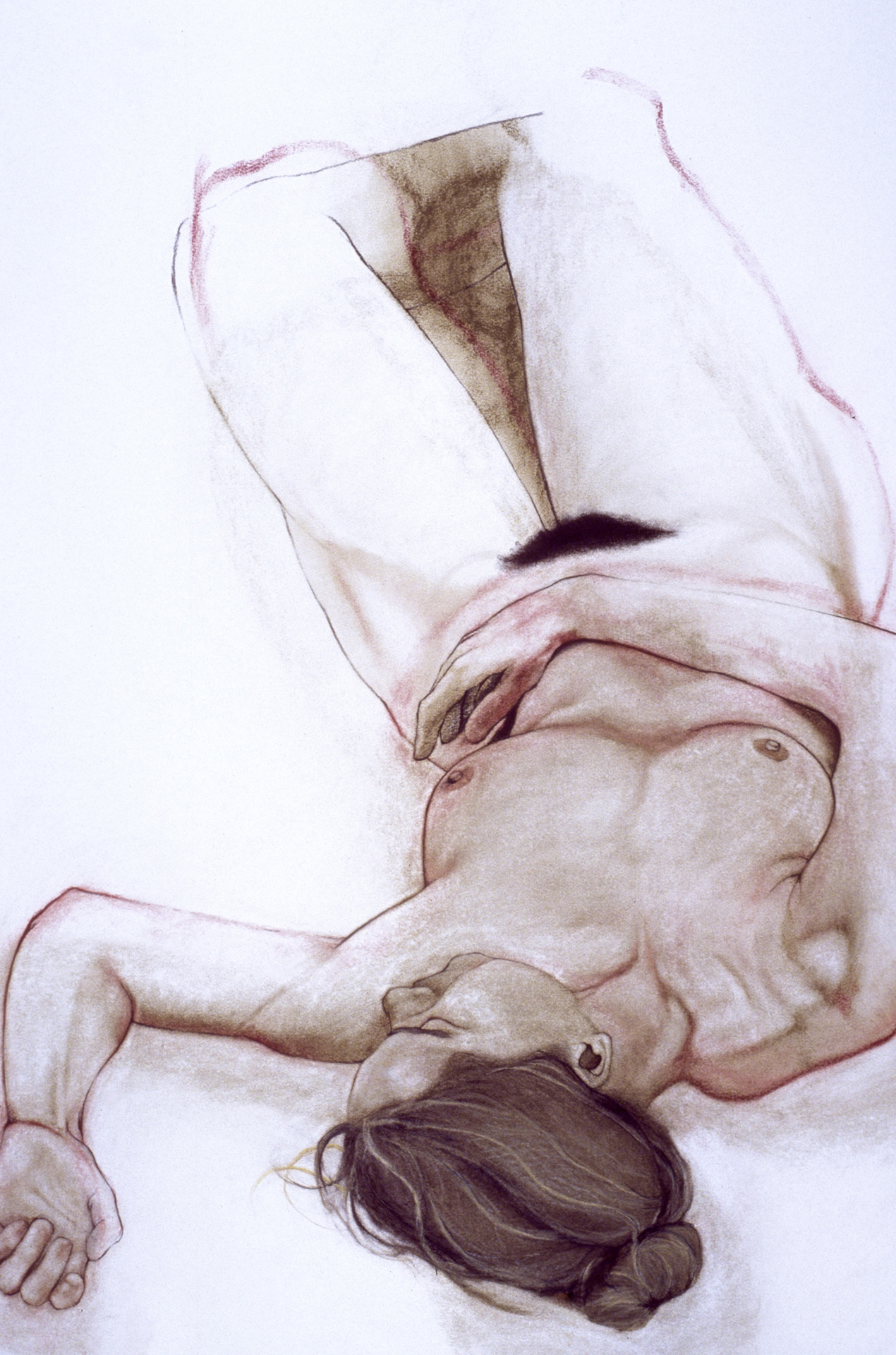
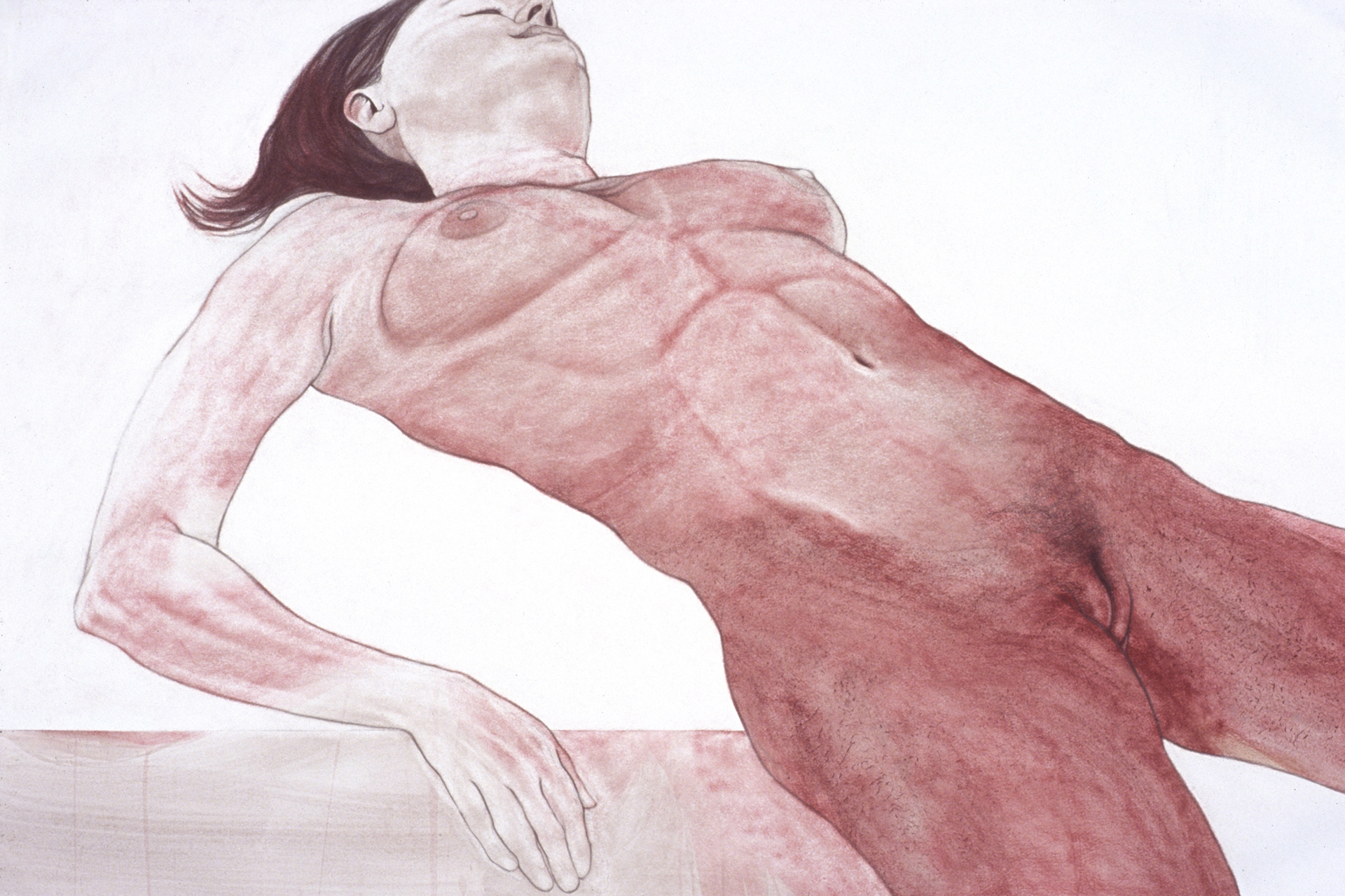
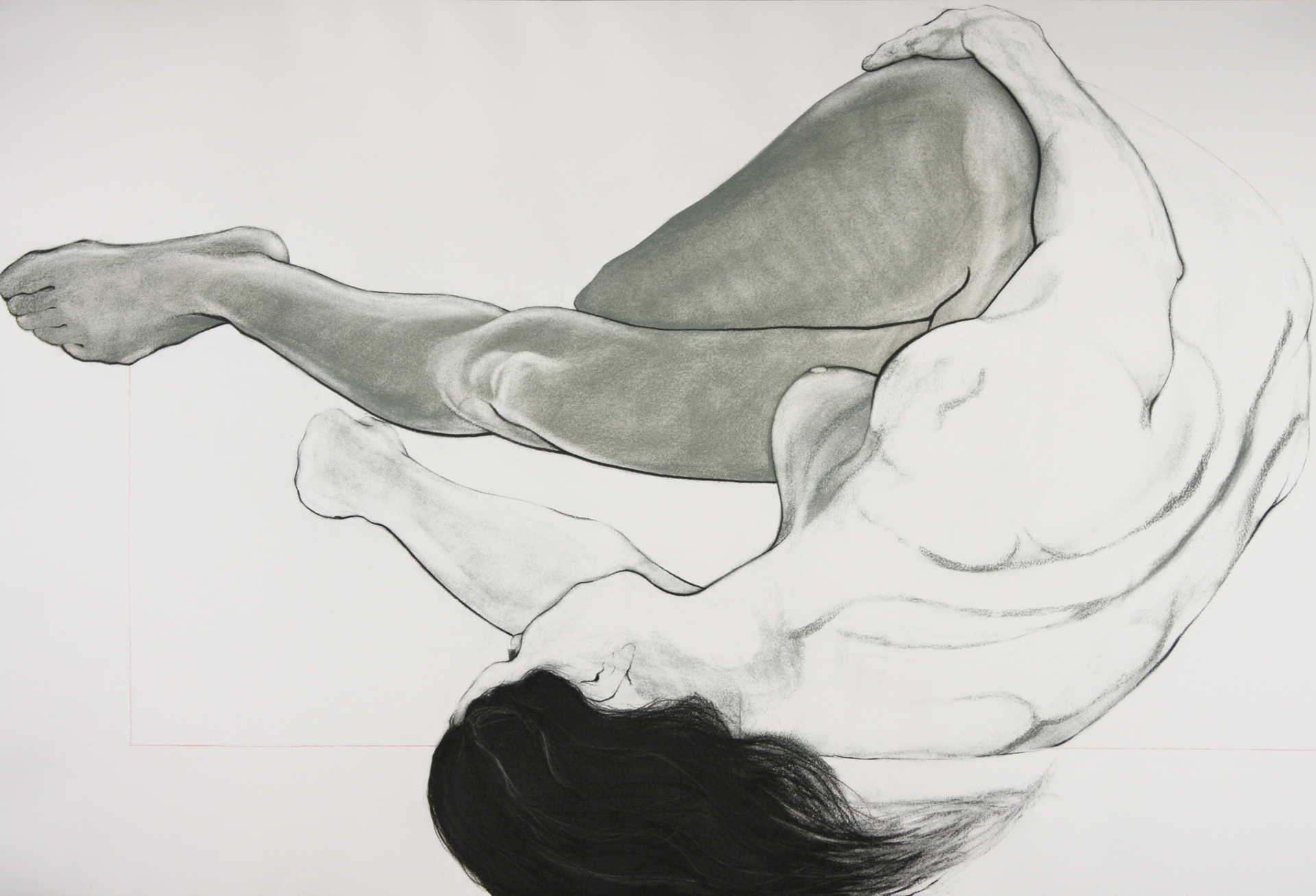
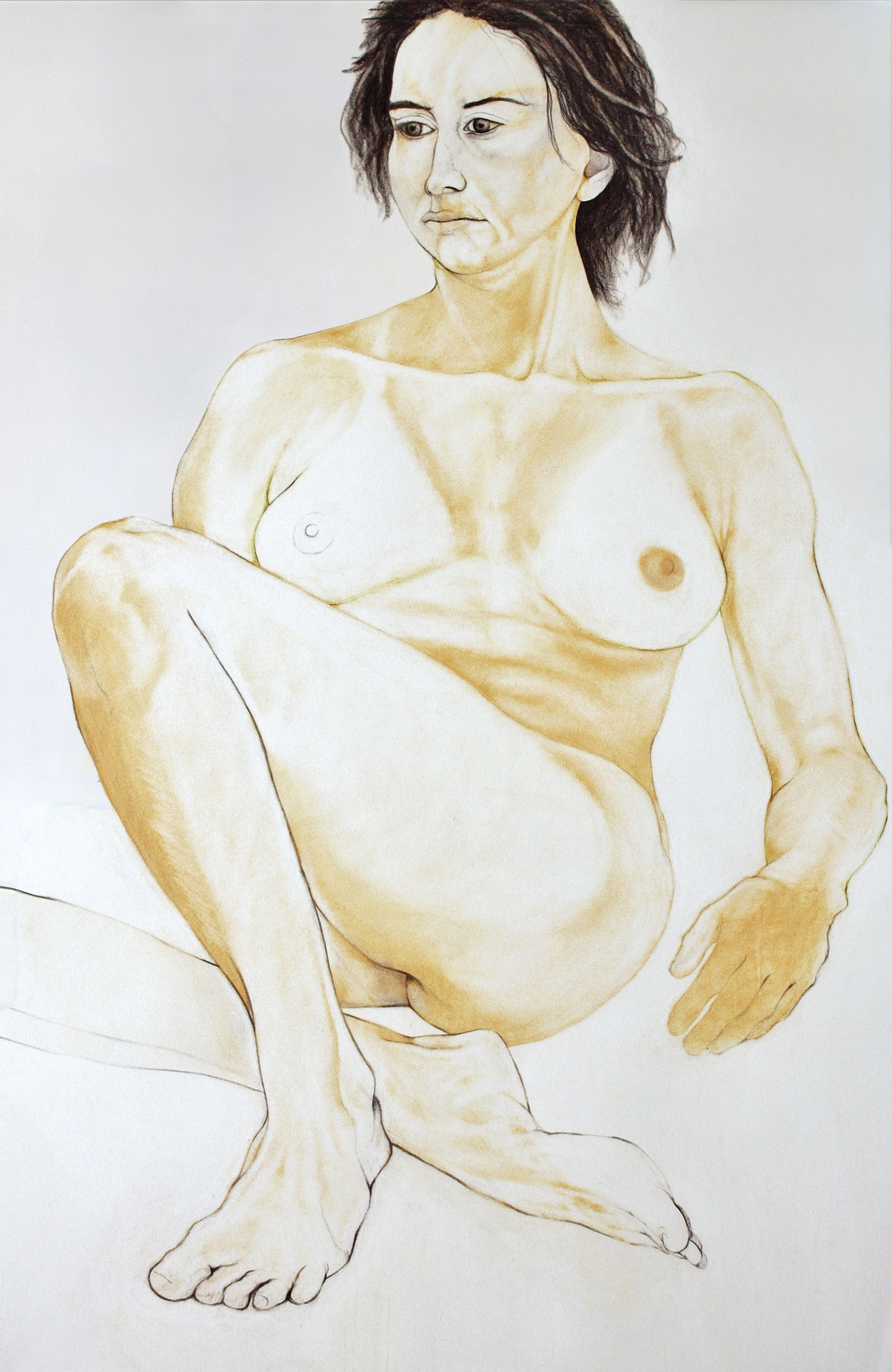
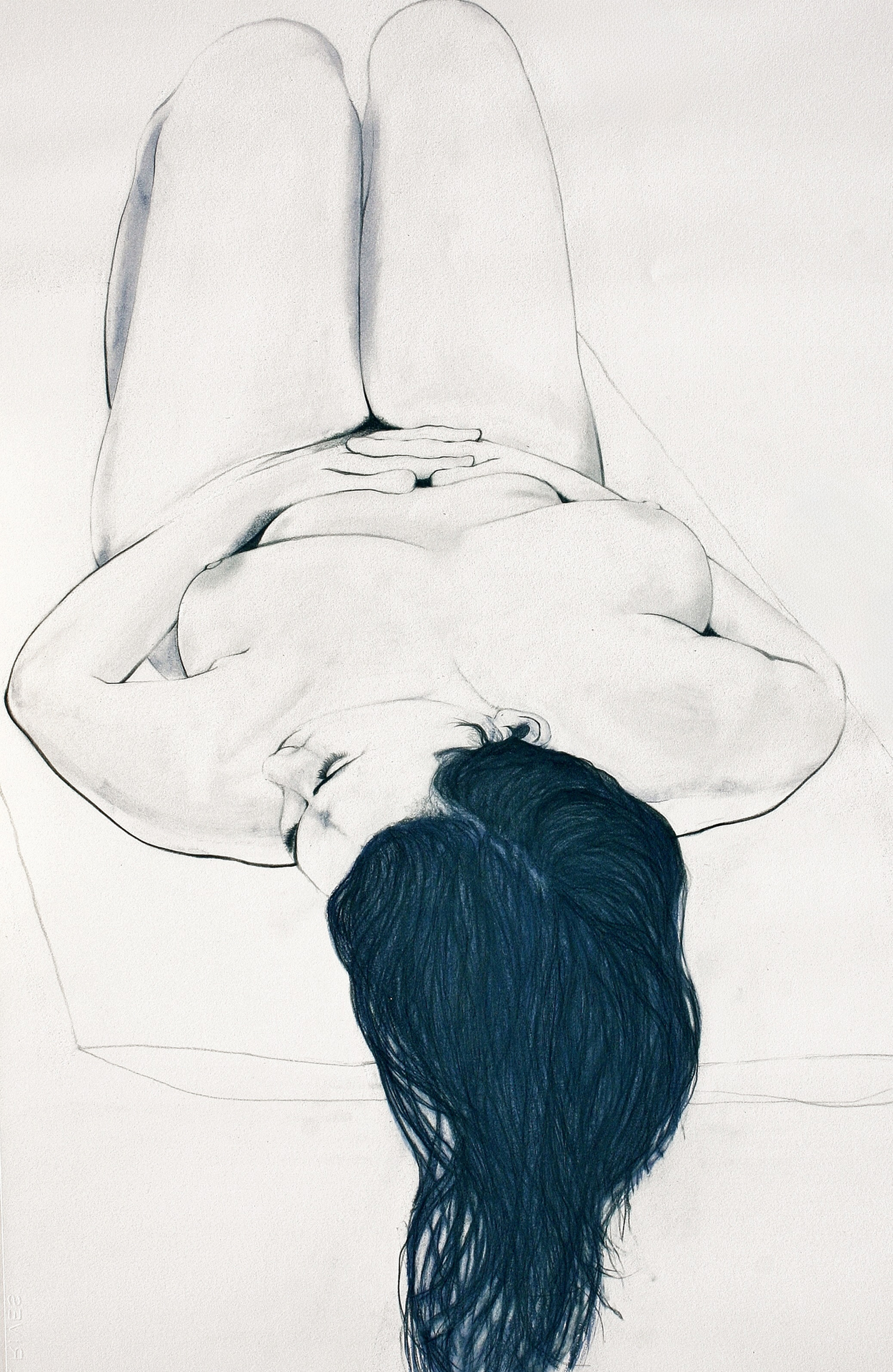
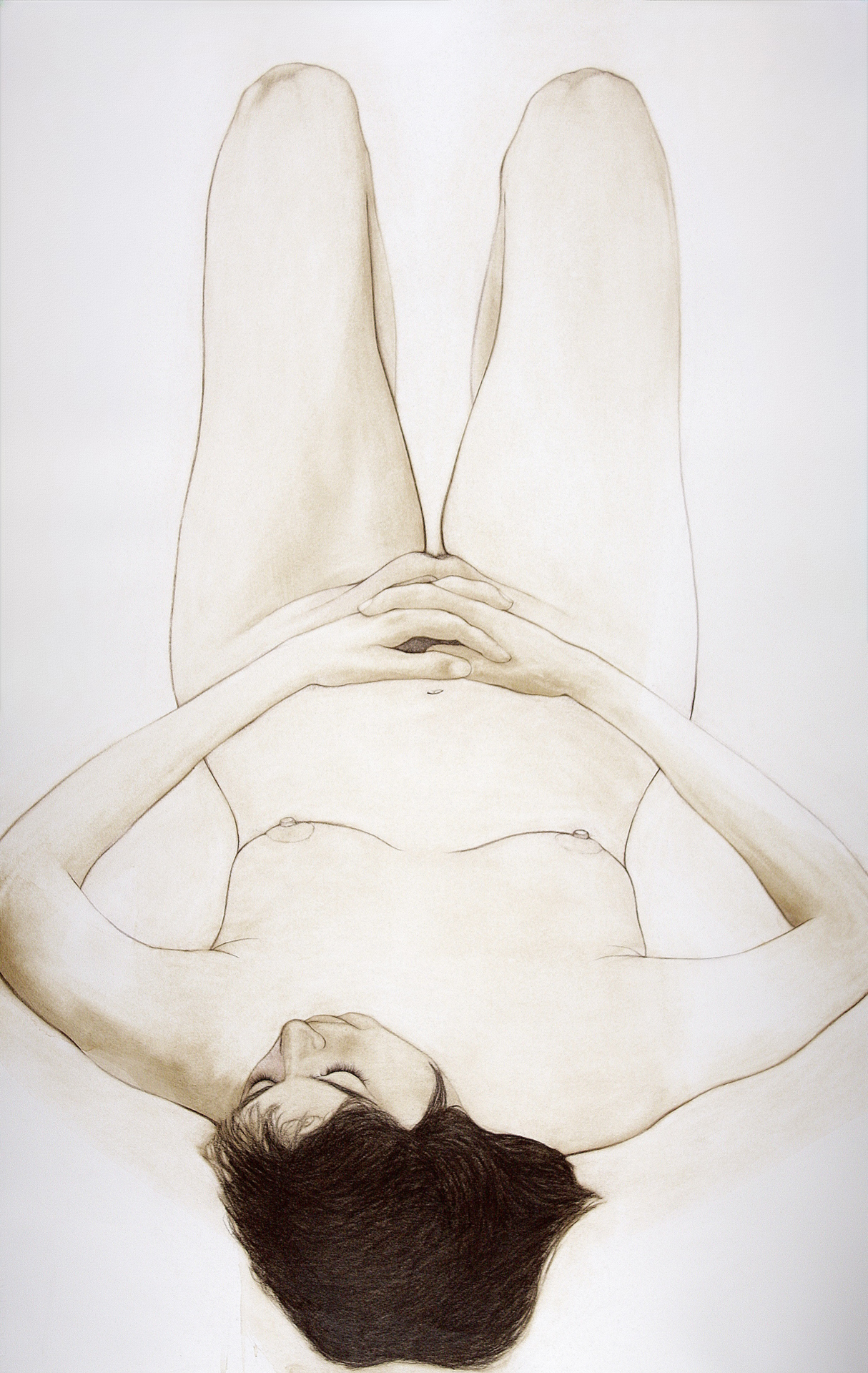
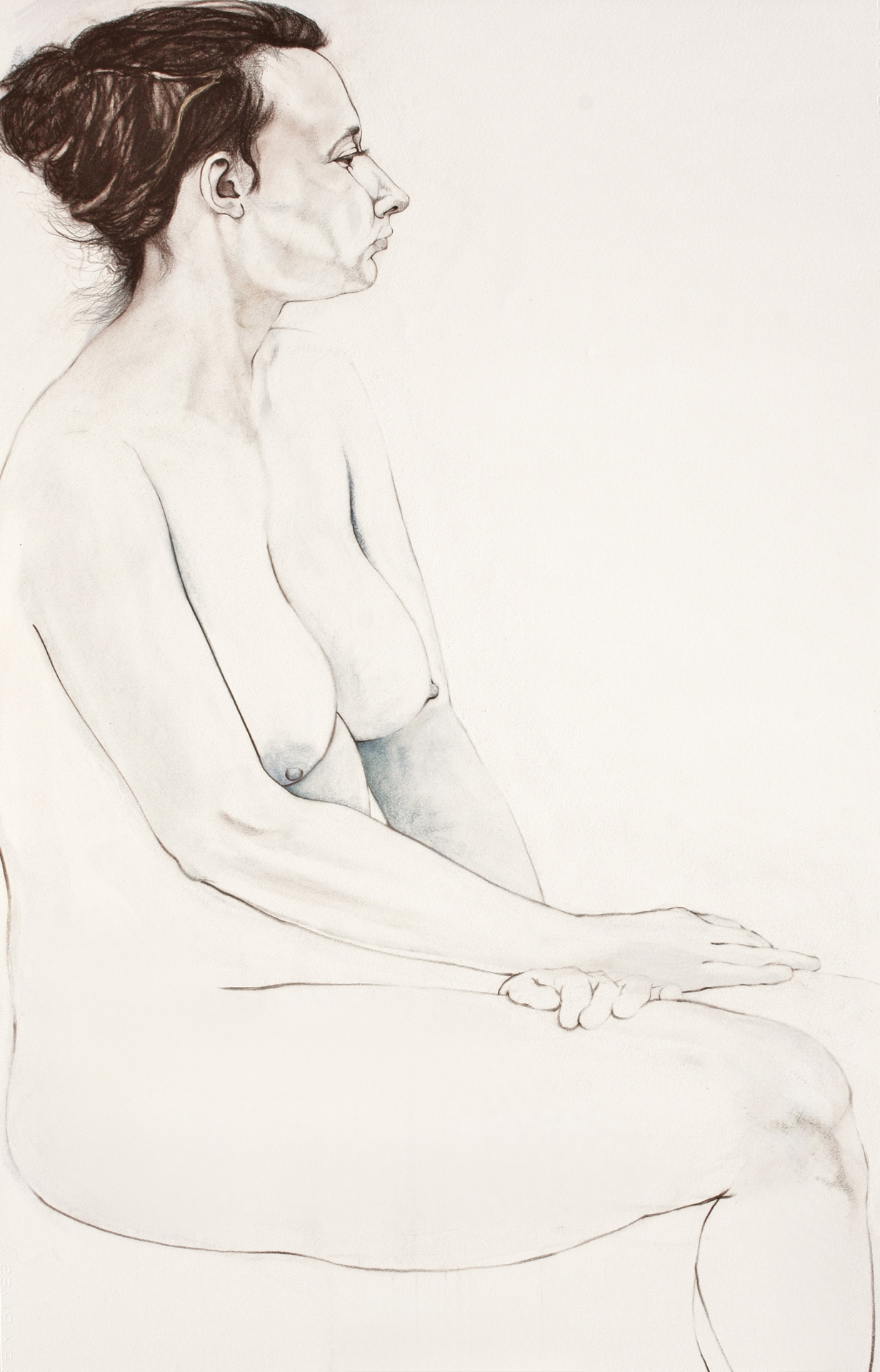
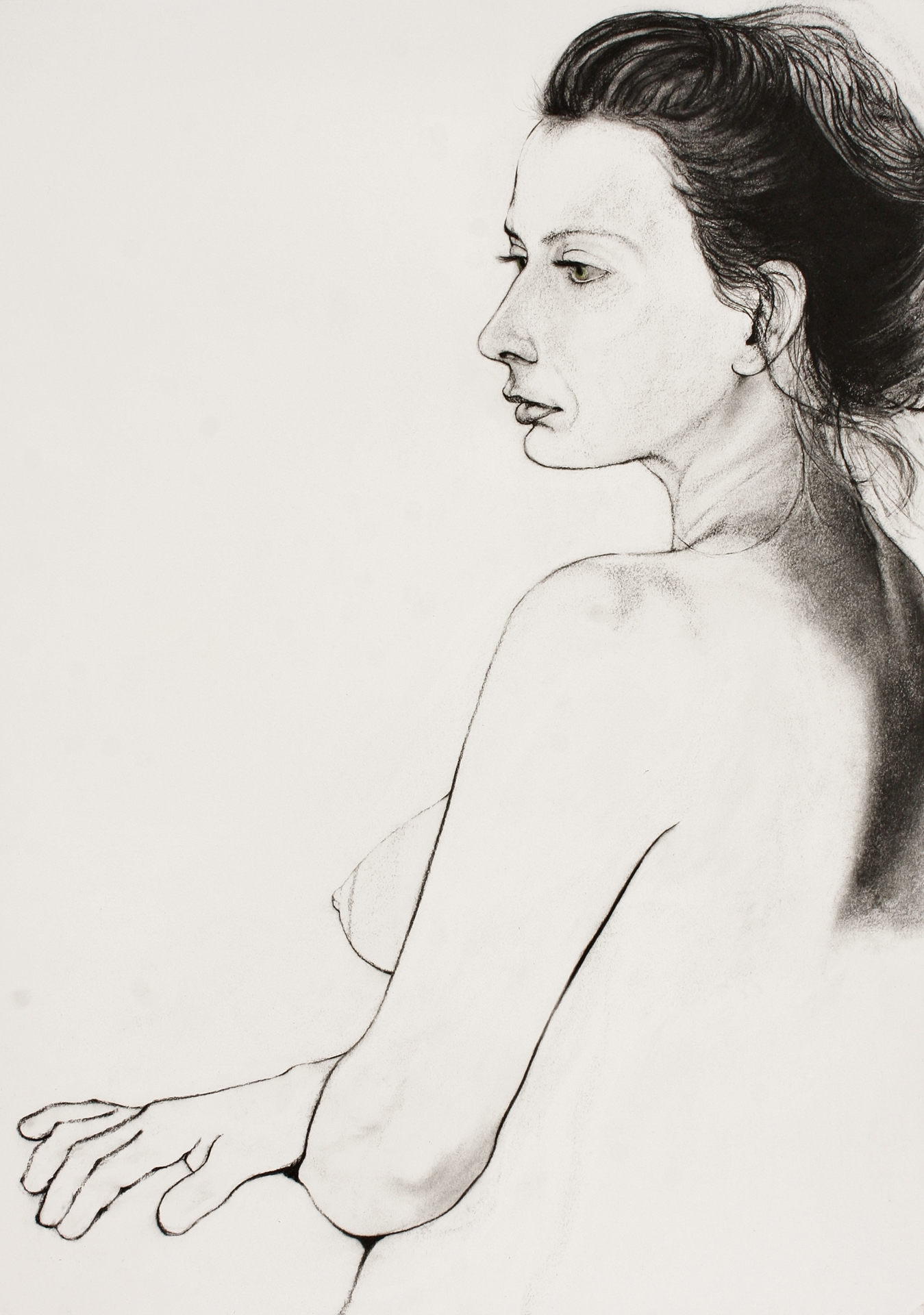
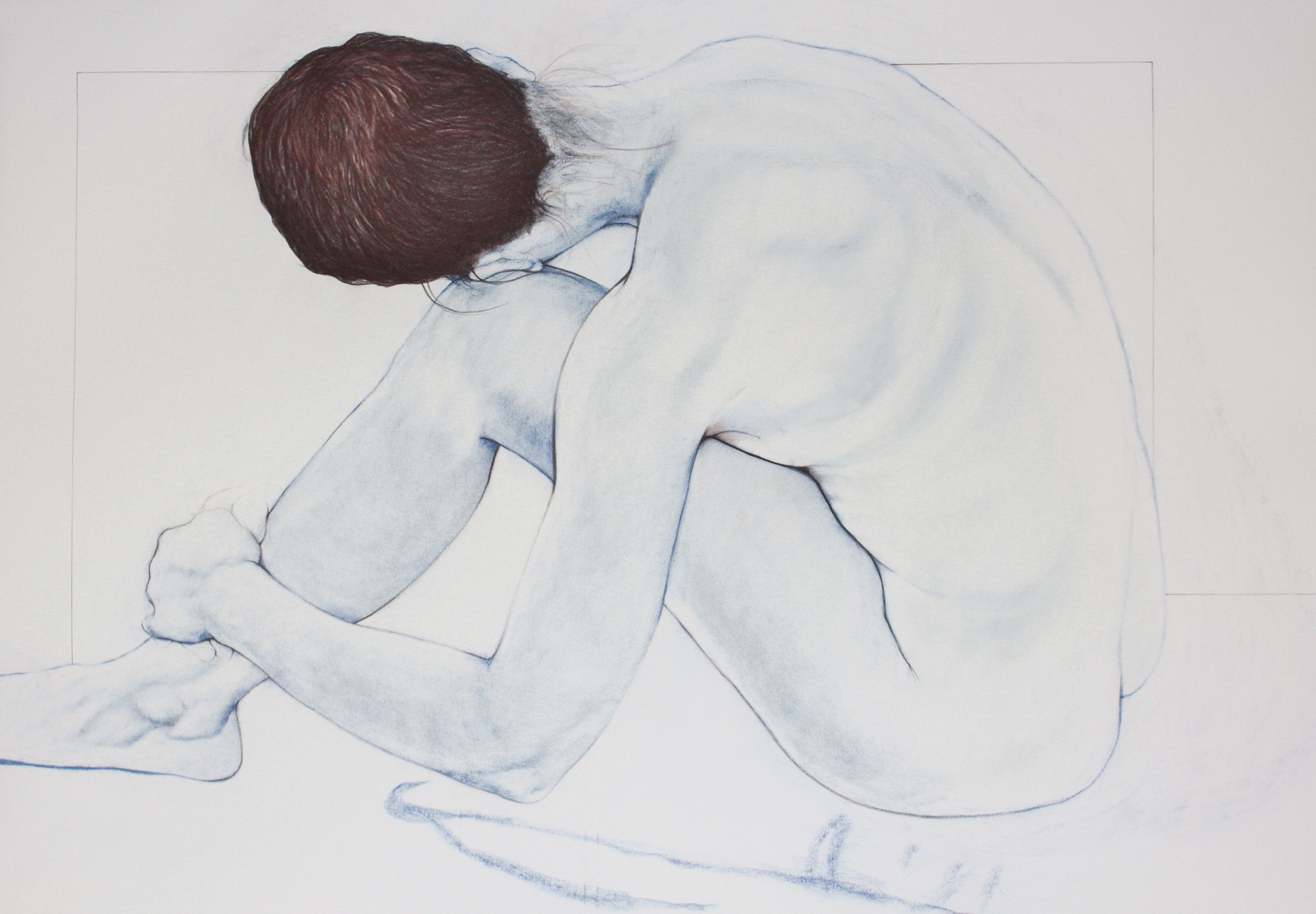
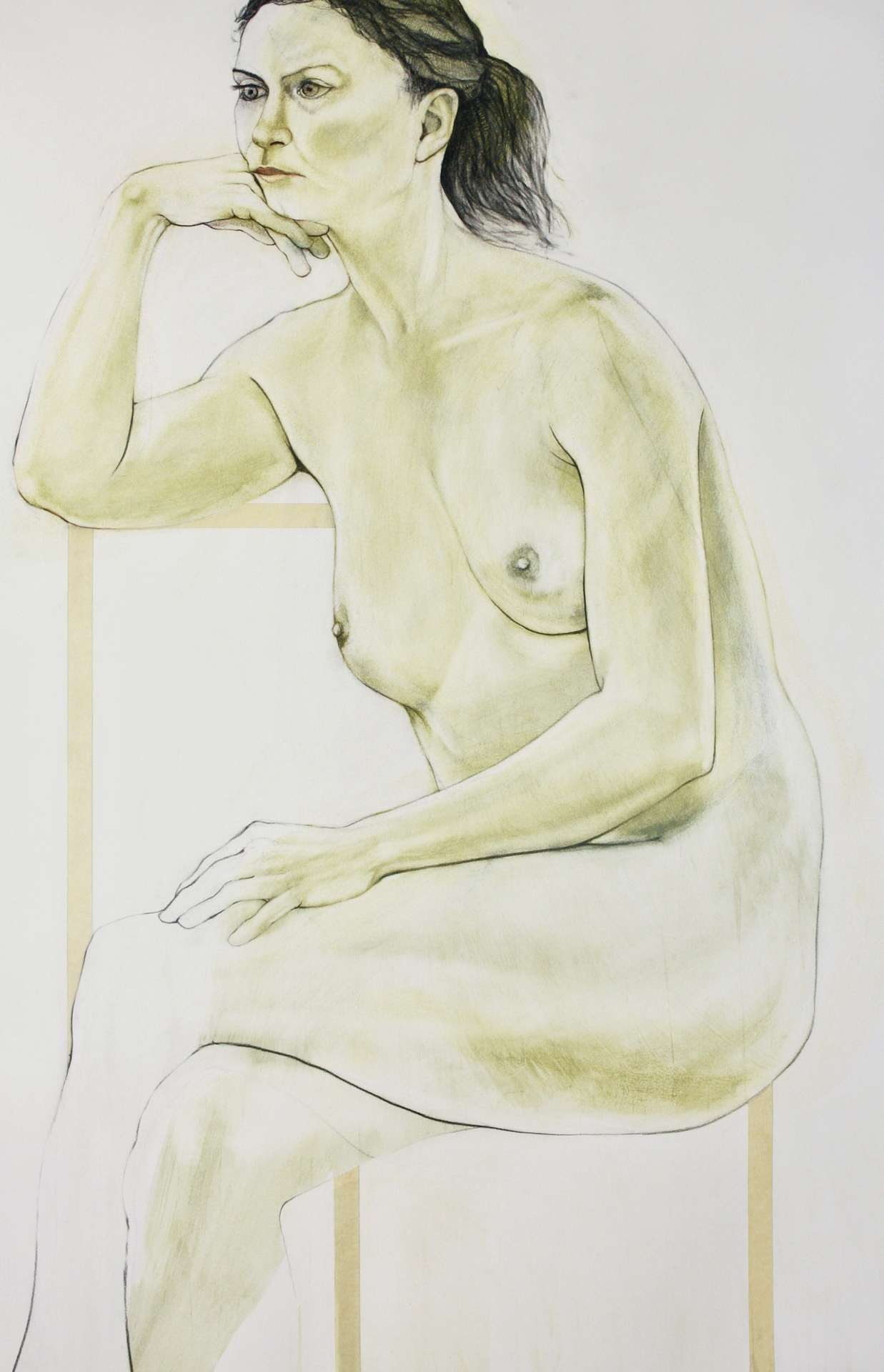
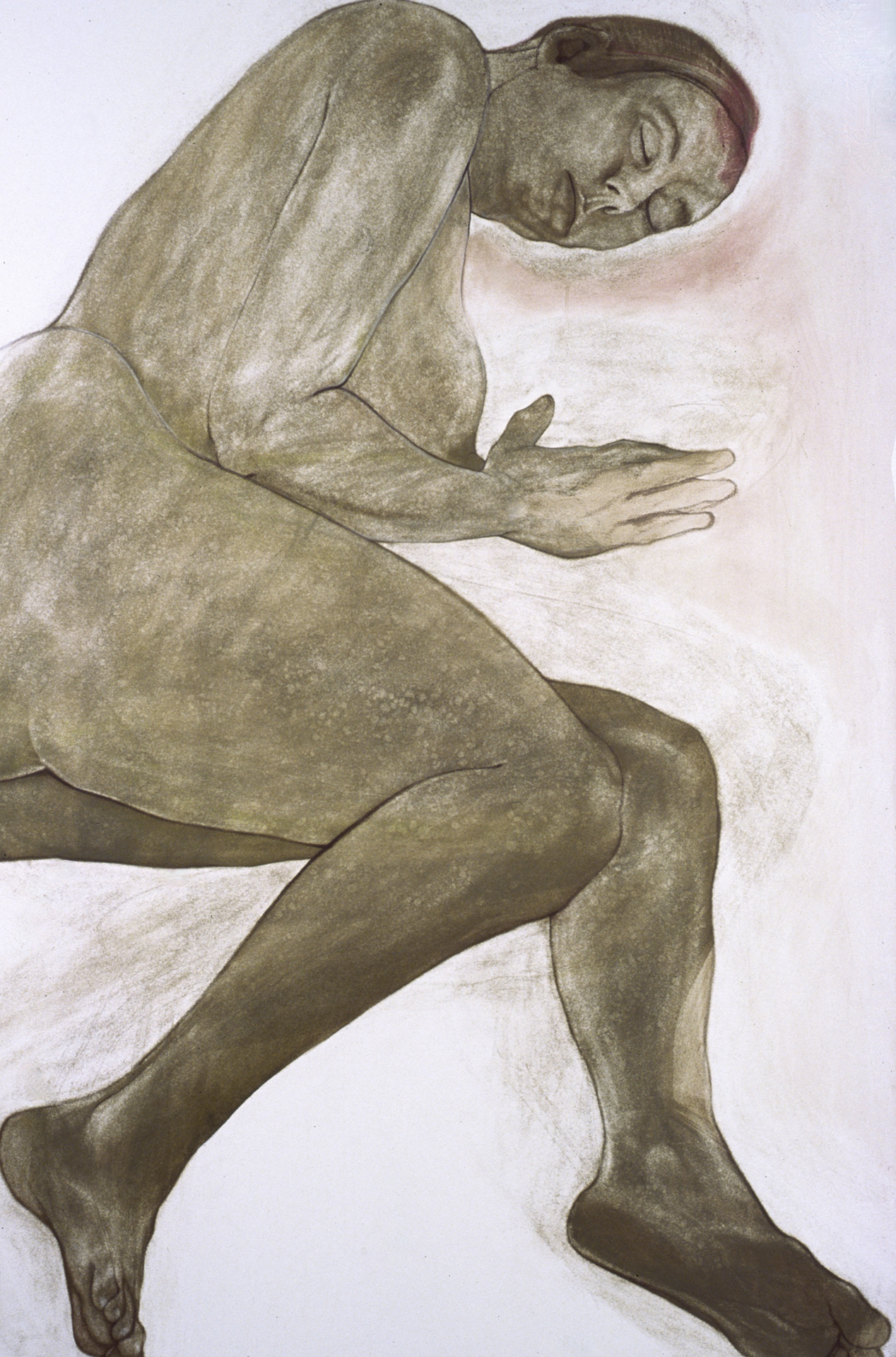
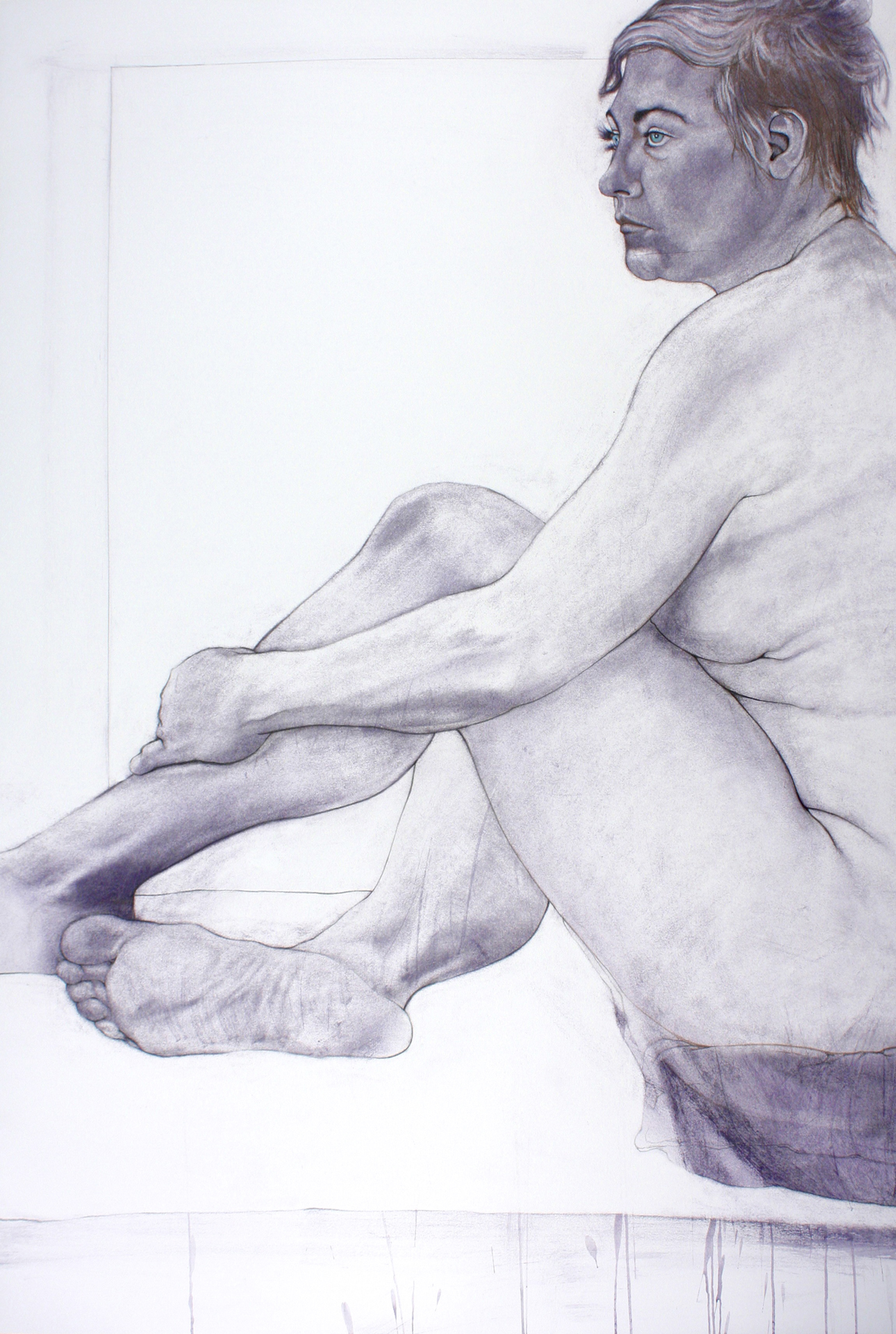
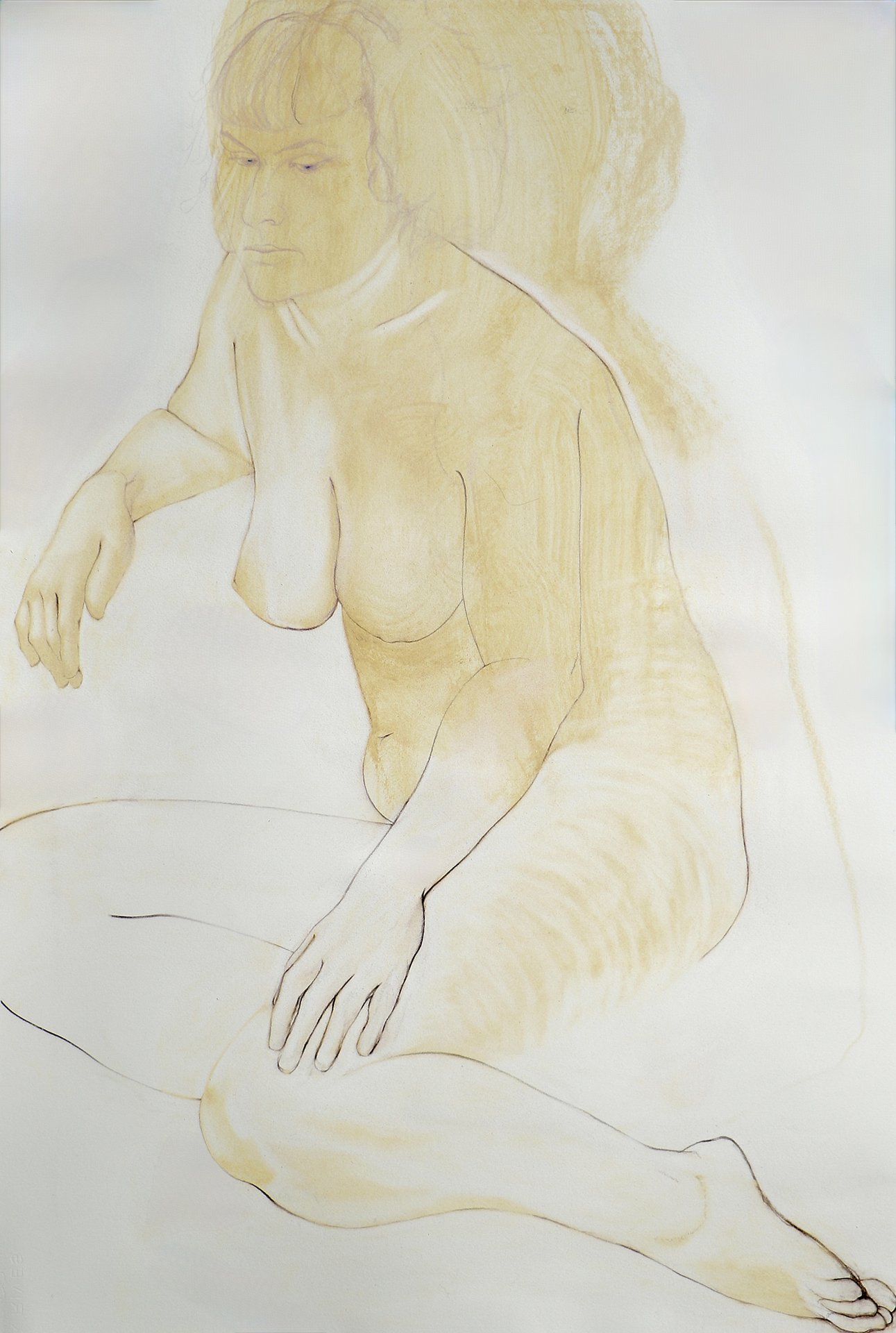
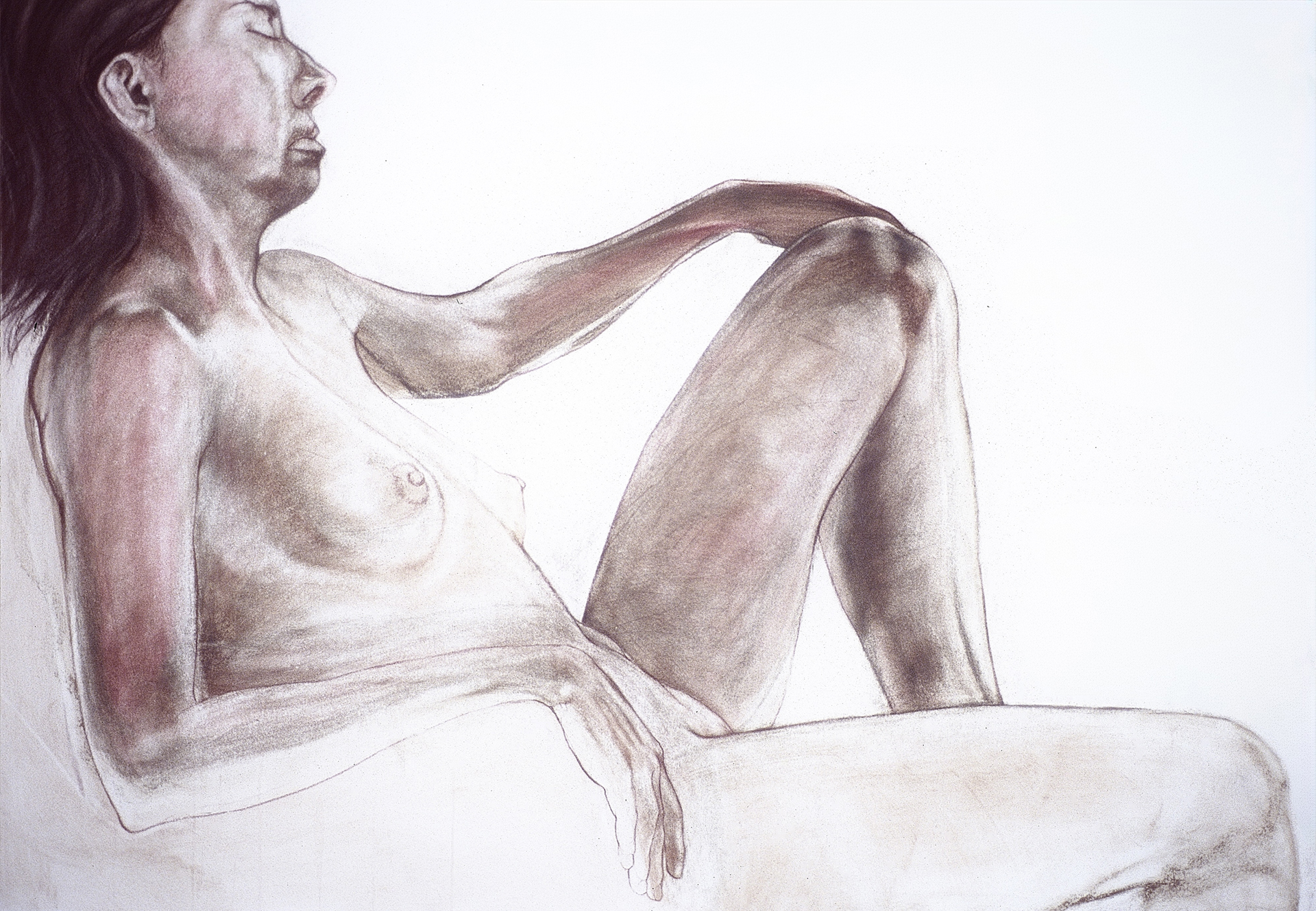
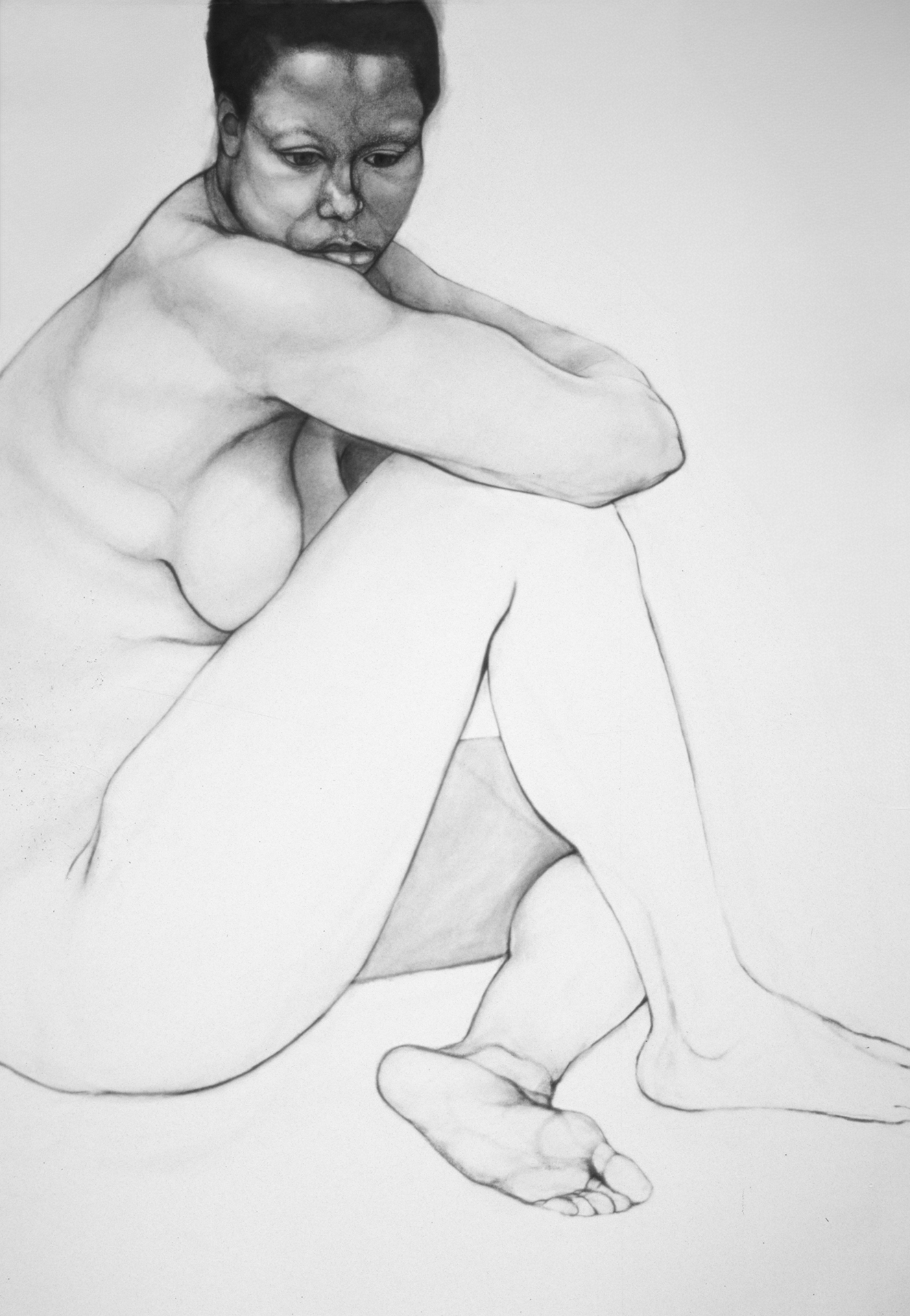
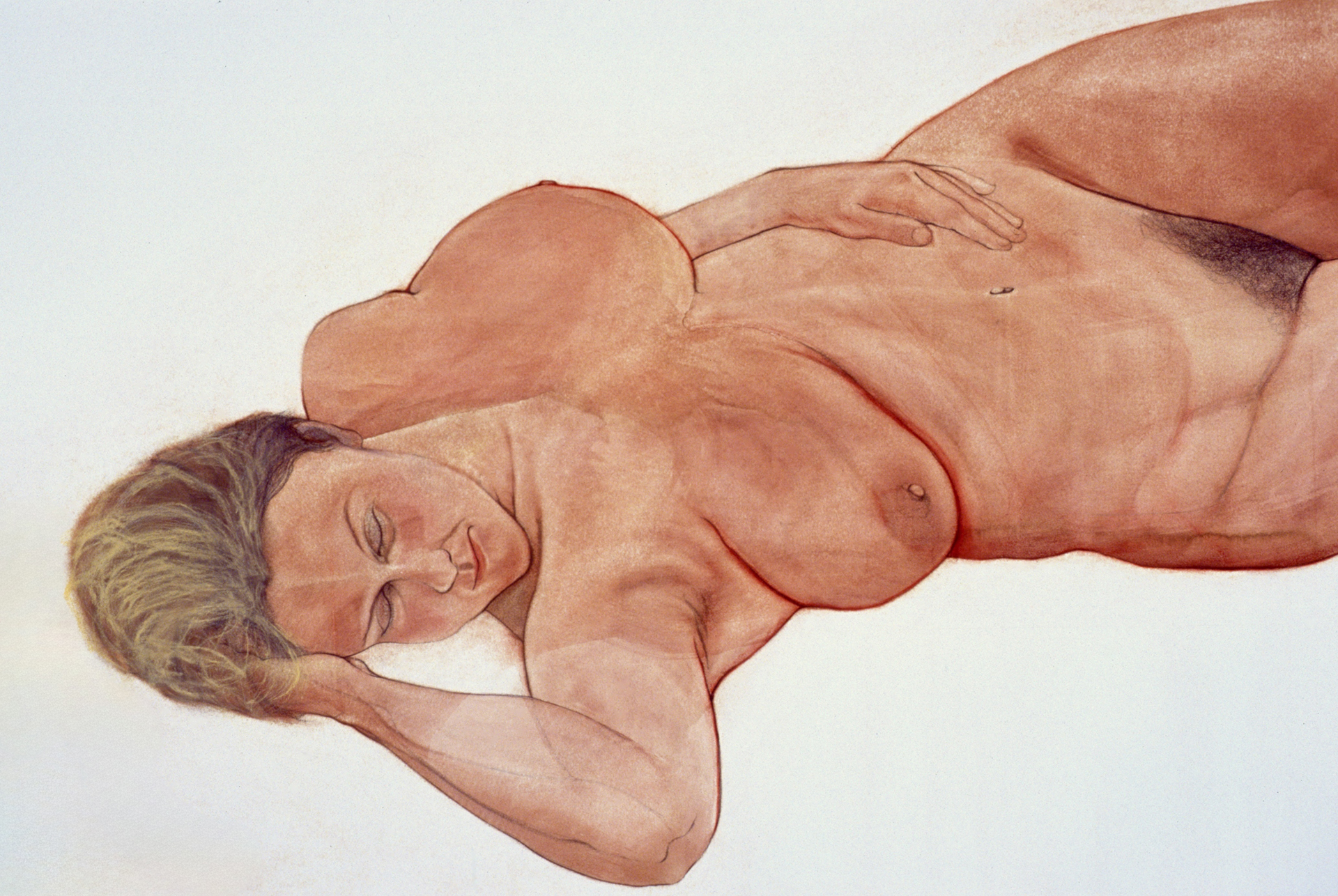
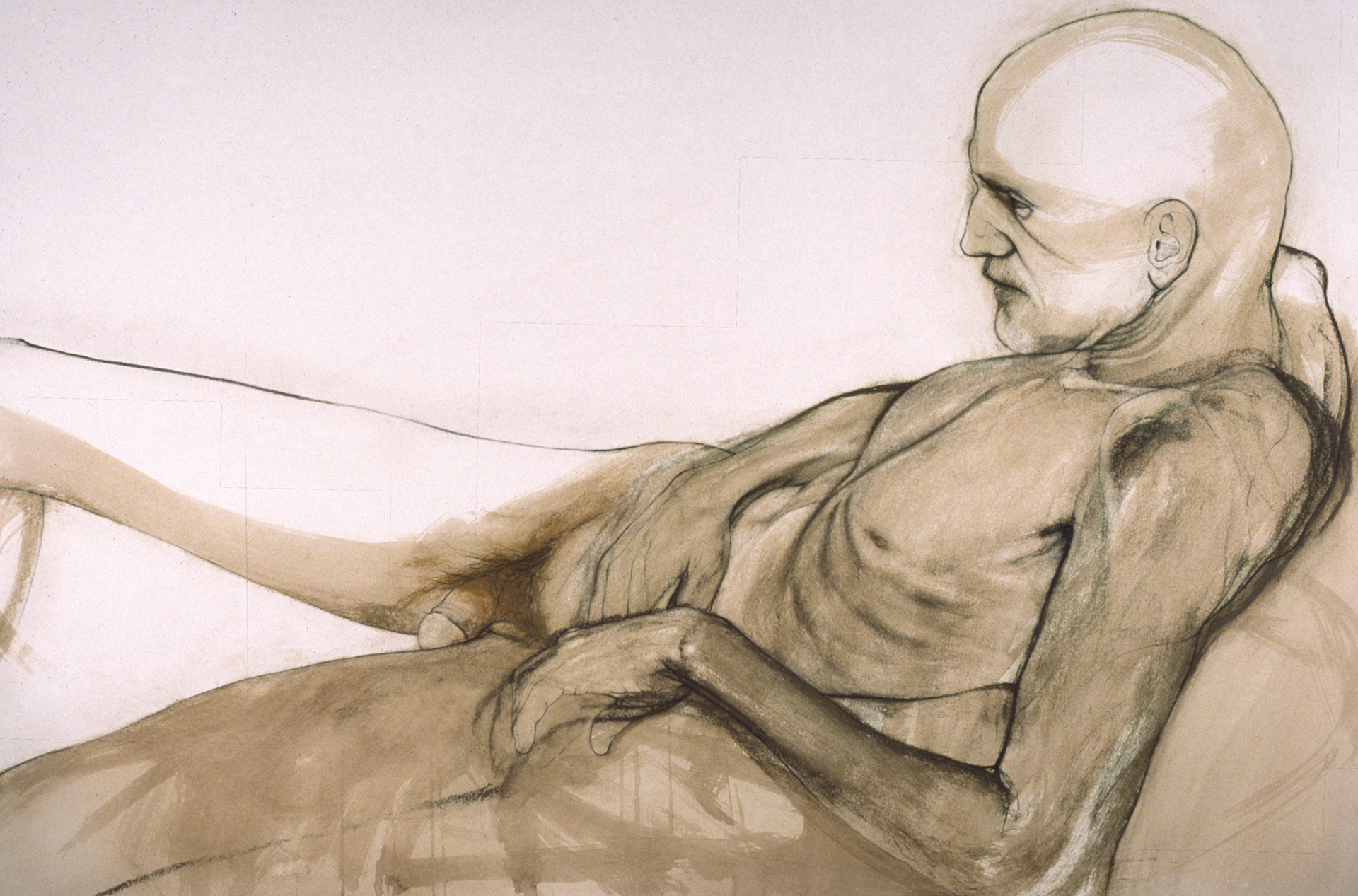
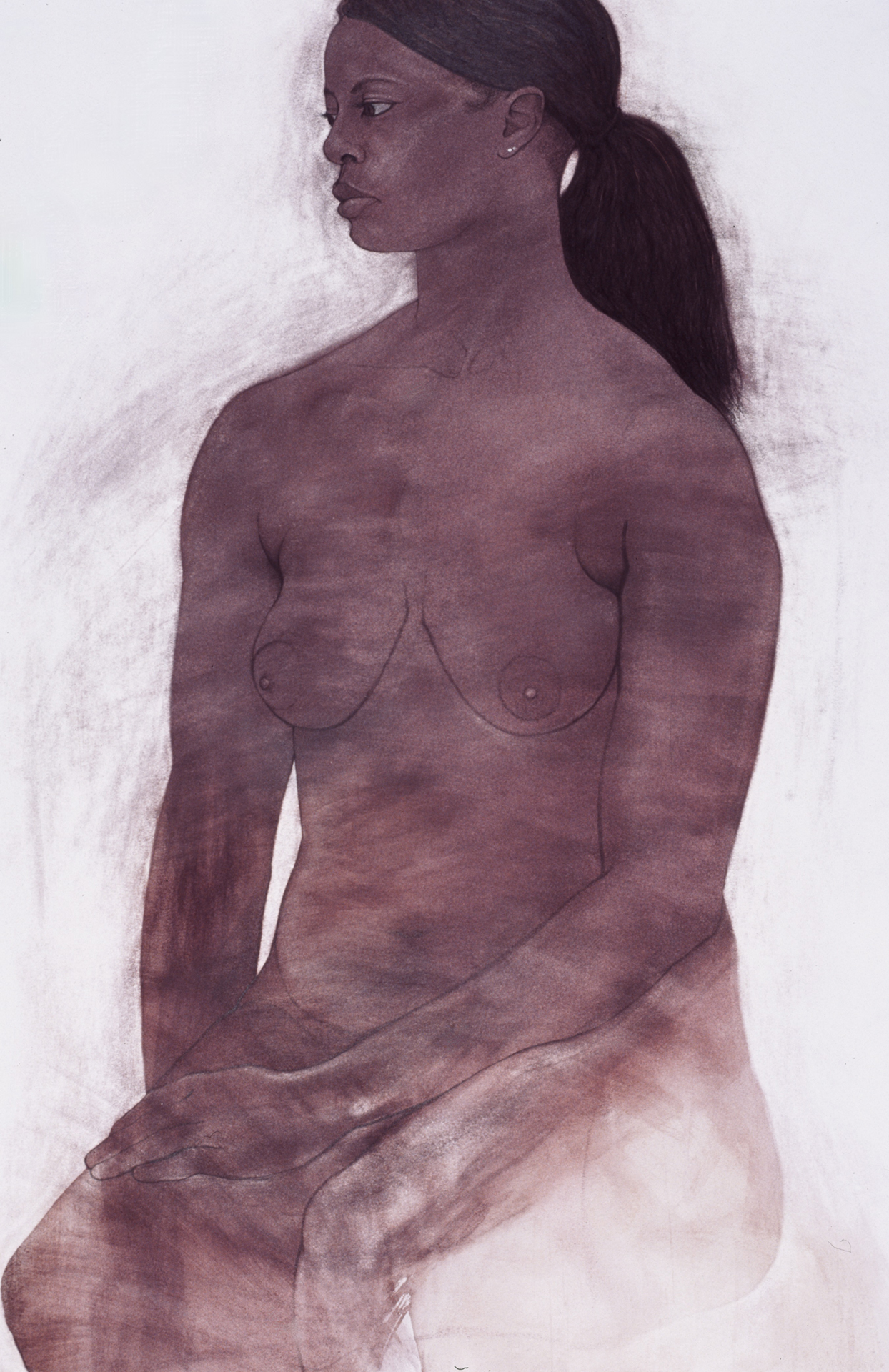
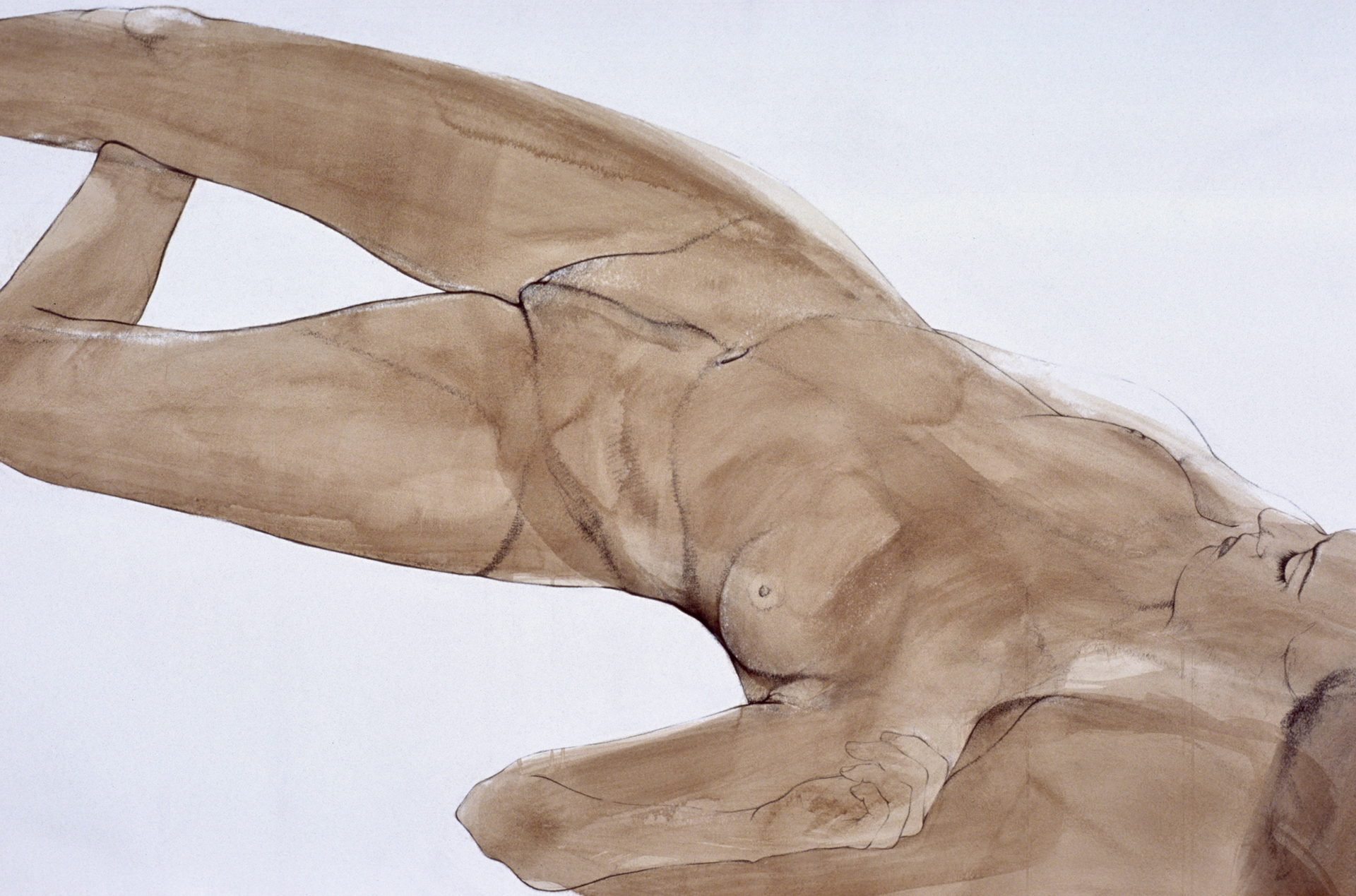
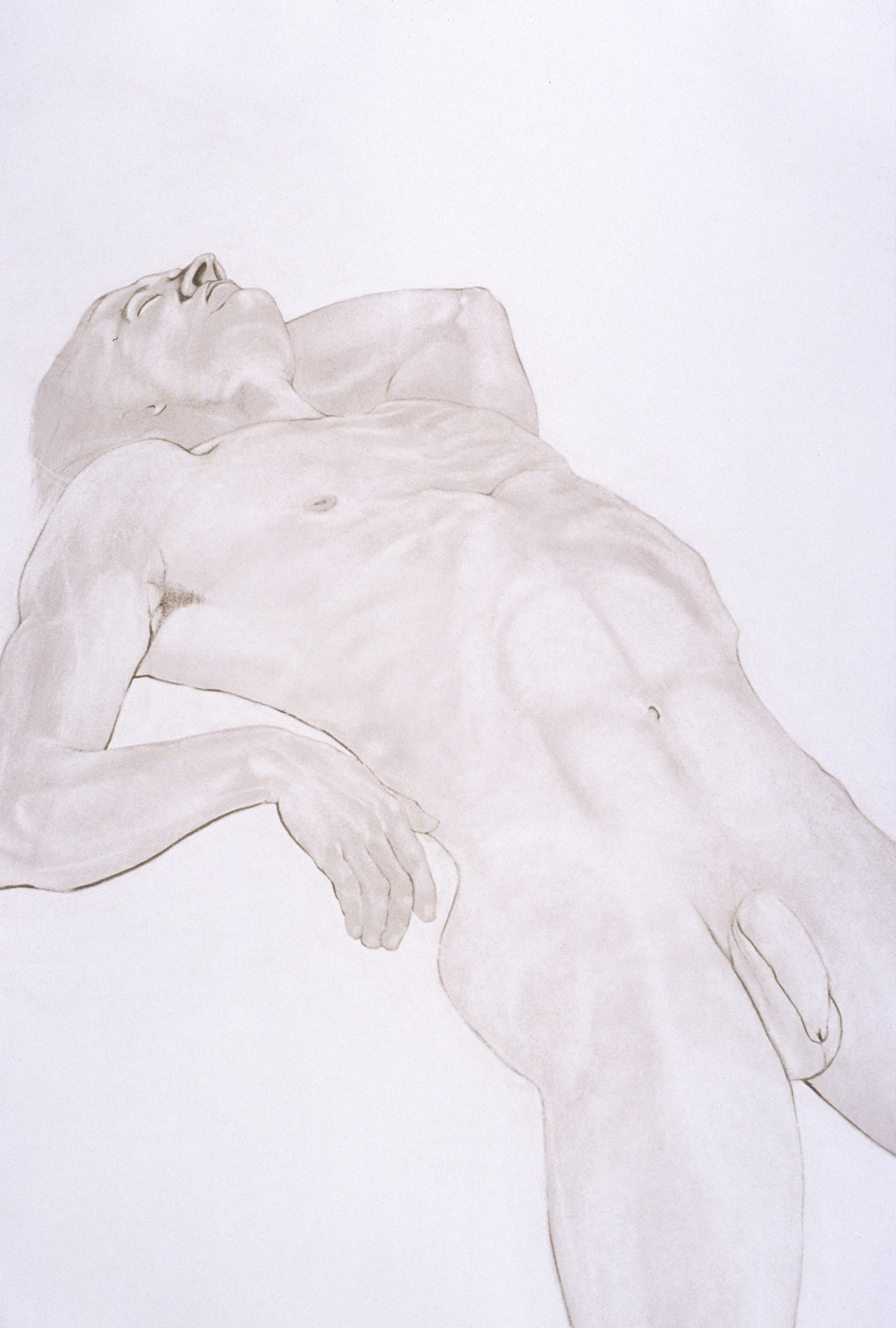
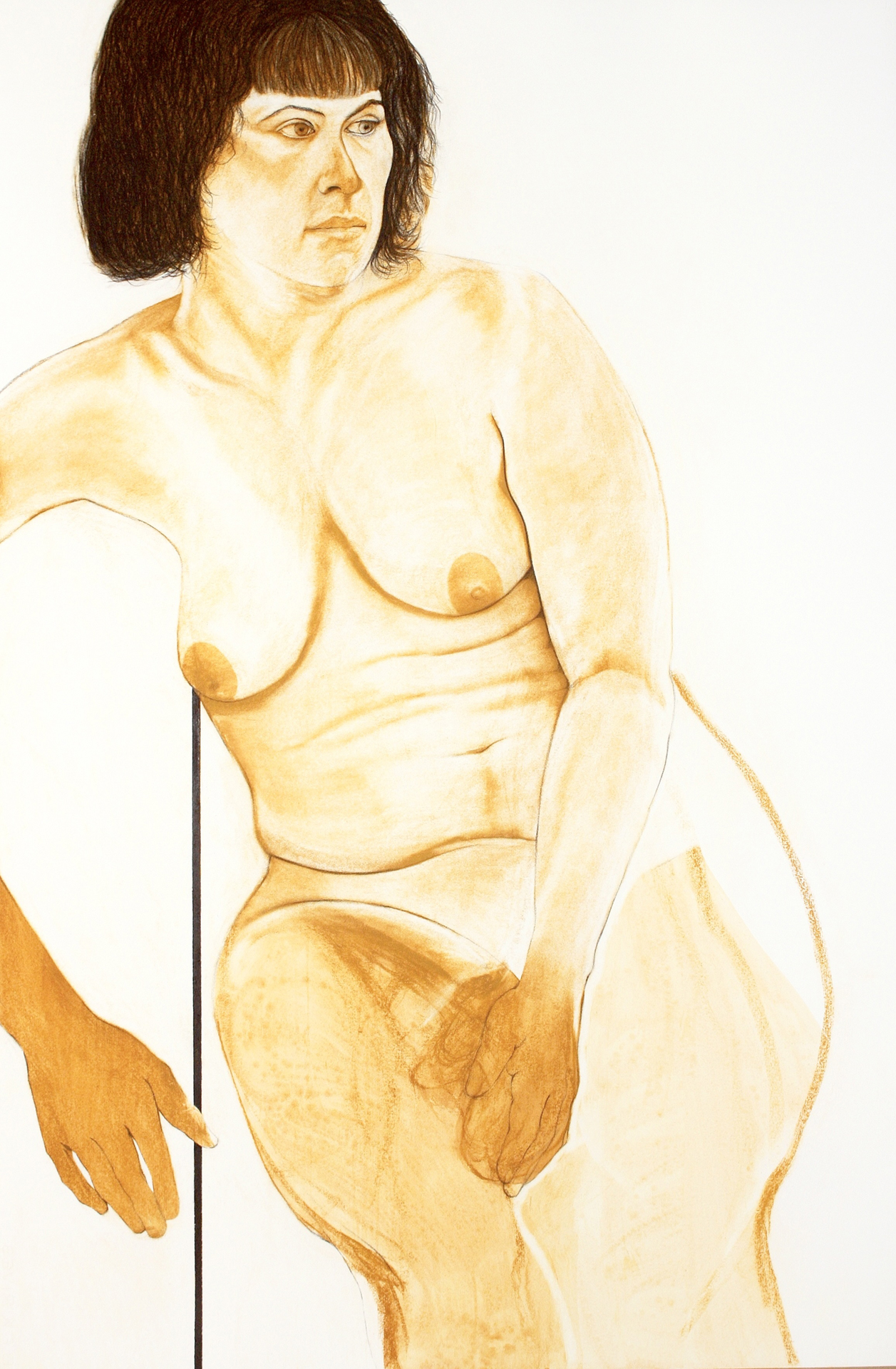
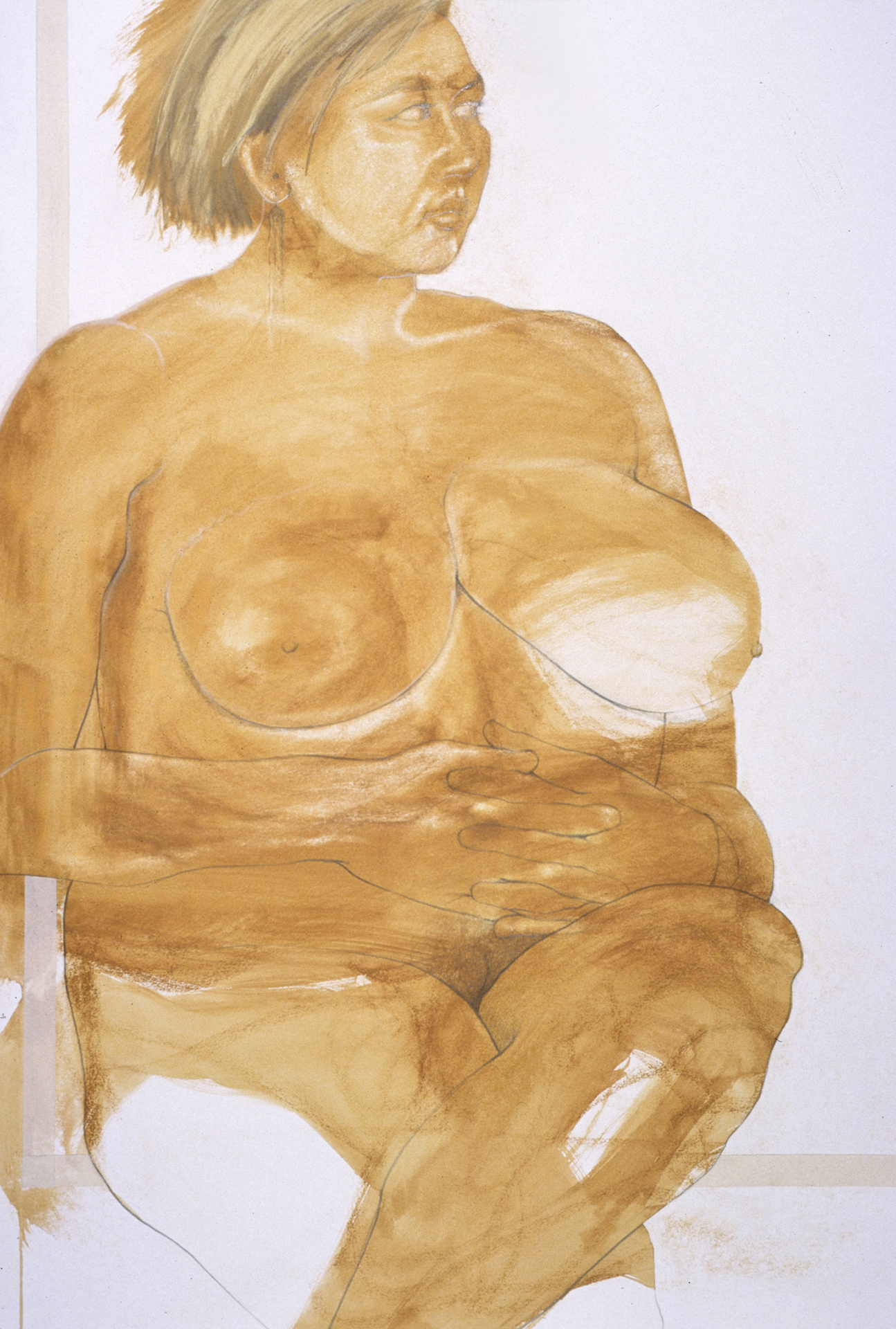
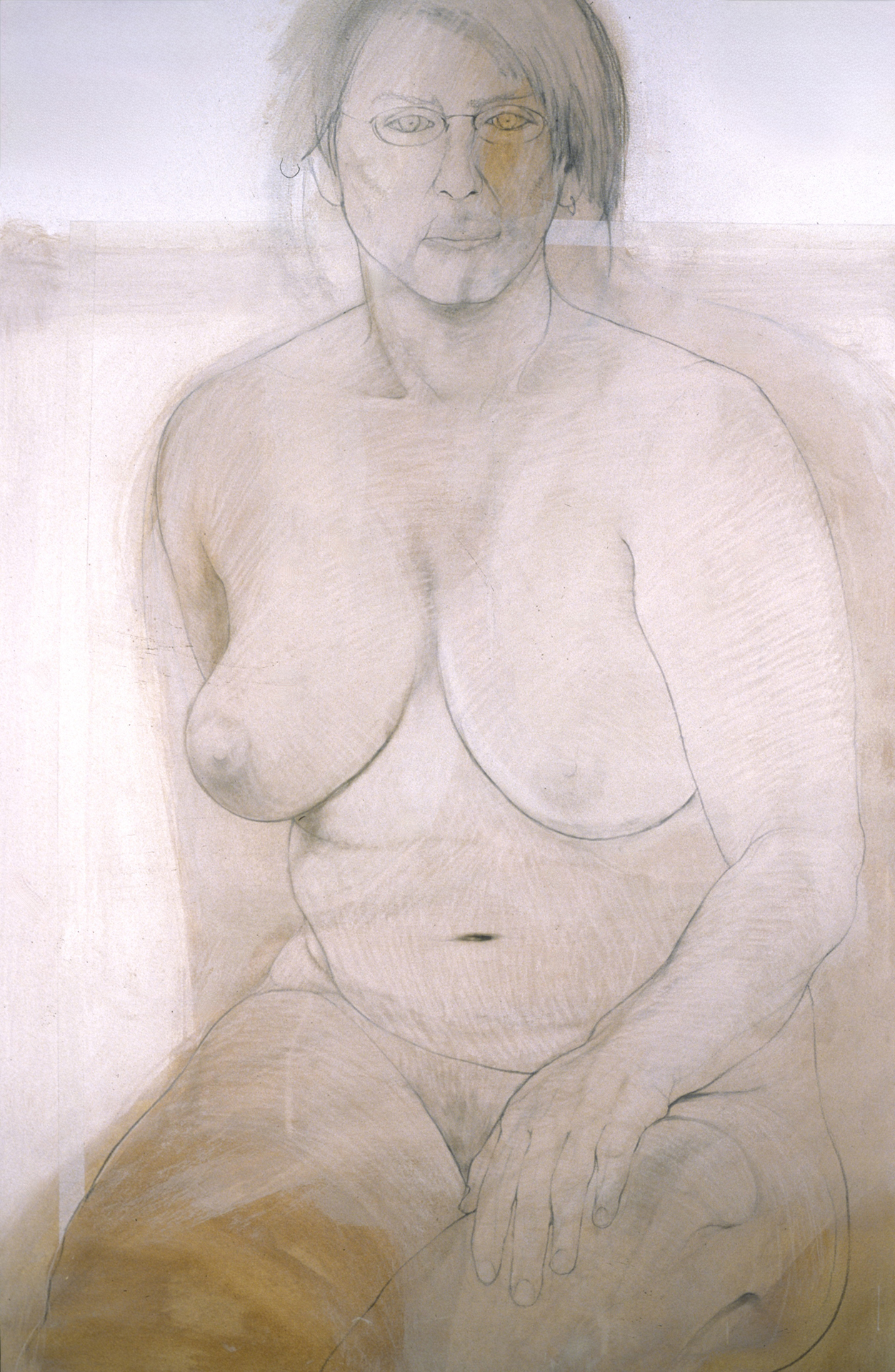
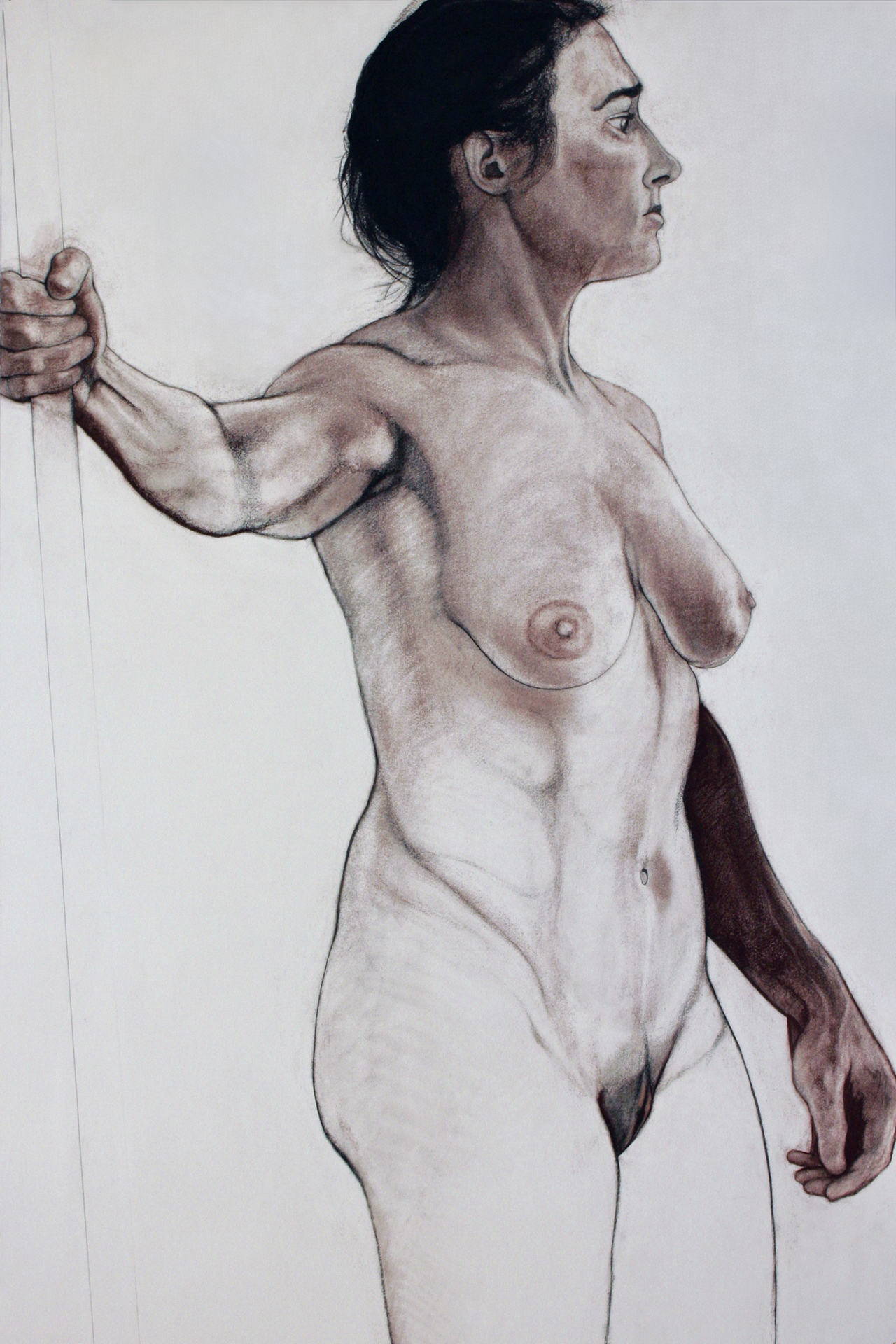
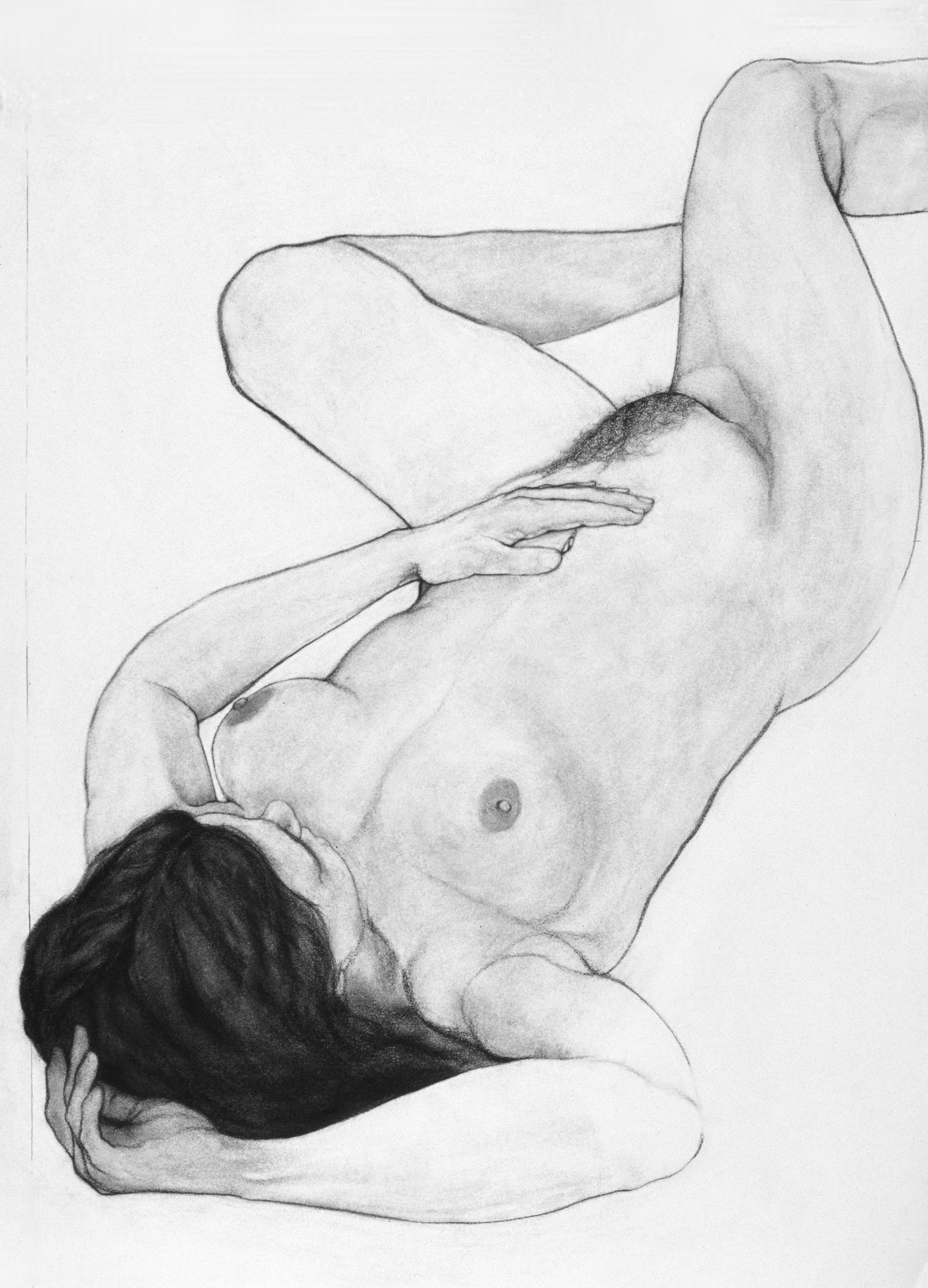
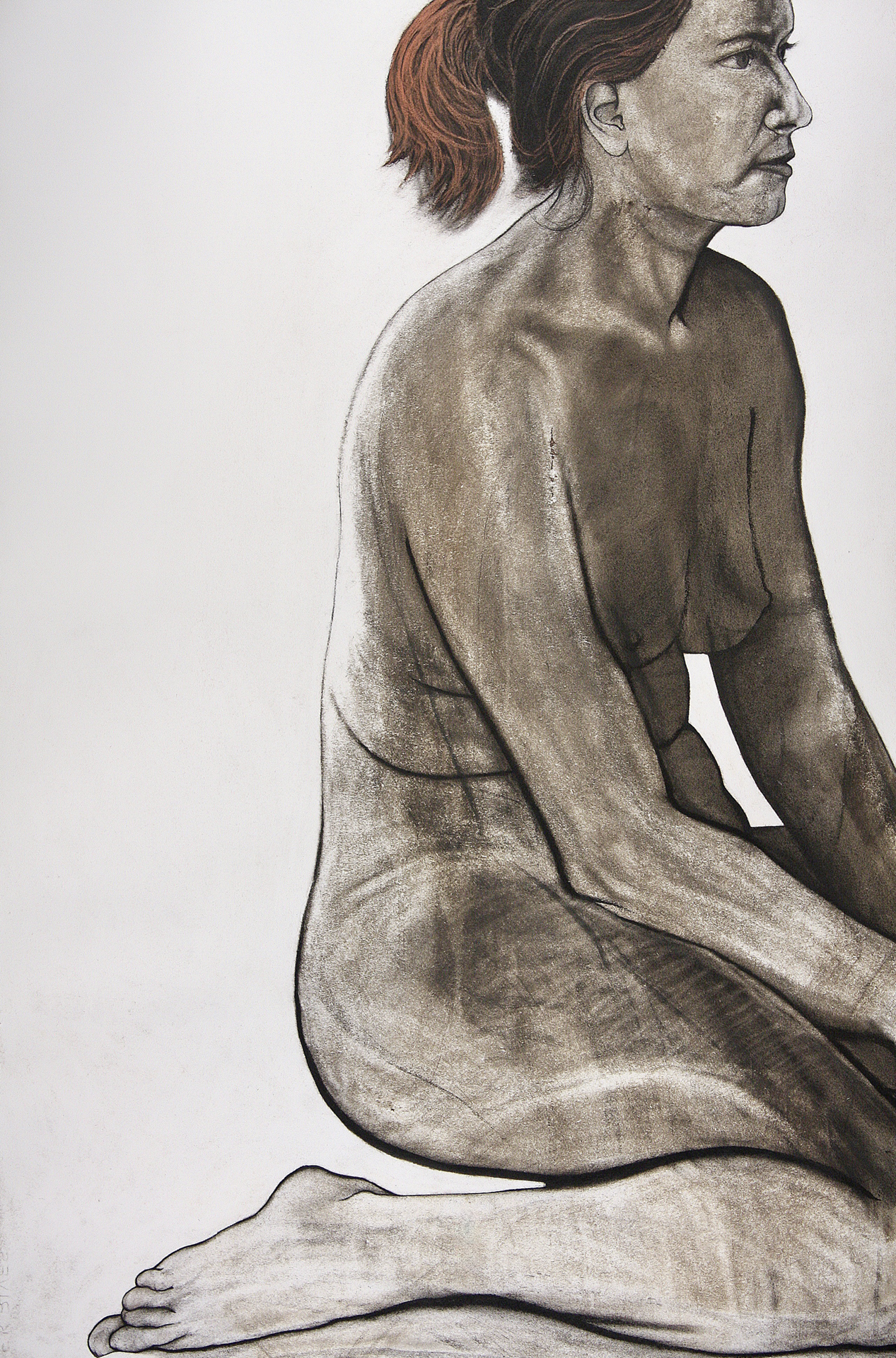
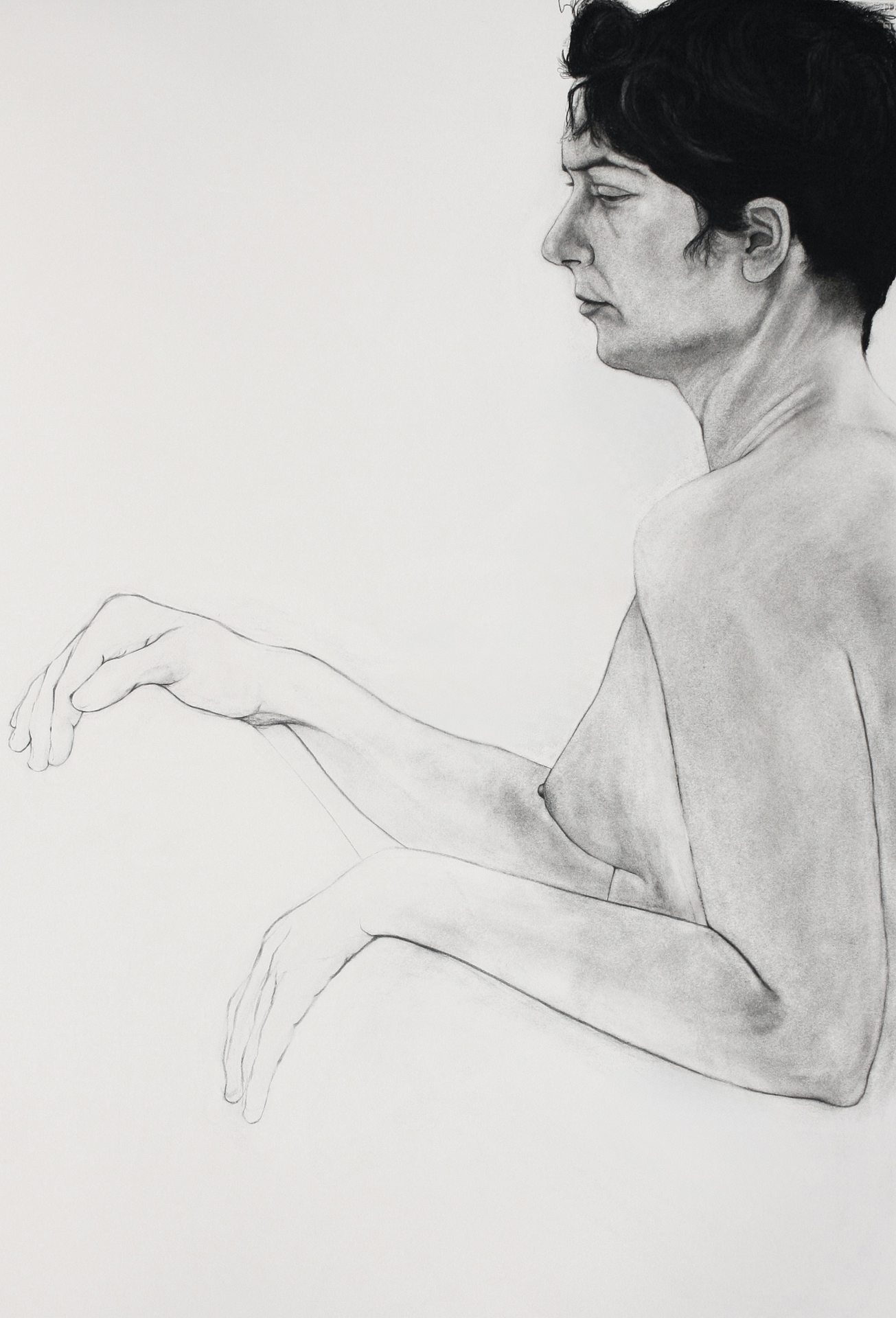
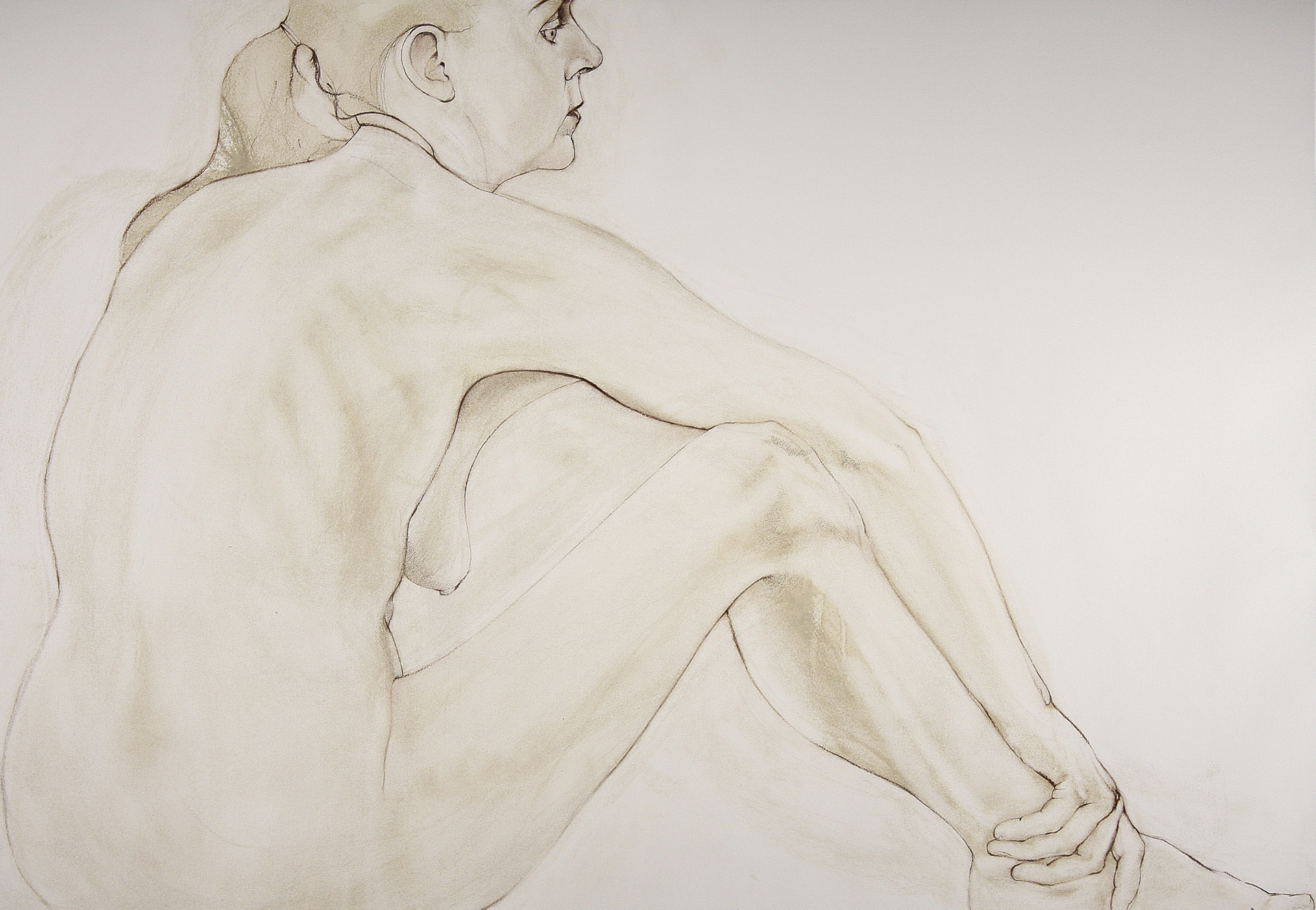
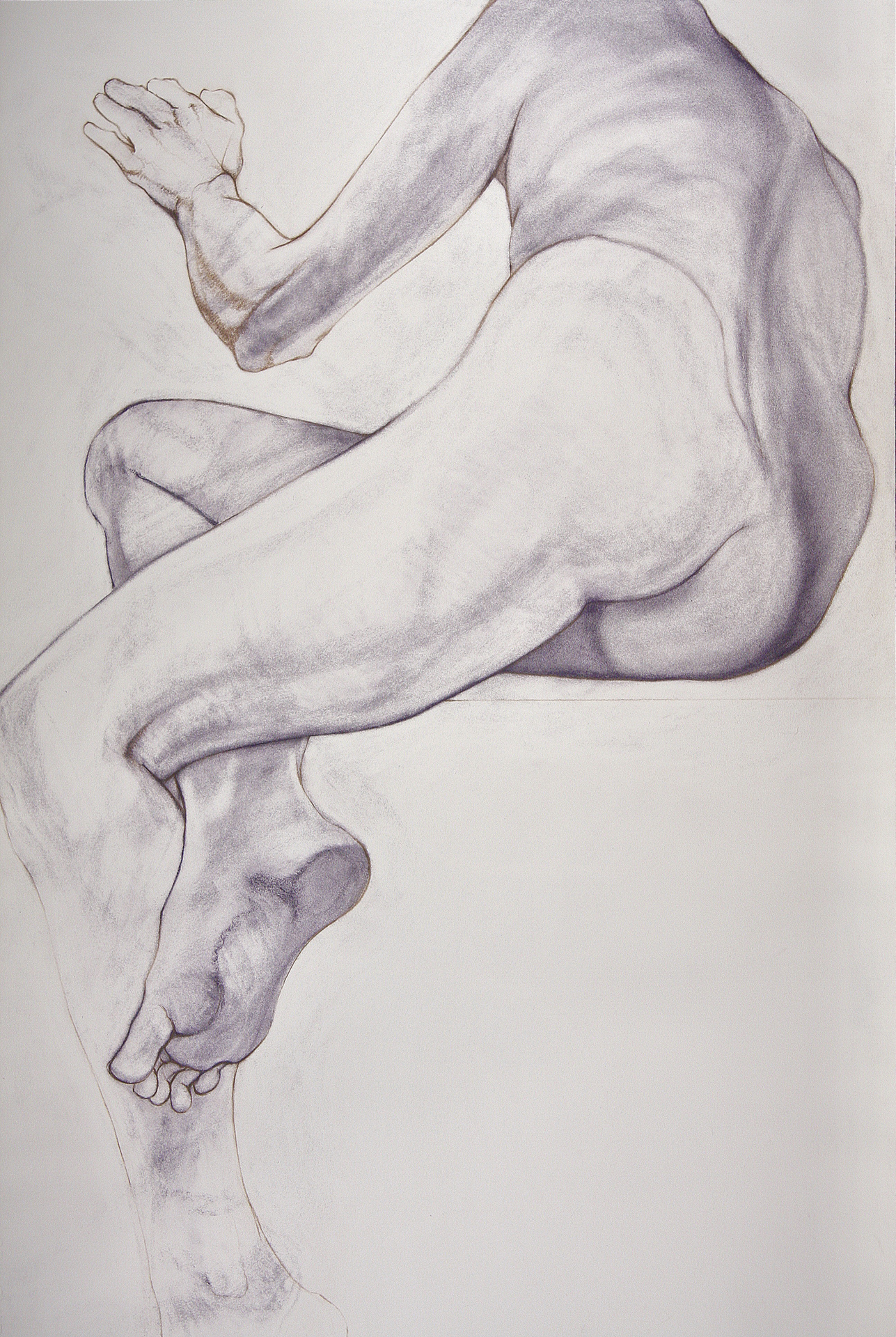
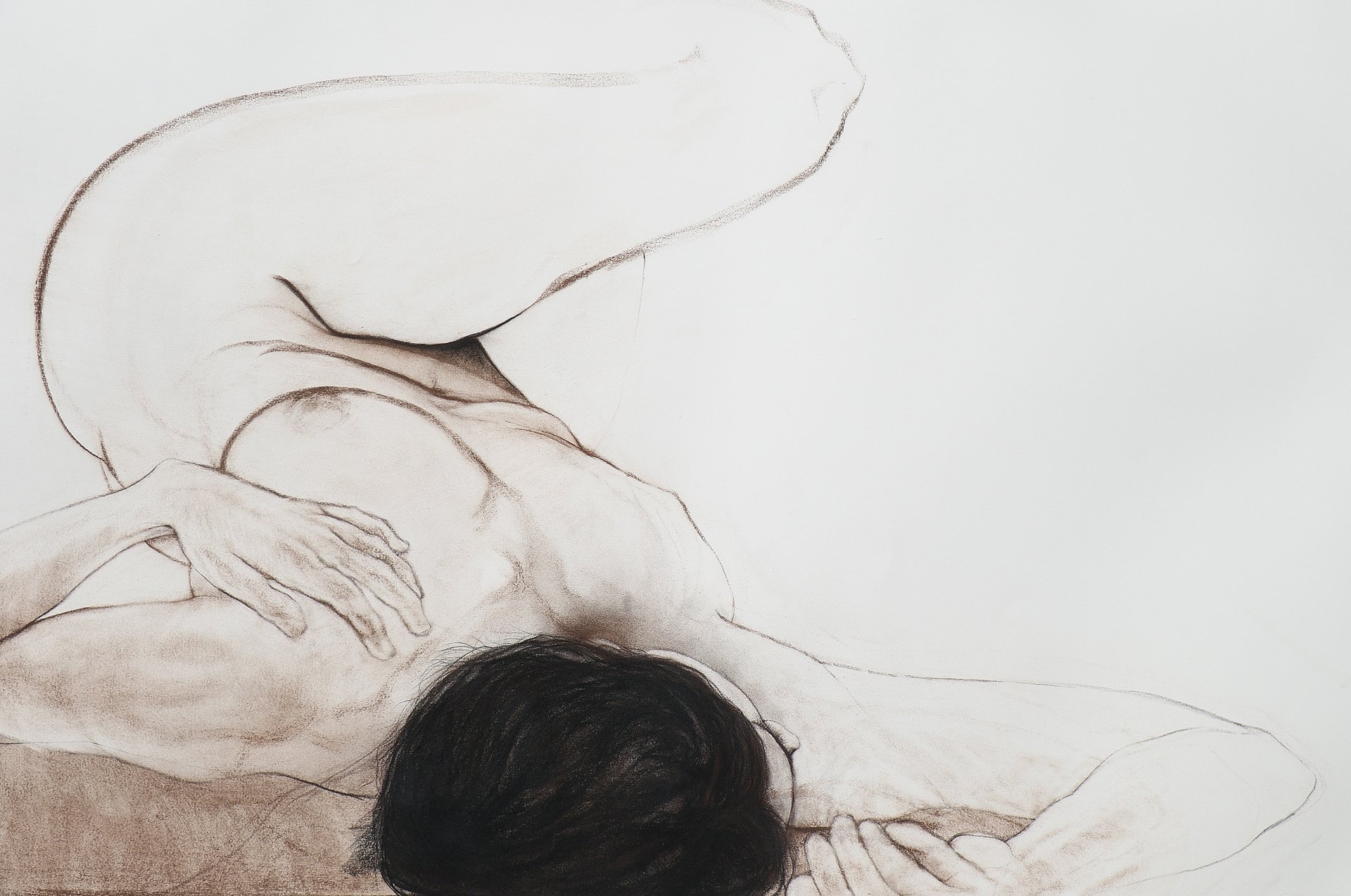
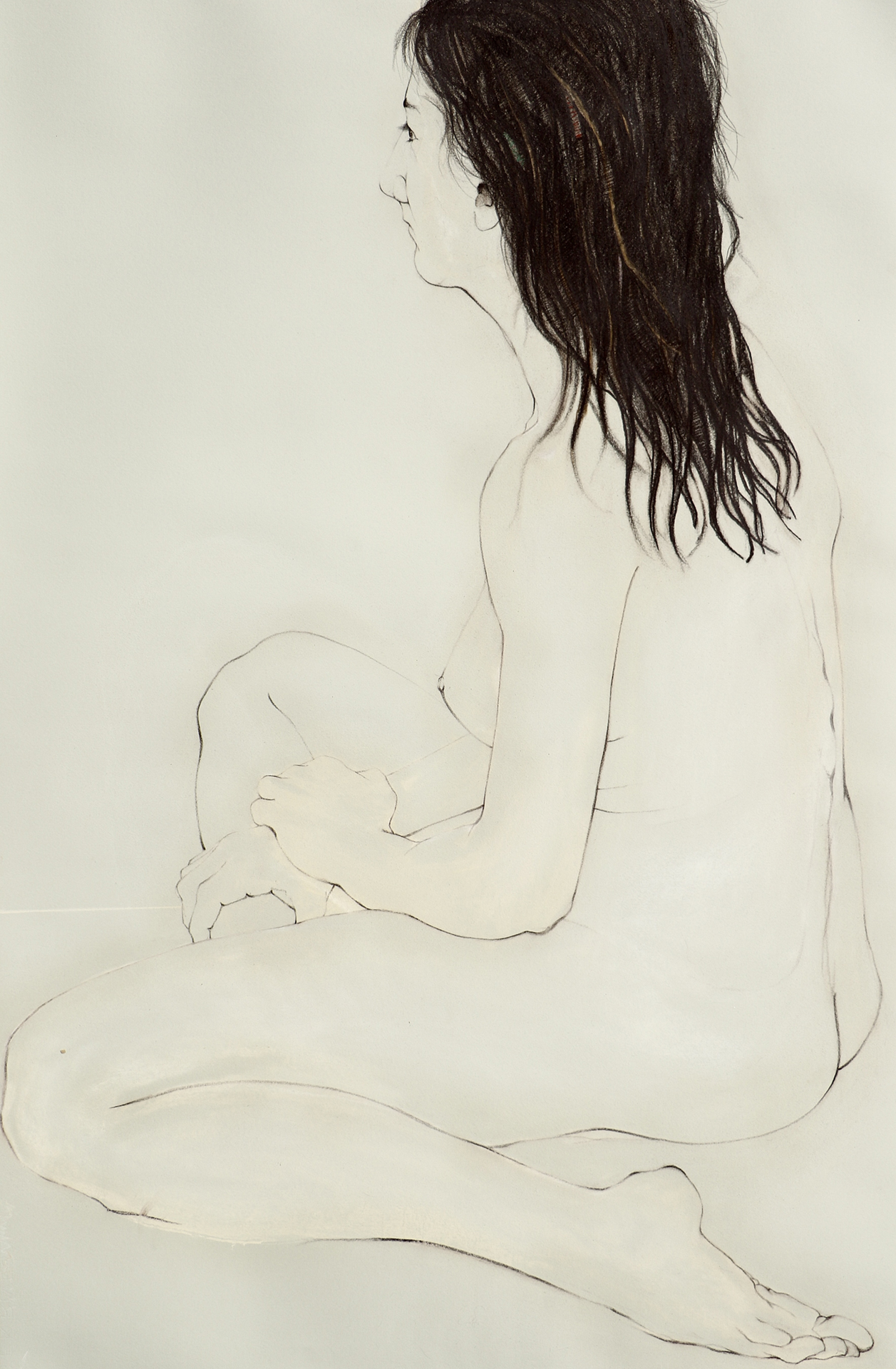
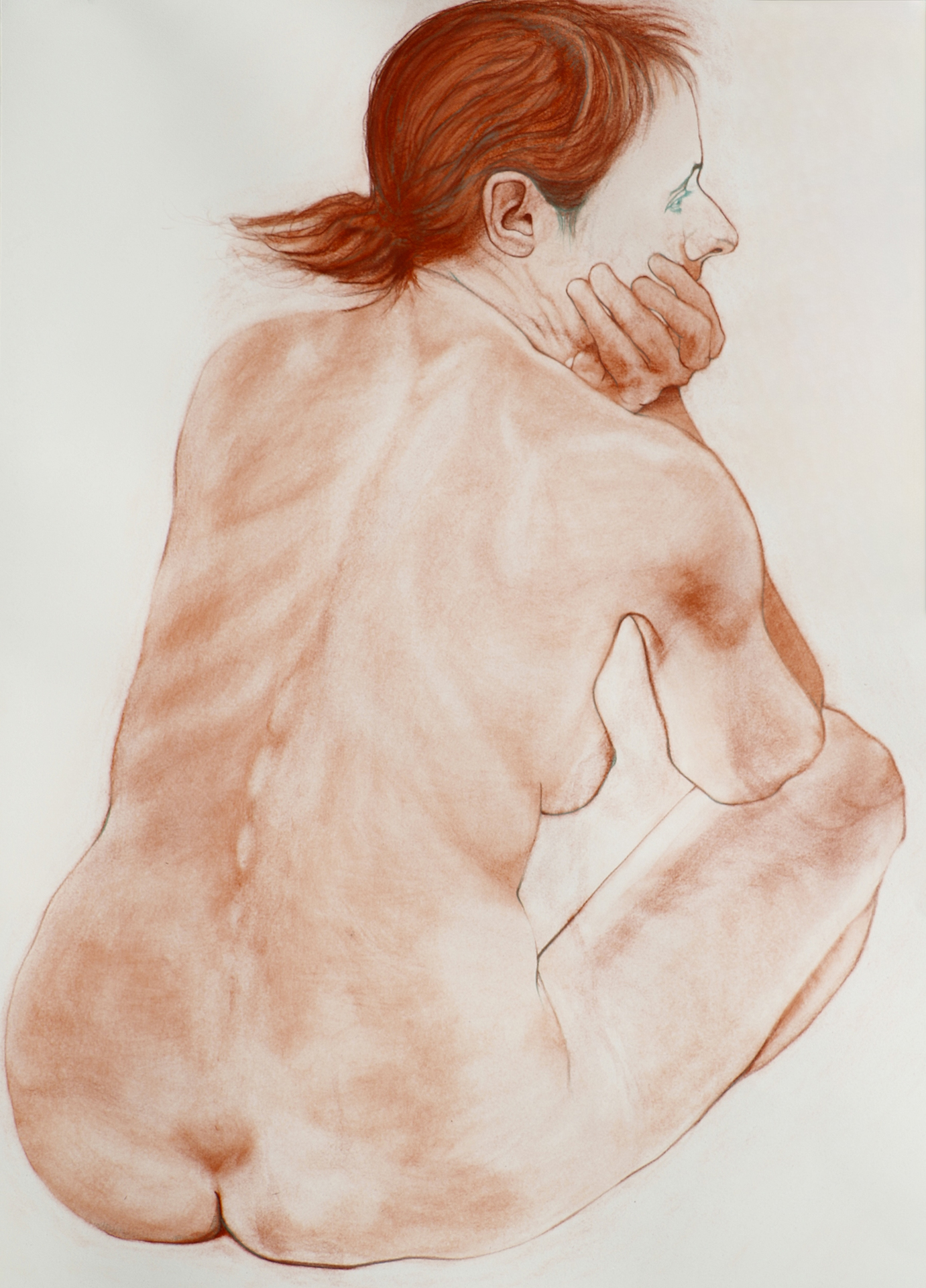
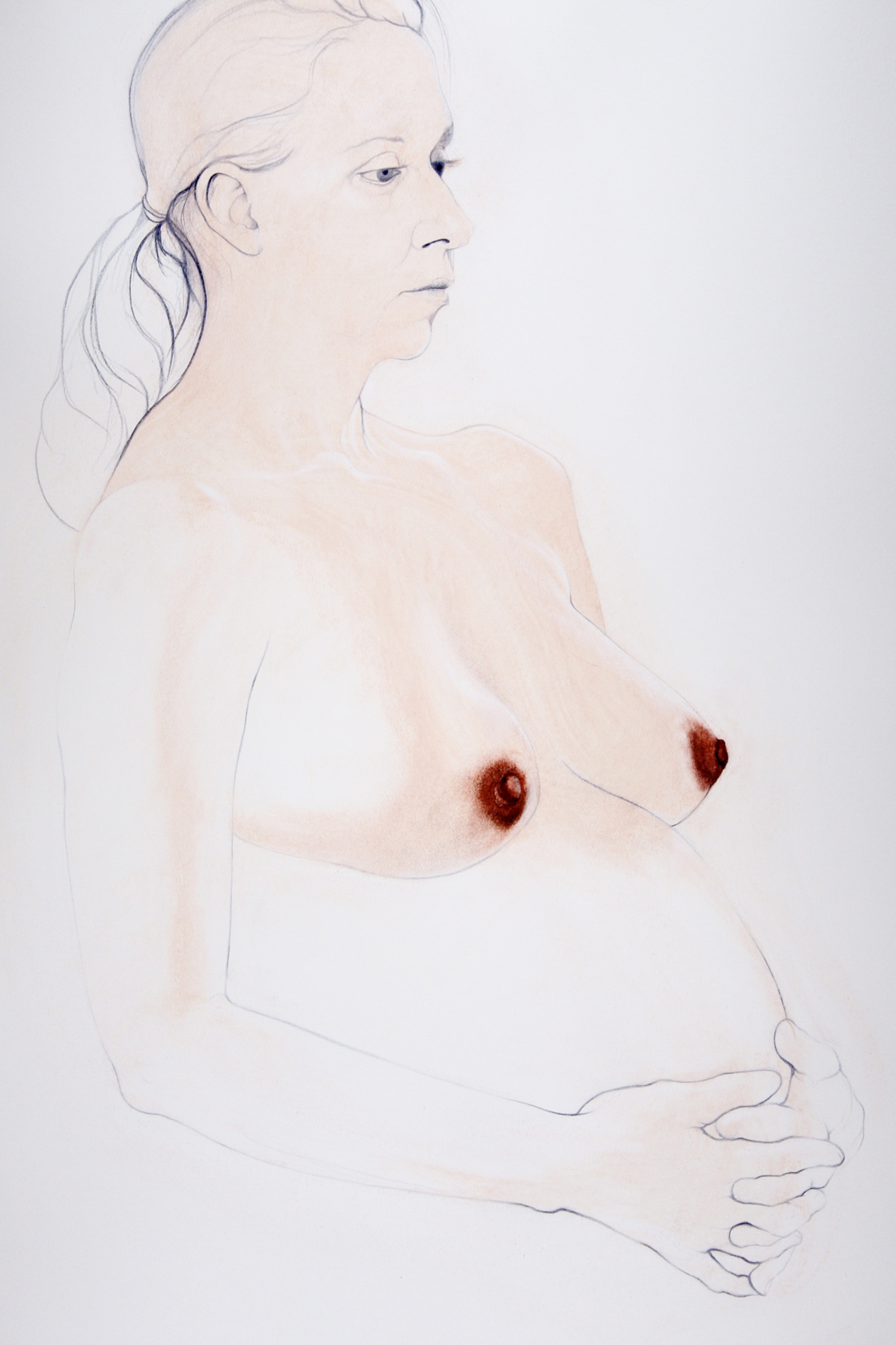
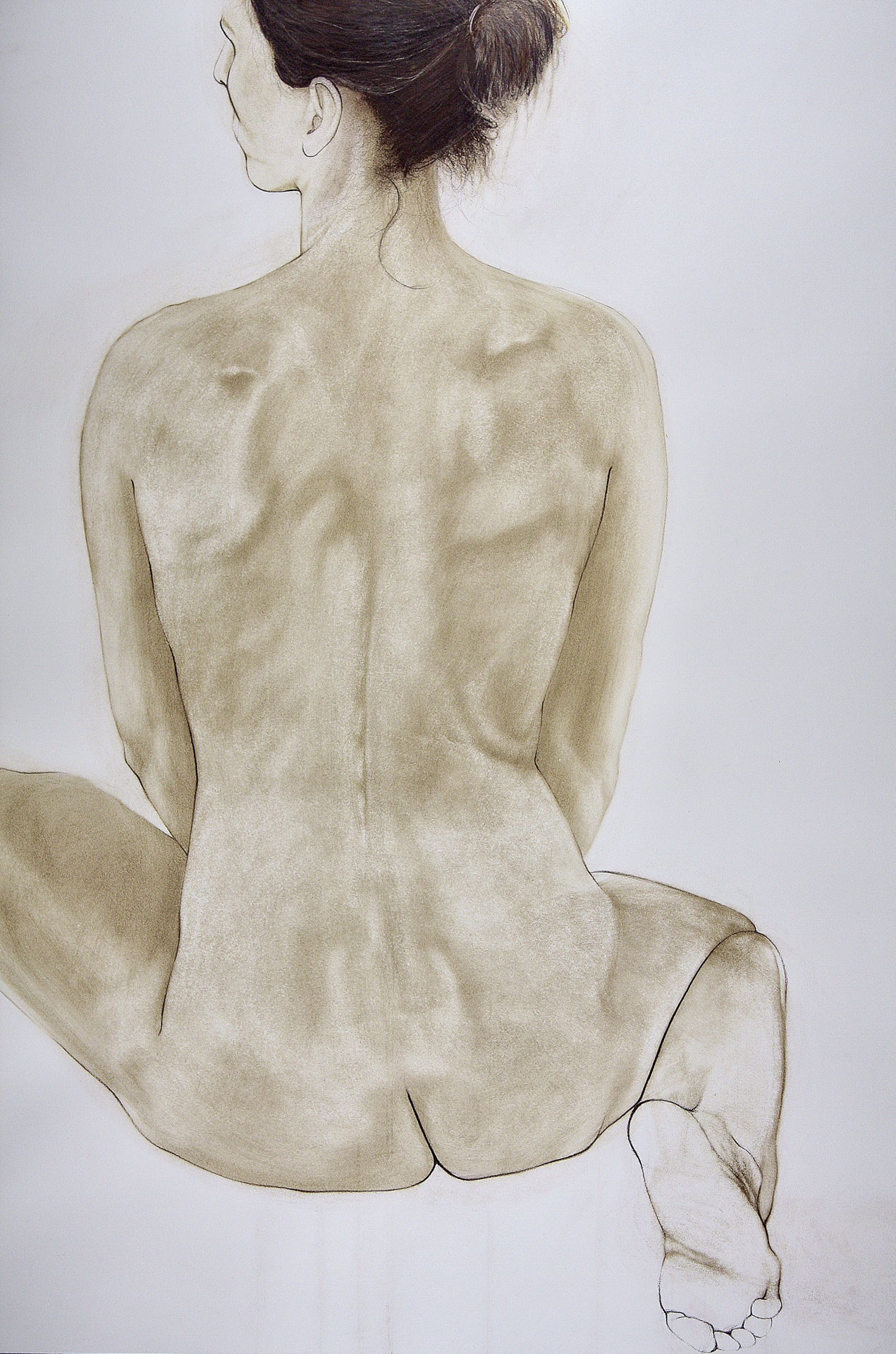
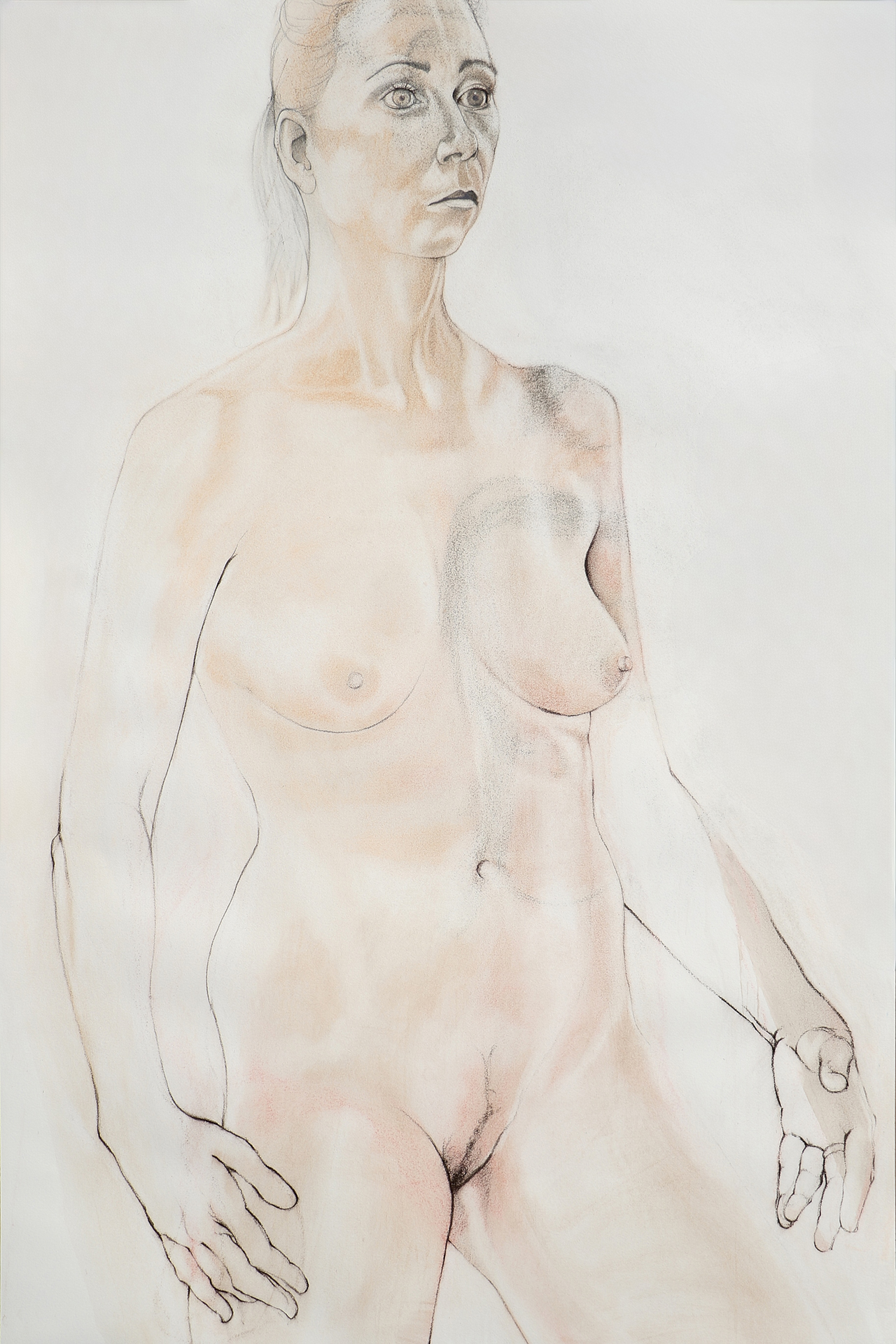
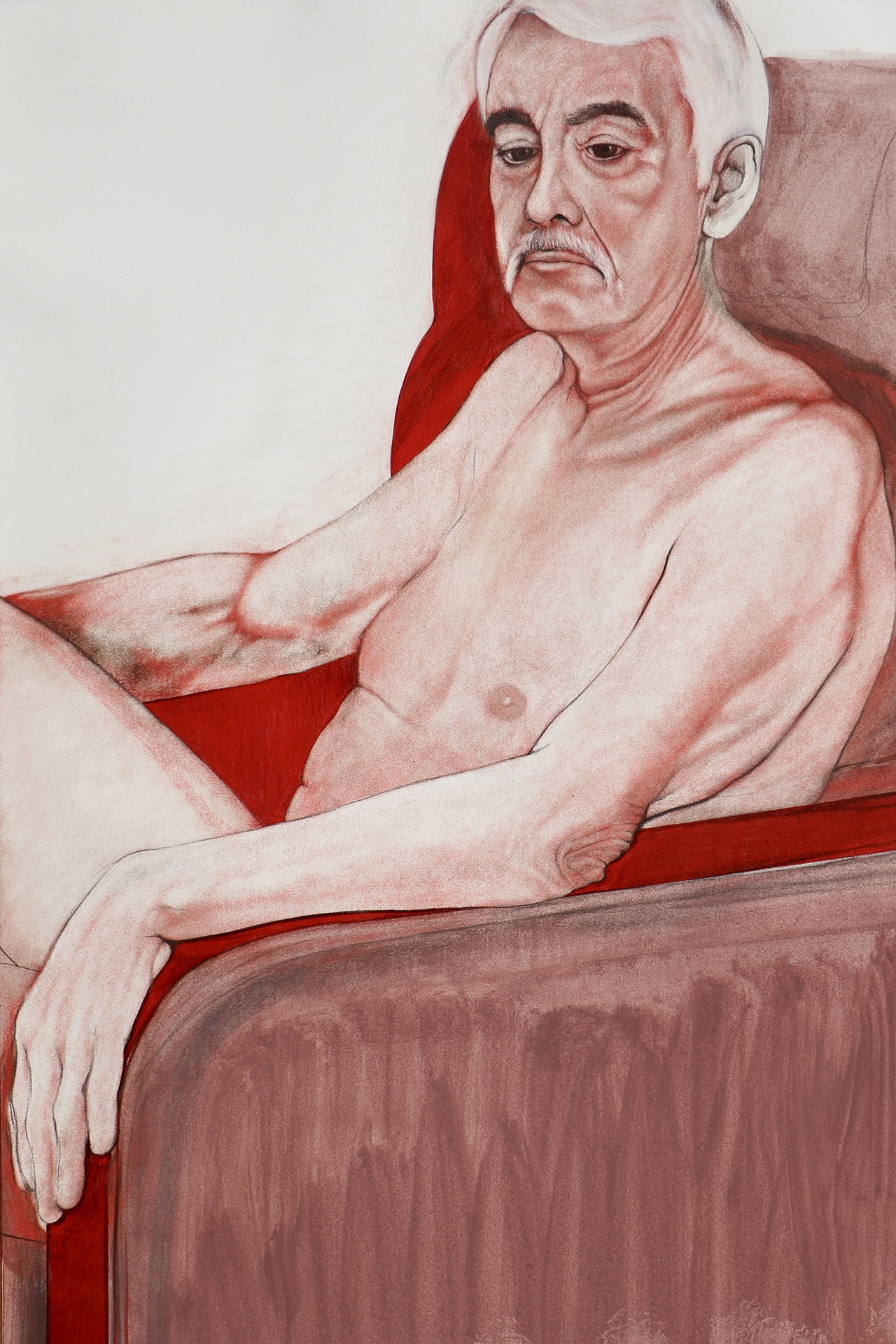
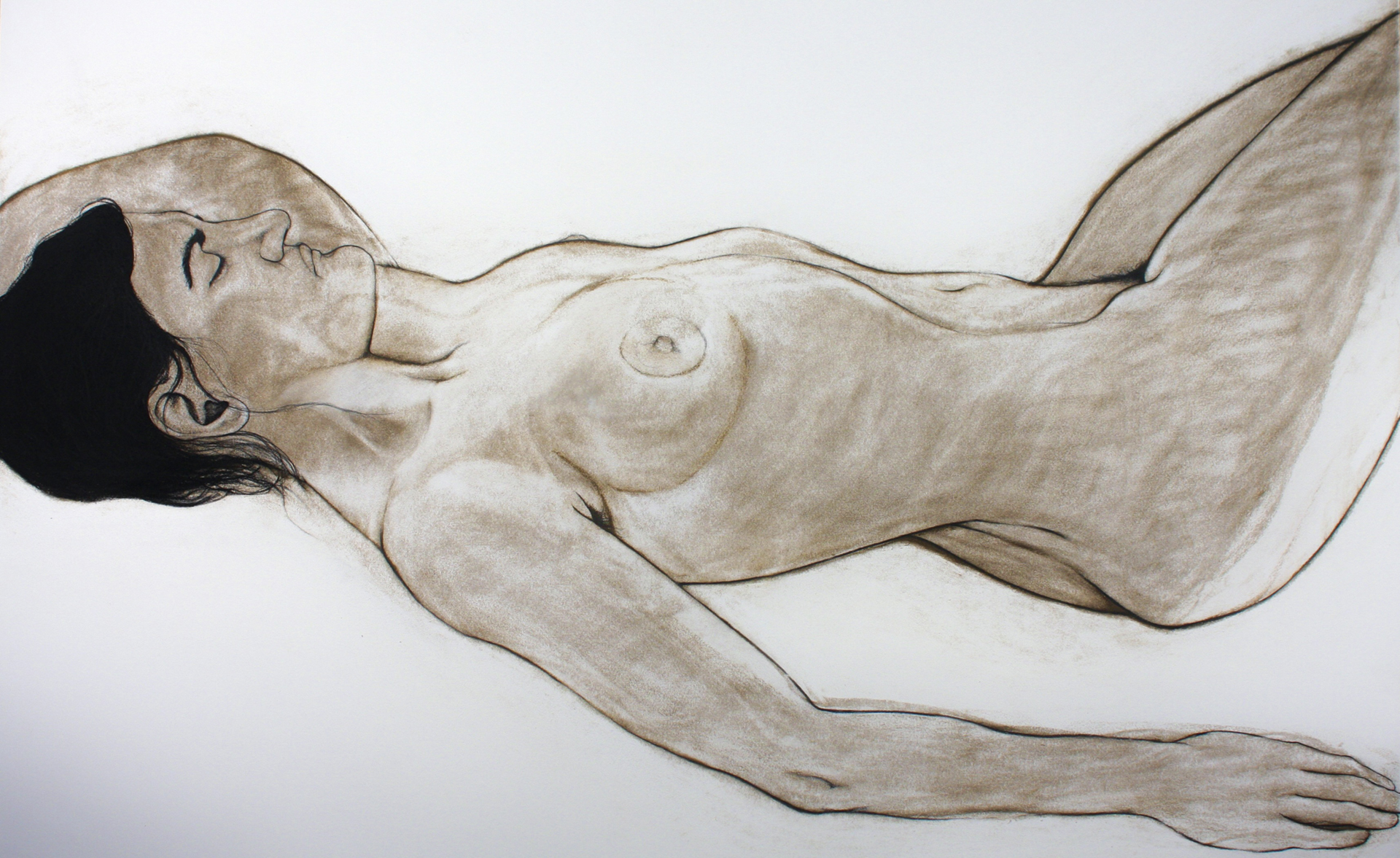
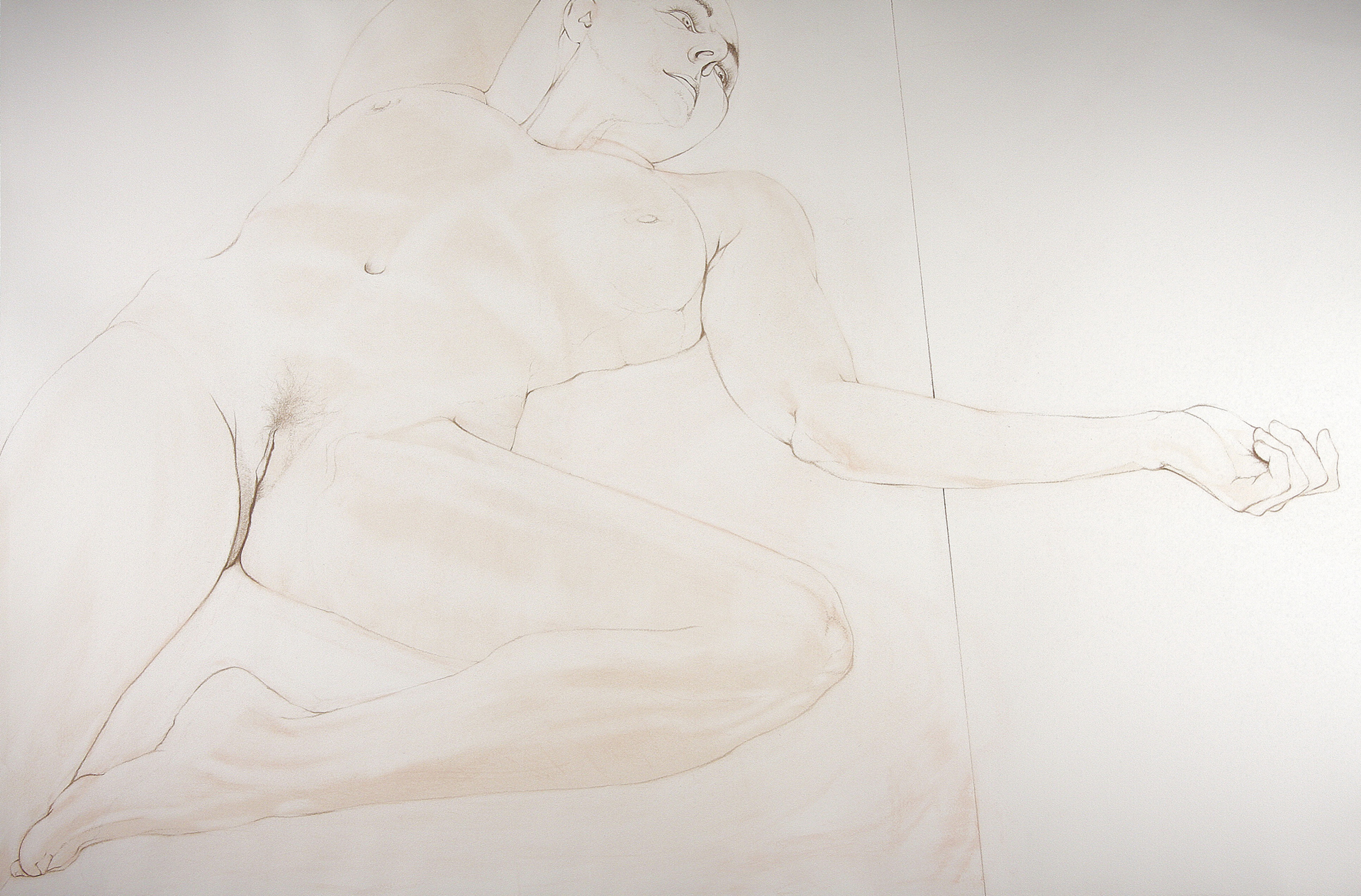
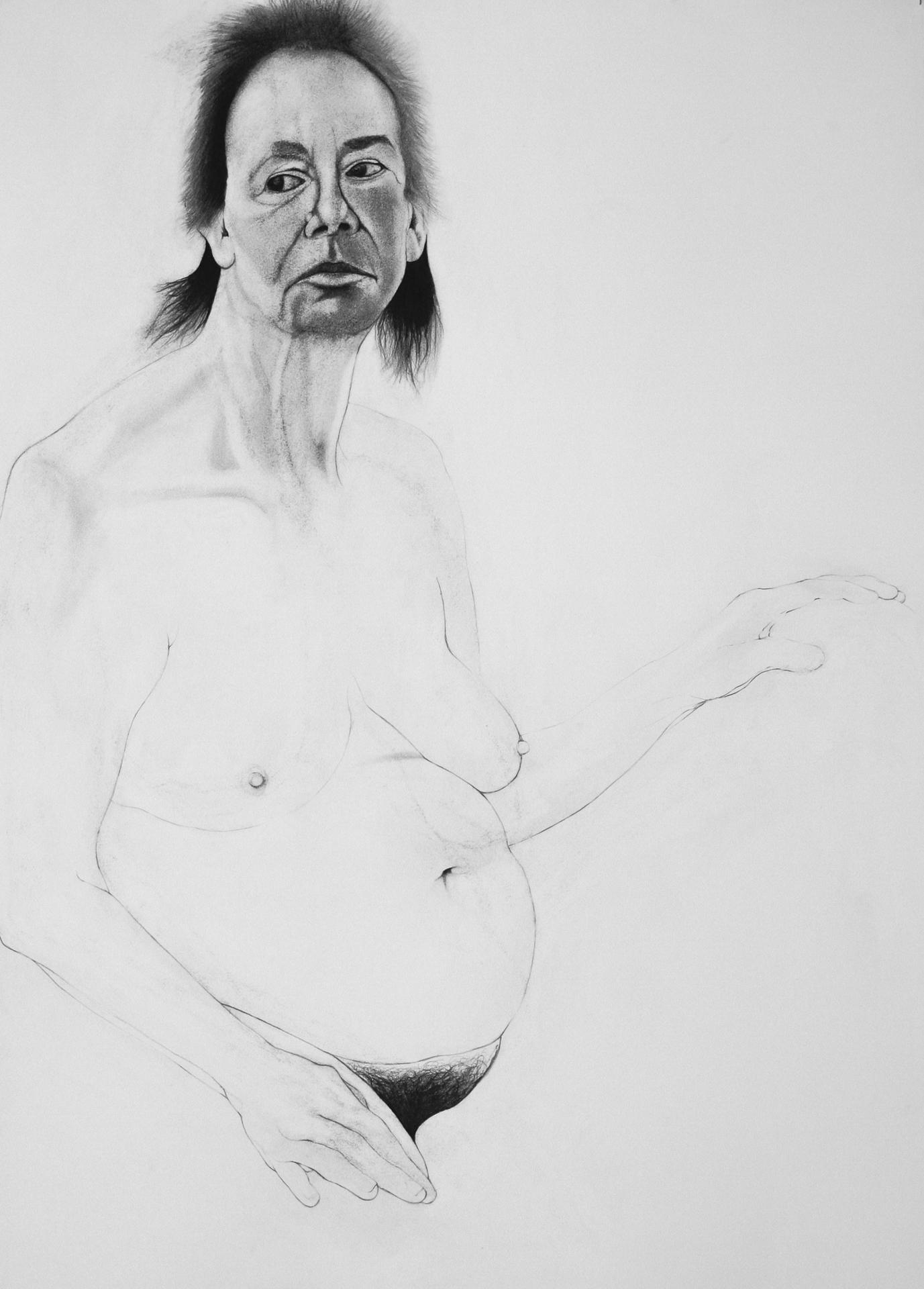
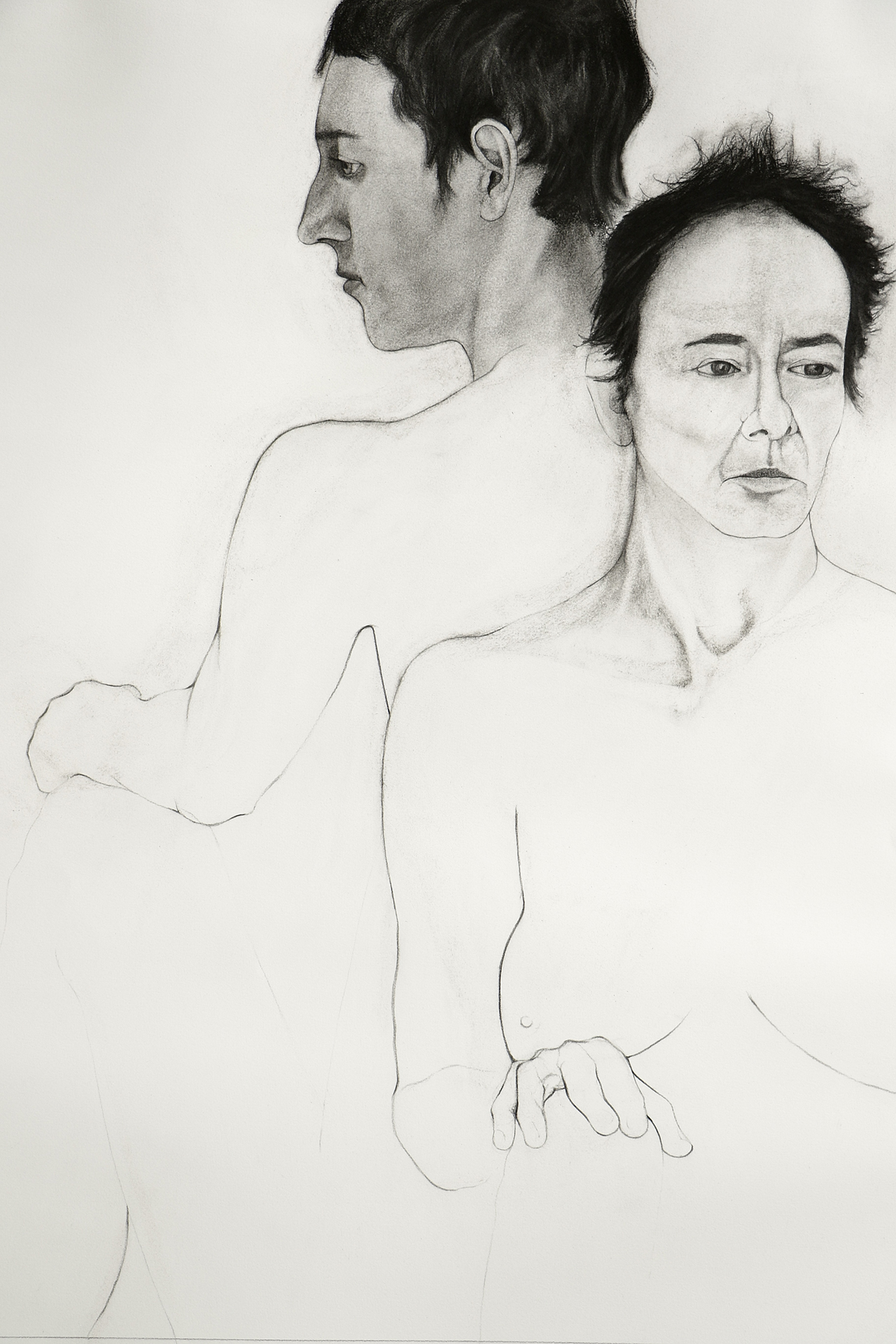
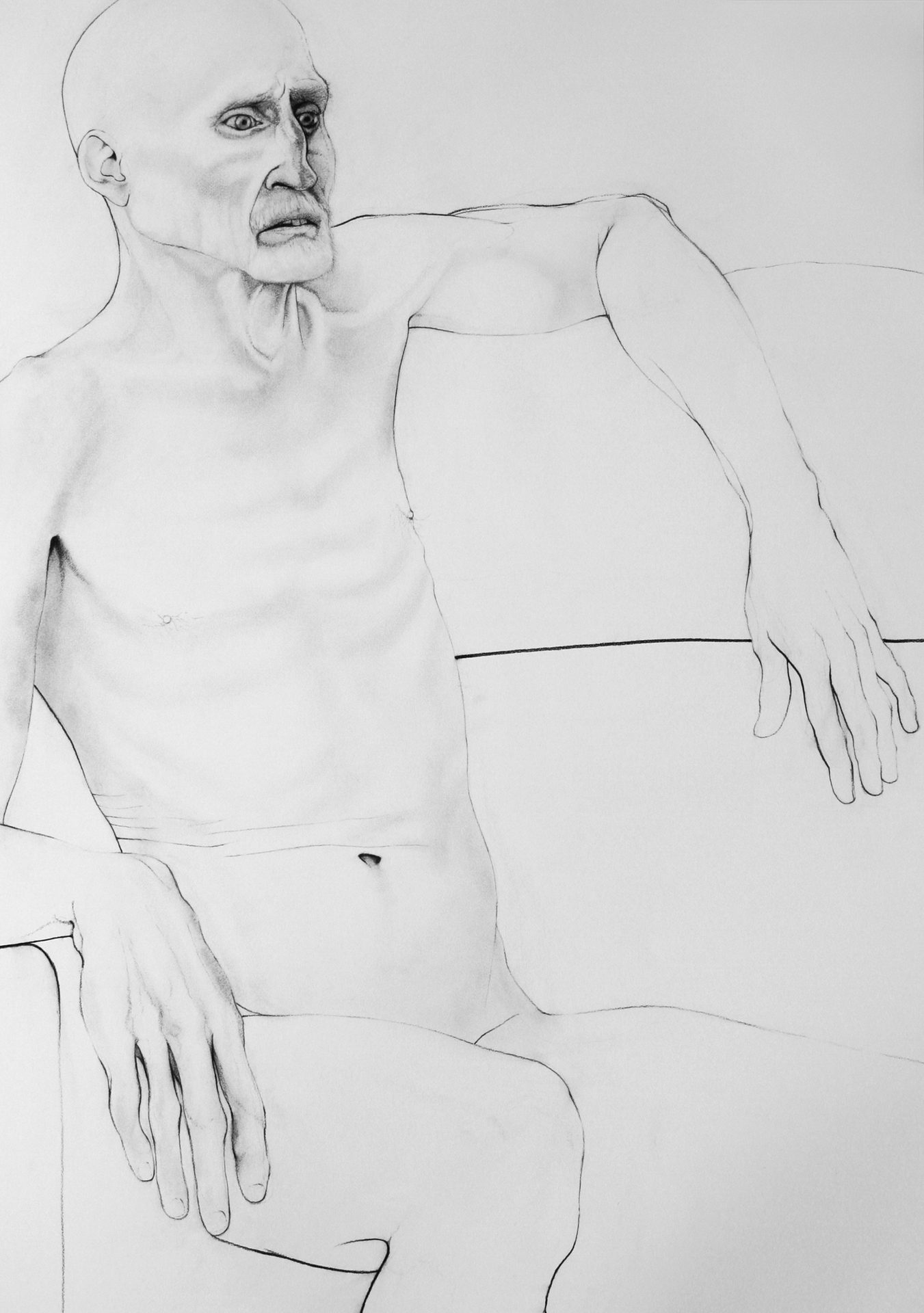
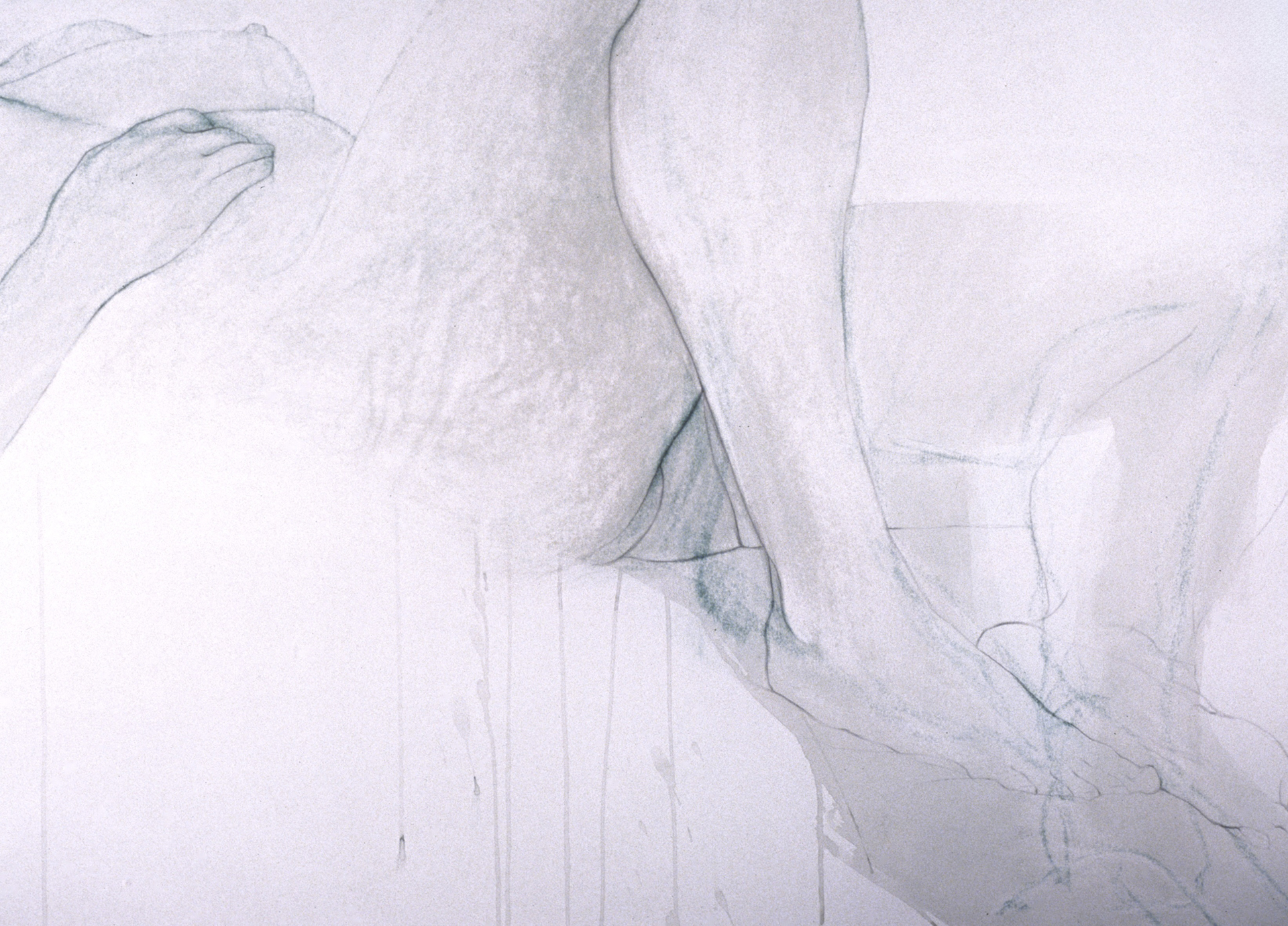
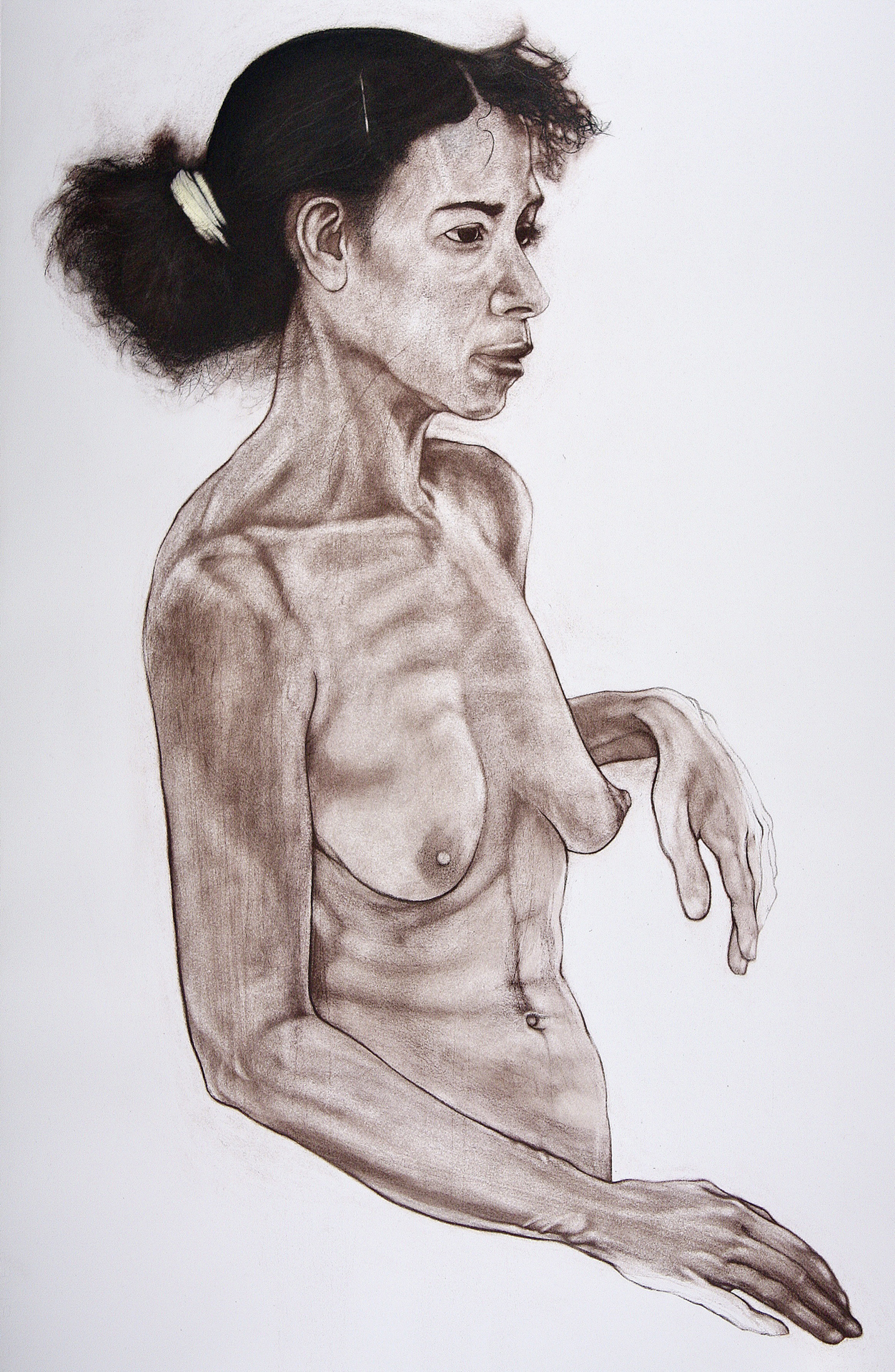
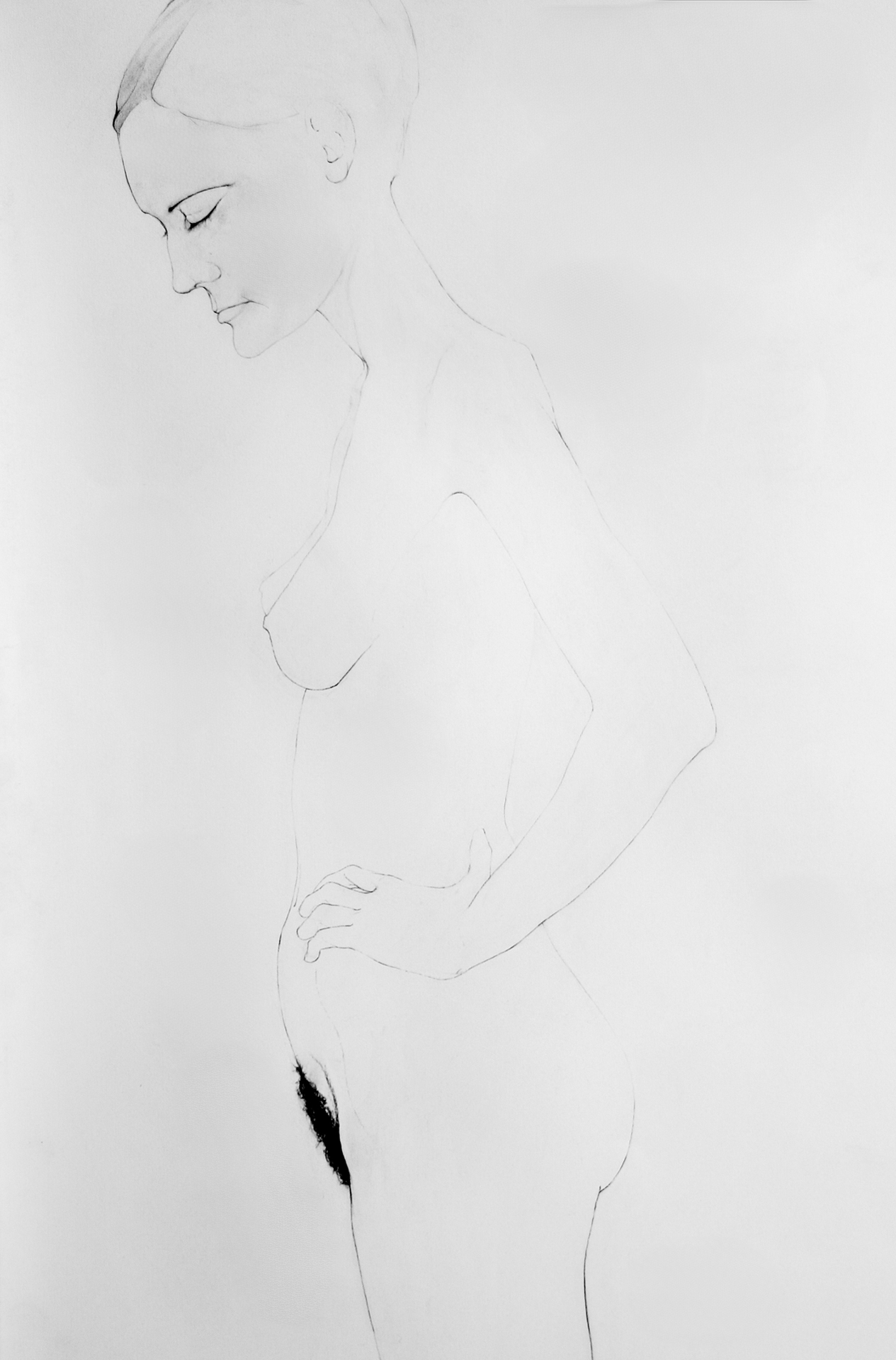
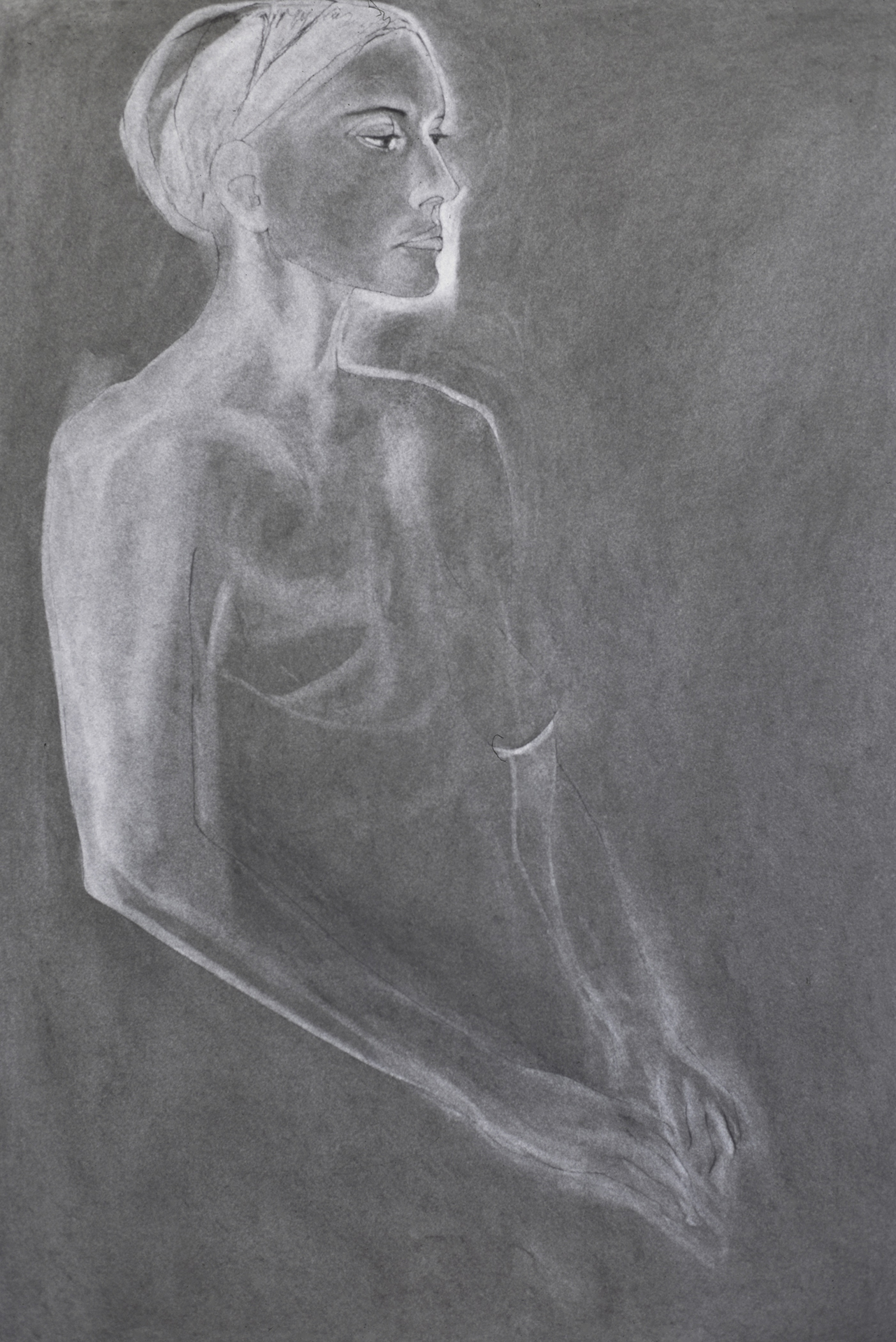
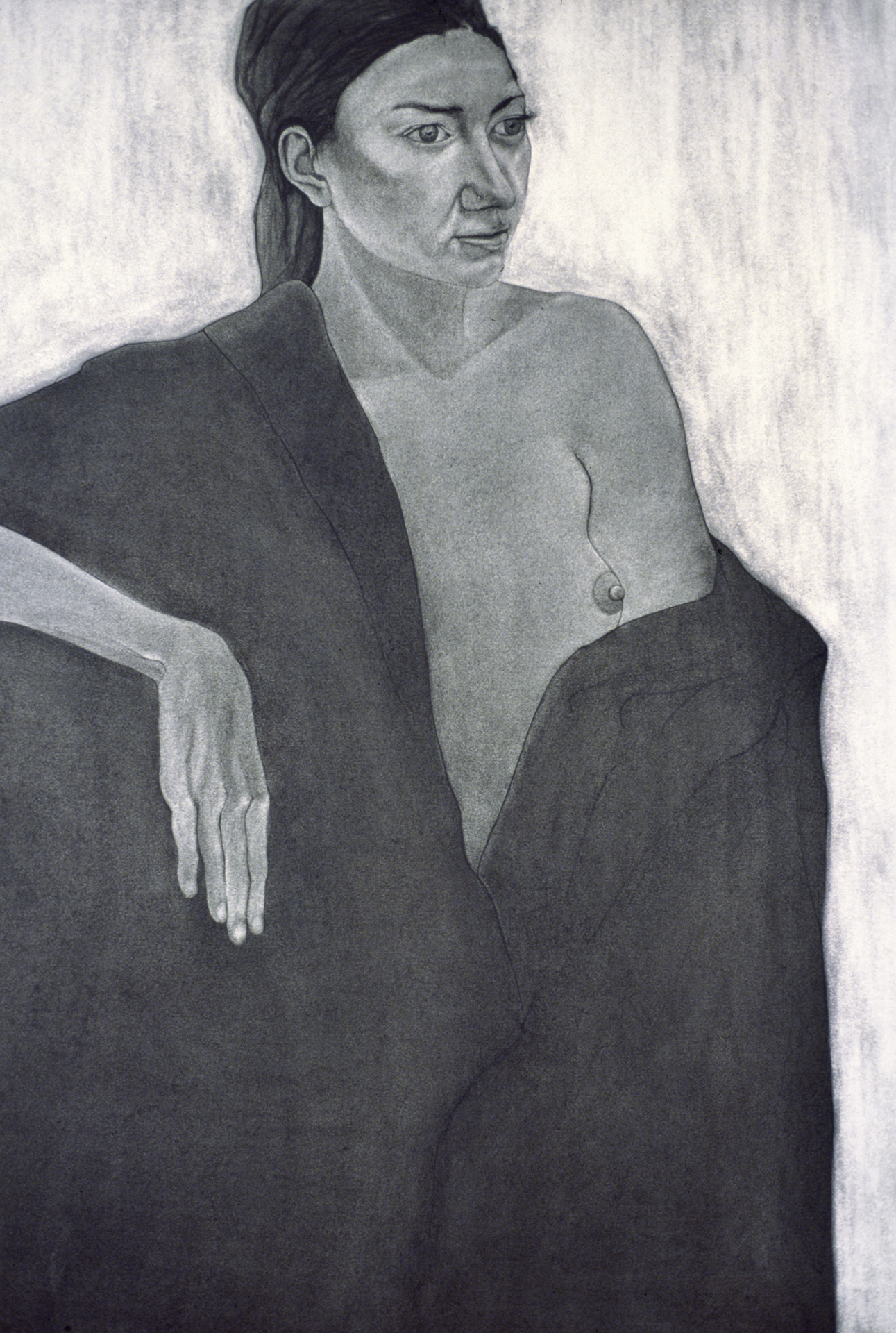
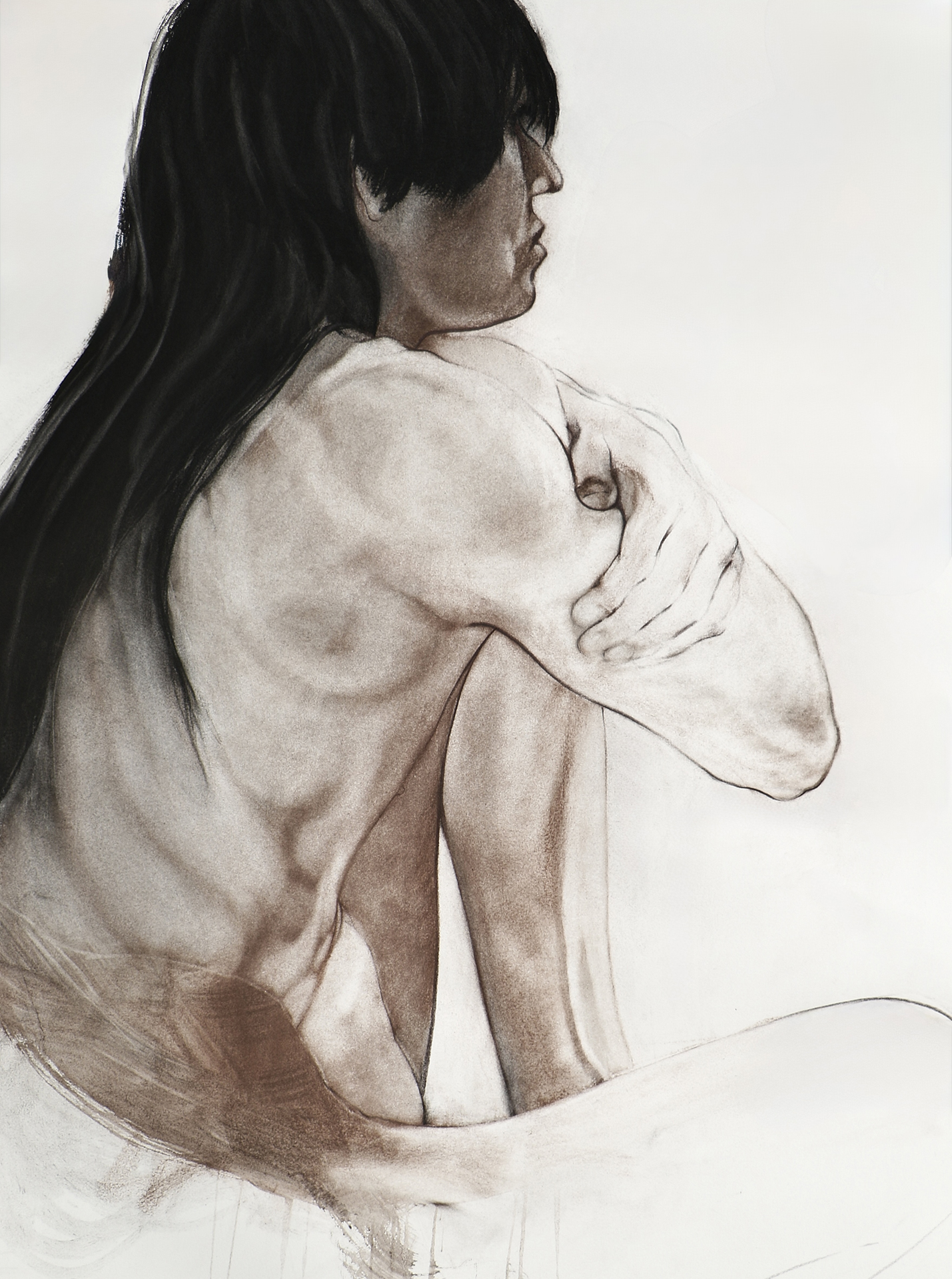
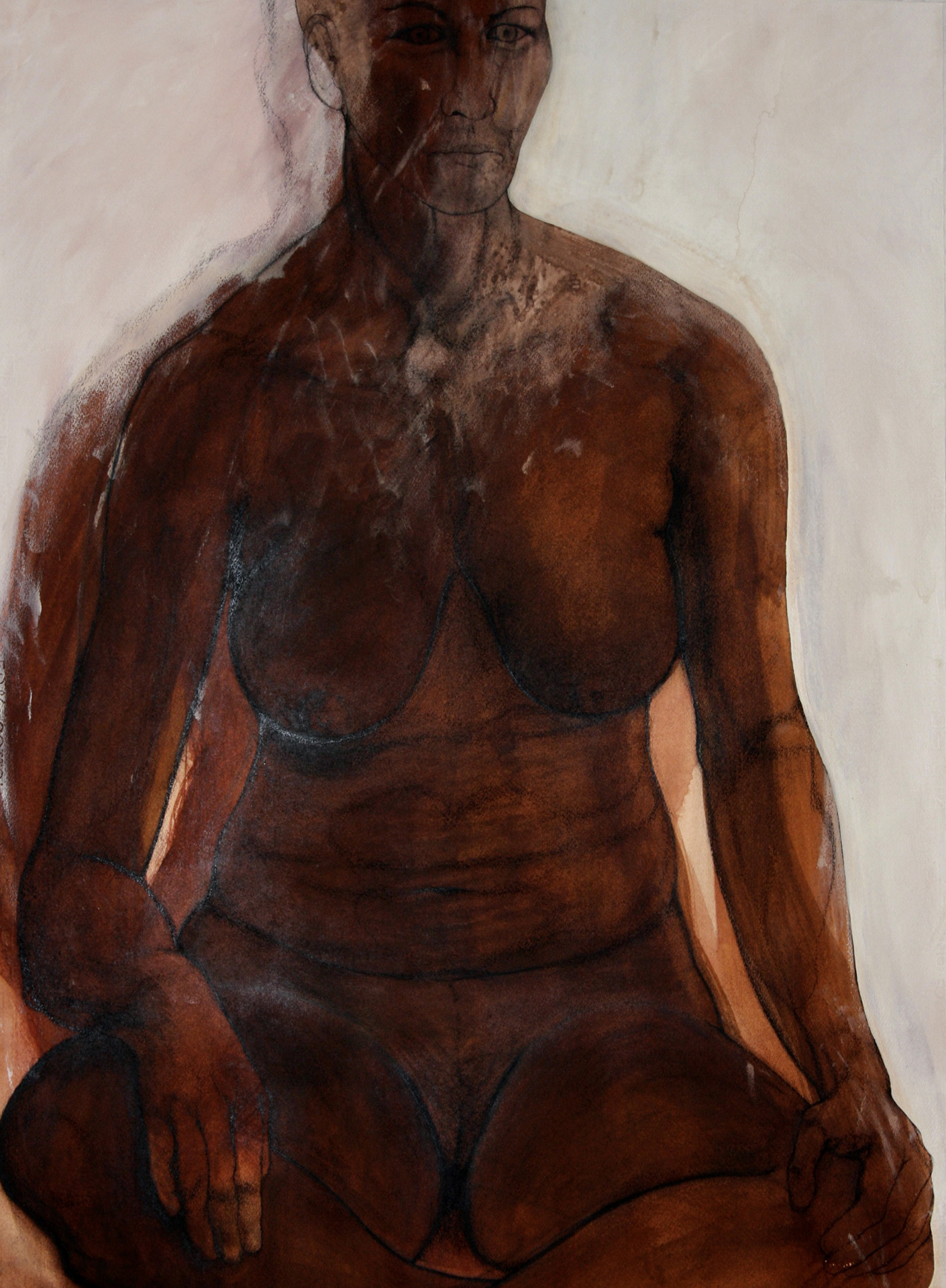
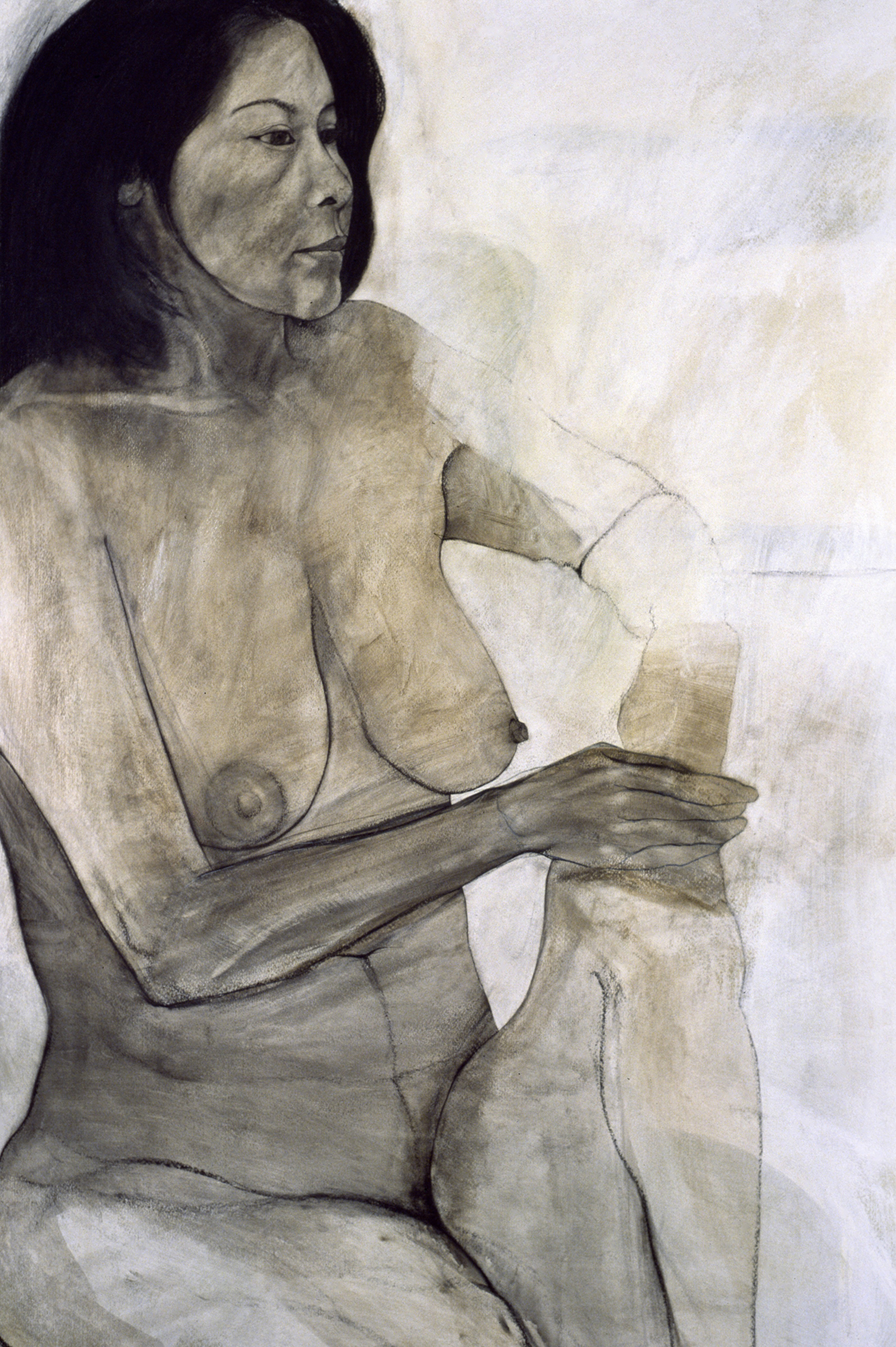
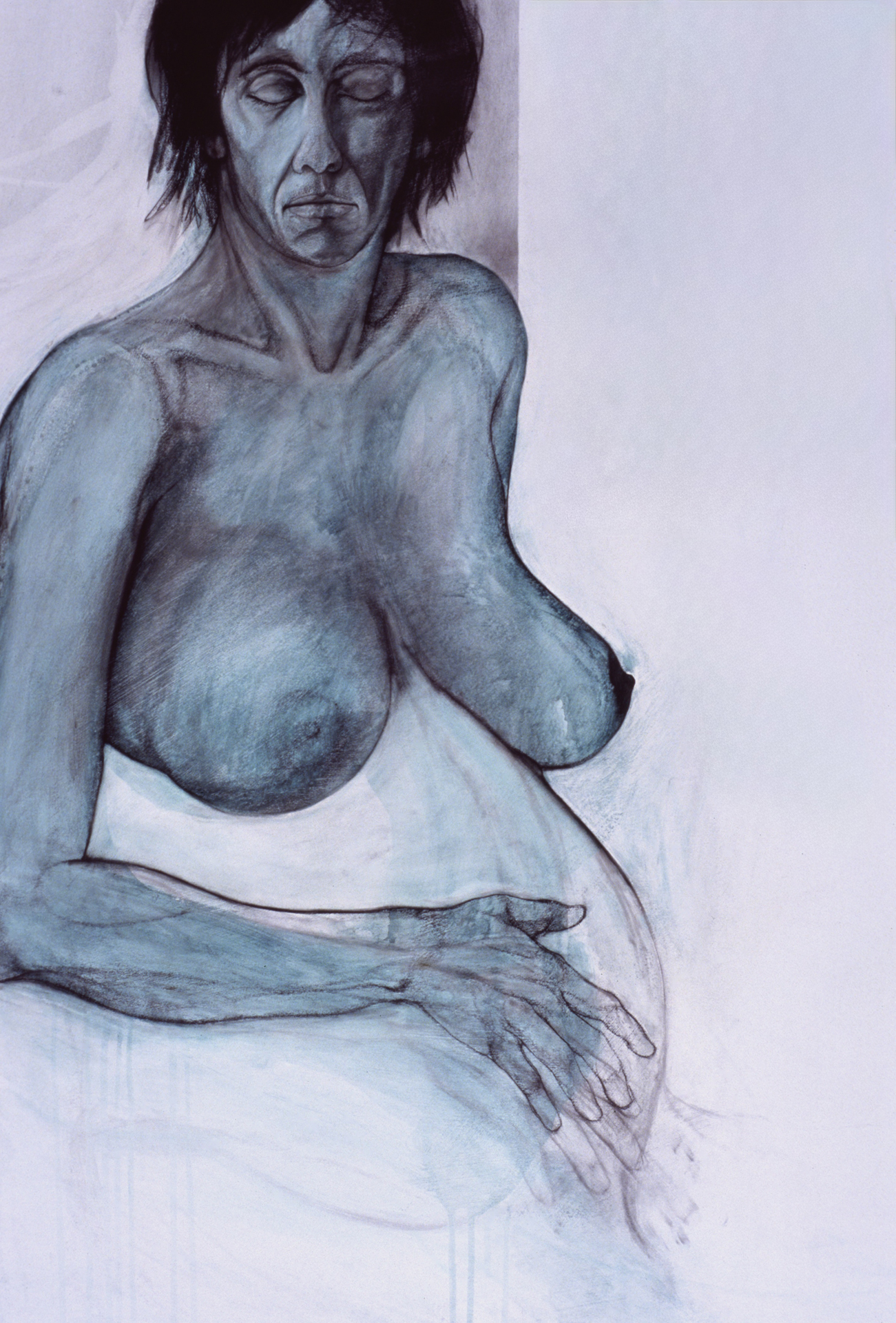
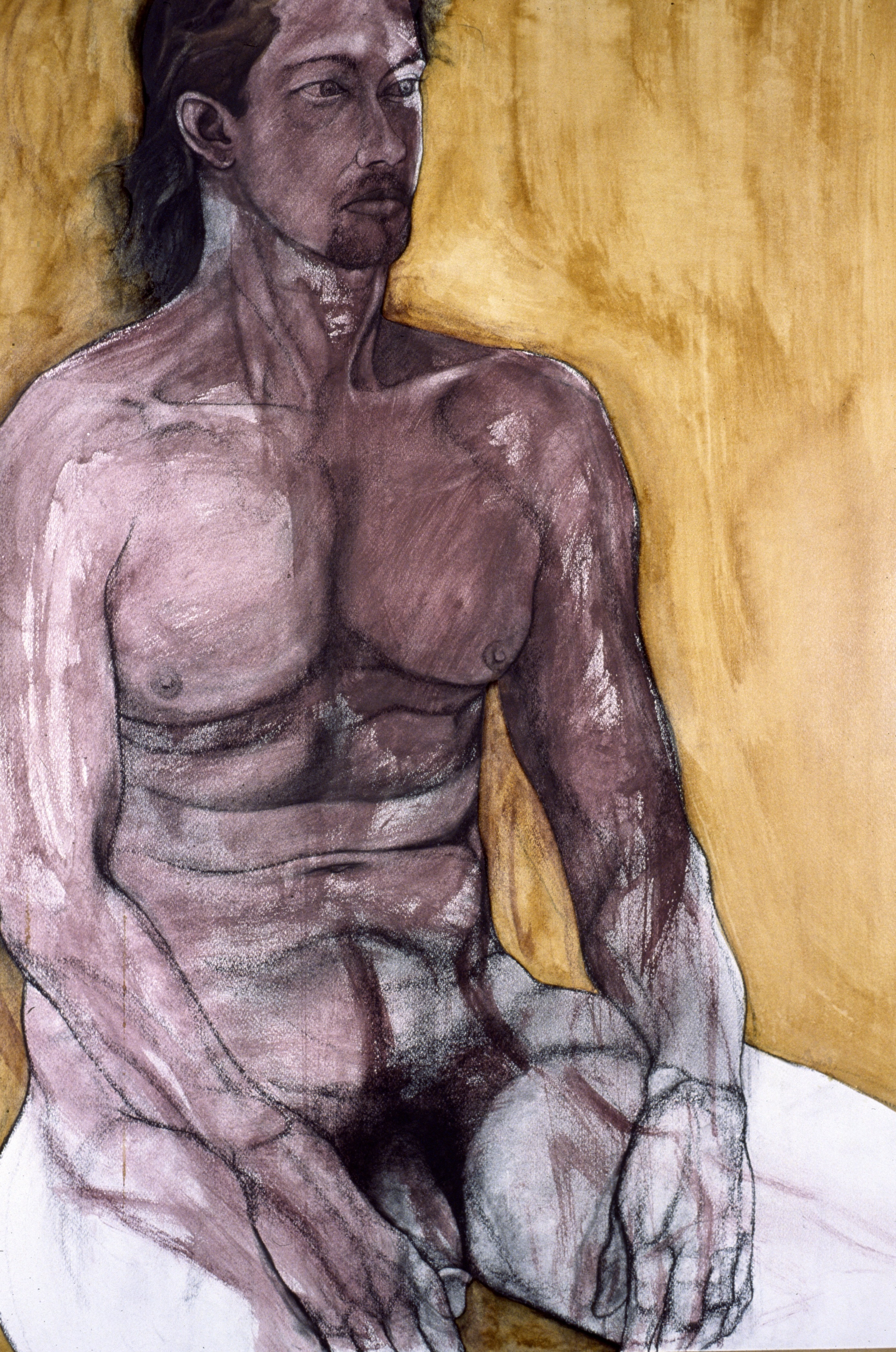
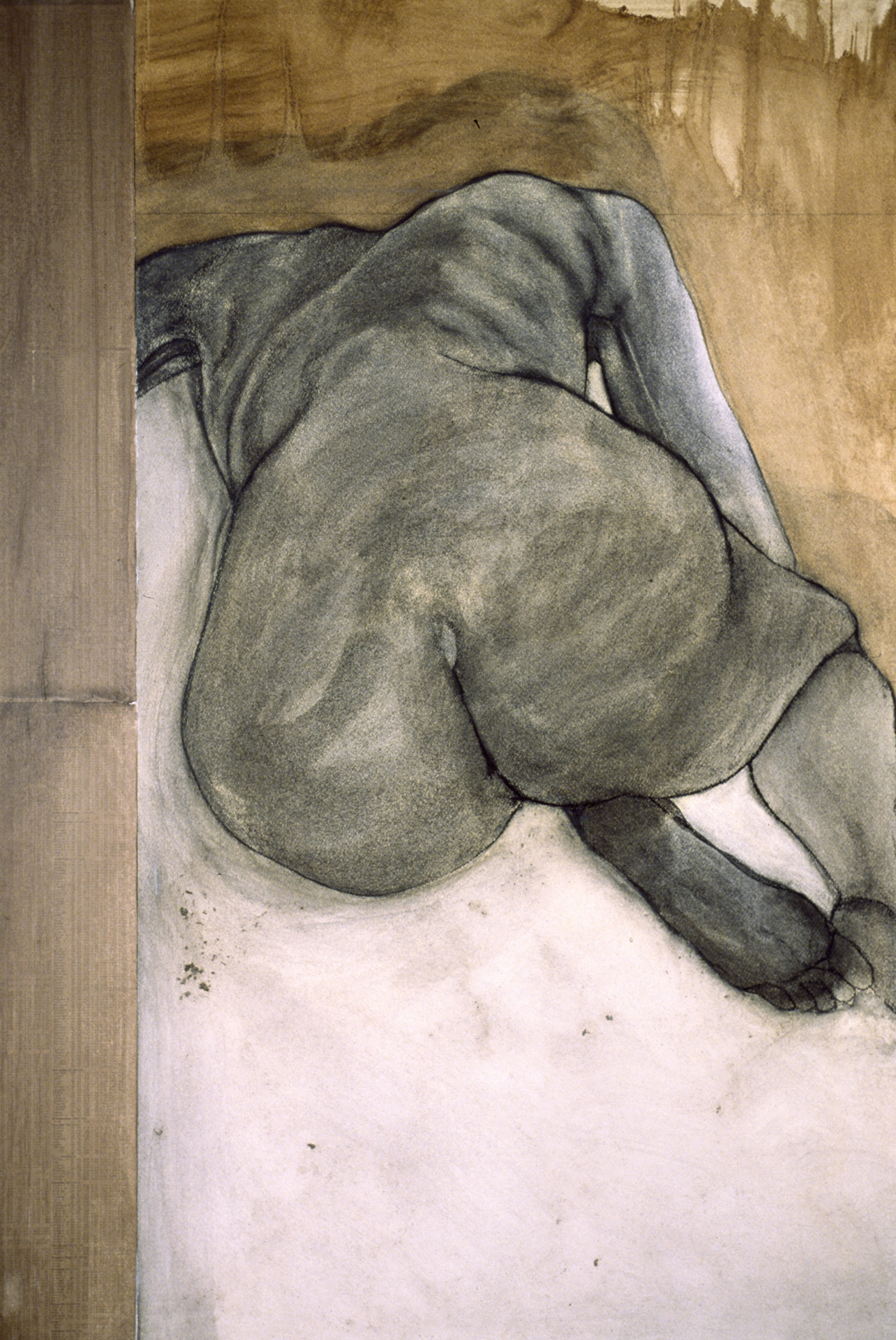
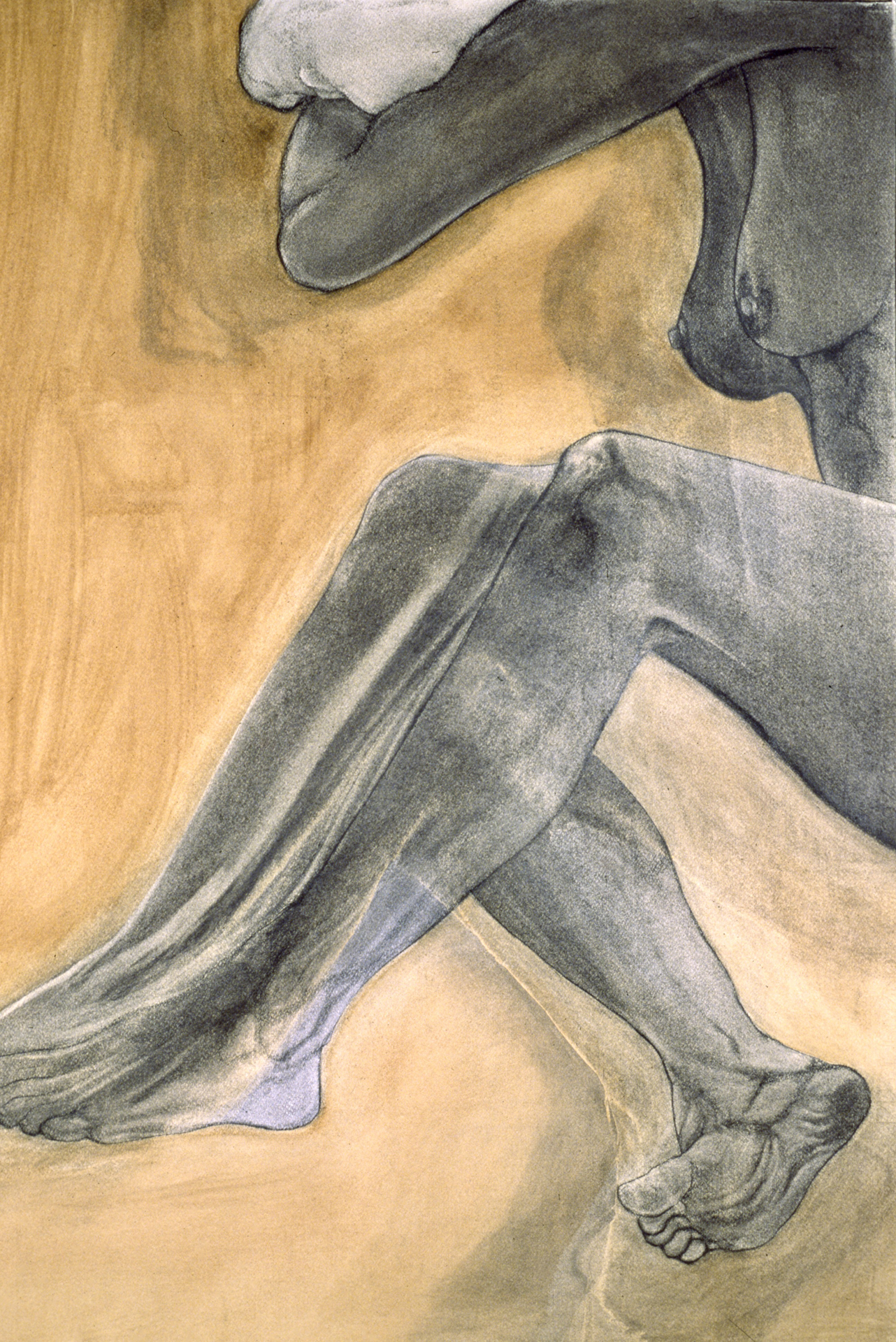
A few months before I began my studies as a fine arts major at Utah State University, my desire was to become a smokejumper for the U.S. Forest Service. Having grown up in McCall, Idaho, a major smokejumper training base, I longed to parachute into fight wildfires. But that dream was shattered before I even began filling out the application. At the top of the form was a note that read: those who wear eyeglasses should not apply.
Disheartened, I turned my attention to becoming an artist and as a seasonal fire fighter. What could be better than cutting line during the summer, which would then support my art practice the rest of the year. In 1986, I enrolled in the Forestry Summer Camp at Utah State University and began a secondary degree in forestry.
After finishing the six-week course, I was offered a job to work out of Pinedale, Wyoming on the Bridger-Teton National Forest. Before starting my job, I headed for a week-long bike tour through the Canadian Rockies. When I returned, the job offer had been rescinded. Because of the federal government’s nepotism laws, I learned that the Forest Service could no longer hire me. I returned home and a week later, using nepotism at my disposal and my Father’s influence, I got a job as a paid volunteer on the Unita National Forest, the same forest that my Father worked on. Since I had earned my Red Card at the Forestry Summer Camp, I was certified to begin fighting fires. I spent the next several weeks maintaining campgrounds and waiting to be called on fires.
At the end of the fire season, I had one more year before graduating with a BFA in drawing and returned to Utah State. I had already spent four years studying under my mentor, the master draughtsman, painter and sculptor, Adrian Van Suchtelen, mastering figure drawing. But now with Adrian on sabbatical, I began working under Alice Briggs, who had returned to Utah State as his sabbatical replacement. Alice would introduce me to a whole new world of art. She took time to mentor me and prepared and helped me get into graduate school. My career as an artist has been so full of serendipities, but this was perhaps the first of many to come.
Although my desire to labor as a fire-fighter was still strong, I now found myself holding a yellow #2 HB Ticonderoga or a General’s charcoal pencil instead of a shovel, a Pulaski or McLeod. At Utah State, figure drawing had become my passion. I continued that love for three more years in Iowa. Figure drawing would also help get me my first teaching job.
A few years after getting my MFA, I was setting up an installation in the Slusser Gallery at the University of Michigan. One morning, the Associate Dean of the School of Art & Design, rushed into the gallery looking for me. It was the beginning of the 1997 fall semester and students had assembled a sit-in inside the Dean’s office. They were demanding that a second figure drawing class be offered. The singular figure drawing course was already full, which meant students were being forced to put off graduating in order to take this required class. I had already been teaching Drawing II classes, with an emphasis on installation art as an adjunct professor two years earlier, but I had never taught figure drawing. The associate dean knew my educational experience of working with the figure and that I was currently in the building setting up an installation. He came running into the gallery asking for my help. I agreed and the following week I began teaching my first figure drawing class.
For years, I knew how important figure drawing was in an artist’s education. But this experience taught me something else. The power of protest, of ethics and integrity, and that the individual is more important than the institution. My students had been demanding what they deserved and they weren’t going to give up until they got what they wanted – the opening of a second figure drawing class.
In the summer of 1998, my family moved to Flagstaff, Arizona, where my wife had accepted a teaching position at the Northern Arizona University. I thought I would also be teaching within the School of Art because of the university’s spousal accommodation policy. But the Art School had no desire to hire me. Finally, I was invited to teach a month-long figure drawing course in the summer of 1999. For four weeks, I taught for four hours Monday through Friday.
At the end of that summer, a week before the start of the fall semester, I found myself in the office of the Director of the School of Art. I was being asked by my supervisor and the director that I should either resign or they would fire me. During the previous spring semester, my supervisor and I had had verbal agreement that I would begin teaching two classes each semester beginning in the fall. But when the fall class registration catalogue came out, my name was listed to teach four classes.
I approached my supervisor concerned about the mistake that I thought had been made within the course catalogue. She said there was no mistake and that I would be teaching four classes that fall semester. I told her that I was willing to teach two of the classes as we had originally discussed, but not the four. Because of my unwillingness, I was now being asked to resign or be fired. I was then told that she had found someone else to replace me. I was told that this person had been vacationing in the Southwest during the summer and had approached the school about teaching. She also felt that the figure drawing class I had taught that summer had been a failure, and that they believed that I didn’t actually have an MFA.
Because I was unwilling to resign I was immediately fired.
To make a long story short, I found myself teaching an advanced figure drawing class the following spring 2000 semester. The School of Art had been ordered by Affirmative Action to schedule two classes for me to teach. For the next eleven years, I became the sole instructor for all figure drawing classes. I taught Anatomy for Artists, Figure Drawing I and Advanced Figure Drawing and also independent study classes for students who wanted to focus on figure drawing. For ten of those years, I also coordinated open figure drawing sessions on Tuesday evenings for three hours from 7:00 till 10:00 for students and community members. Eventually these weekly gatherings were moved to Friday mornings when no other art classes were being offered. We would draw from eight till noon, giving those who loved to figure draw four solid hours to draw, paint or sculpt the figure.
My passion for figure drawing marched on for eleven years until the spring semester of 2011. After that semester, I resigned from teaching at the university level. One year earlier, my colleagues in their quest to marginalize me, had decided that beginning figure drawing would no longer be a required course for art majors. I knew exactly why they had come to this decision. Over the course of ten years, my figure drawing courses had become popular and critical for the students ability to see. I was also consistently being asked by graduating seniors to serve on their BFA committees. One year, I served on thirteen of these committees. The students wanted a critical eye and my honesty about their work. Some of these students had never even had a class from me.
After my resignation, Figure Drawing and its attendant course, Anatomy for Artists, was no longer taught in the School of Art. I on the other hand, was invited to begin teaching figure drawing to the community at the local art center. I also began facilitating the weekly open figure drawing sessions just as I had done at the university. These classes and open workshops lasted until the pandemic in 2020.
When my family had moved from Ann Arbor to Flagstaff, I began working with and volunteering at the Coconino Center for the Arts. I helped curate and install an exhibit on the life of St. Francis in 2001. In 2010, I volunteered curating the exhibit Touching at a Distance. It was the first figure drawing show to ever occur there. It included my students from NAU as well as students from ASU and UofA. For the opening reception, we had a live model posing within the gallery and several of us drew during the evening. Because of this, the City of Flagstaff pulled its funding in sponsoring the exhibition.
Although I had been volunteering at the art center since moving to Flagstaff, my connection and collaboration with CCA became even greater because of this exhibit. Because of my own work and the last course I had taught before my resignation at NAU entitled, Cultural & Ecological Genocide in Arizona, I was then invited to curate the 2012 major exhibition Beyond the Border: The Wall, the People and the Land.